








The Gut-Friendly Magic of Fermentation
Remember the daily bowl of homemade dahi or the tangy achar served with every meal? These weren't just for flavour. Our grandparents intuitively understood the importance of fermented foods. In their time, it was a natural way to preserve food and enhance
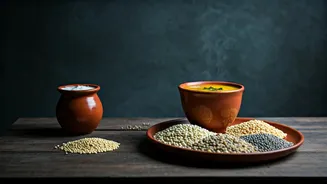
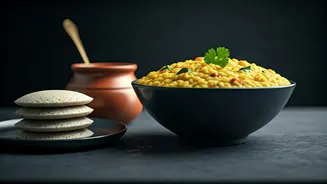
a meal. Today, we call it cultivating a healthy gut microbiome. Foods like yoghurt, kefir, pickles, and idli are packed with probiotics—beneficial bacteria that support digestion, boost immunity, and may even improve mental health. While we now buy expensive probiotic supplements in fancy bottles, our ancestors were getting their daily dose from the humble clay pot of curd sitting in the kitchen.
Harnessing the Power of 'Haldi Doodh'
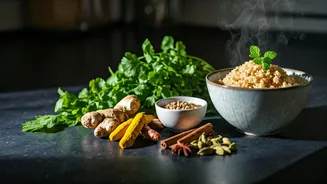
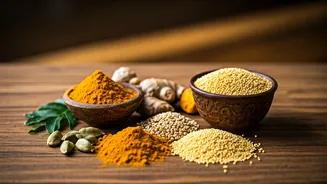
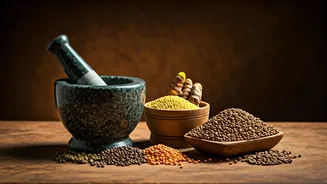
The moment you sneezed or complained of an ache, your grandmother was probably in the kitchen, preparing a warm glass of 'golden milk' or haldi doodh. This wasn't just a comforting old wives' tale; it was potent, traditional medicine. Turmeric contains curcumin, a compound with powerful anti-inflammatory and antioxidant properties. Modern science has extensively studied curcumin for its ability to fight chronic inflammation, which is linked to numerous diseases from heart conditions to arthritis. That simple kitchen spice, used for generations to soothe coughs, colds, and joint pain, is now a superstar ingredient in the global wellness industry, sold as everything from lattes to expensive extracts.
Eating Seasonally and Locally
The concept of 'farm-to-table' might seem like a modern luxury, but for our grandparents, it was just… eating. They ate what the land provided, when it provided it. Mangoes in summer, leafy greens in winter, and gourds during the monsoon. This wasn't a choice driven by a wellness trend but by necessity and availability. However, this way of life has profound health benefits. Seasonal produce is fresher, more nutrient-dense, and has a richer flavour profile because it’s harvested at its peak. It also means the body gets a diverse range of nutrients throughout the year, naturally aligning our diet with the cycles of nature, a concept deeply rooted in Ayurveda.
Syncing with the Sun
Long before anyone tracked their sleep with a smartwatch, our grandparents lived by a simple clock: the sun. They rose with the dawn and went to bed not long after sunset. This lifestyle naturally aligned with their circadian rhythm—the body's internal 24-hour clock that governs sleep-wake cycles, hormone release, and metabolism. Modern life, with its late-night screen time and artificial lighting, has thrown our circadian rhythms into chaos, leading to sleep problems and other health issues. The old wisdom of 'early to bed, early to rise' is now backed by science, which confirms that a consistent sleep schedule aligned with natural light patterns is fundamental for physical and mental well-being.
The Simple Therapy of Walking
There were no high-intensity interval training (HIIT) classes or expensive gym memberships in your grandparents' world. Their fitness was integrated into their daily life. A primary form of this was walking—to the market, to visit neighbours, or simply as a post-dinner stroll. This low-impact, consistent movement is now celebrated by health experts as one of the best forms of exercise. Regular walking improves cardiovascular health, aids in weight management, reduces stress, and strengthens bones and muscles. It's a reminder that you don't need a complicated routine to stay active; consistent, simple movement is often the most sustainable and effective path to fitness.