





A Spot on the World Stage
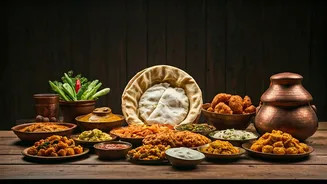
The most significant nod comes from travel guide giant Lonely Planet, which has featured Kerala’s cuisine in its prestigious list of the 25 Best Travel Experiences in the World for 2026. [5, 6, 7] Titled 'Dig in to Kerala's Culinary Culture,' the entry
celebrates the state as a haven for food adventurers and, notably, is the only experience from India to make the cut. [6, 7] The publication lauded the sheer diversity of the state's food, which is rooted in centuries of tradition and an abundance of locally sourced ingredients. [6, 7] This isn't just a win for a few dishes, but a recognition of an entire food ecosystem that has been shaped by geography, history, and a rich cultural tapestry.
Kozhikode: A Culinary Epicentre
Nowhere is this culinary pride more evident than in the city of Kozhikode. Recently, the city made headlines by becoming India's first to be named a UNESCO 'City of Literature'. [3, 11] While a literary award might seem unrelated to food, the city's bid highlighted the deep connection between its vibrant conversational culture, literary traditions, and its food scene, where discussions have flowed over tea and snacks for generations. [10, 19] Bolstering this reputation, Kozhikode's iconic Paragon restaurant has been catapulted to global fame by the food and travel guide Taste Atlas, which ranked it among the world's most legendary restaurants, placing it as high as 11th and even 5th in various lists for its iconic Malabar biryani. [16, 21]
The Secret to the Flavour
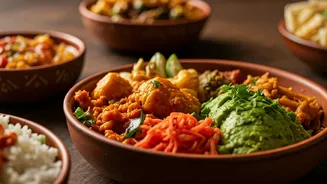
So, what makes Kerala's cuisine worthy of such global acclaim? The answer lies in its history as the 'Spice Coast' of India. For centuries, traders from Arab, Portuguese, and Dutch lands were drawn here for spices like black pepper, cardamom, and turmeric, which remain the backbone of the region's cooking. [6] The geography of the state, with its long coastline and lush inland, provides an abundance of fresh seafood and coconuts. Coconut is a hero ingredient, used in various forms—grated, as milk, or as oil—lending a distinct creaminess and flavour profile to many dishes. [5] This blend of native ingredients and foreign influences has created a cuisine that is complex, layered, and utterly unique.
A Symphony of Tastes
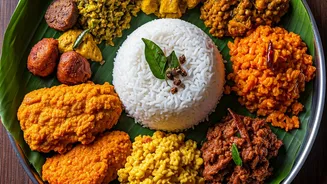
The diversity praised by Lonely Planet is one of Kerala's greatest culinary strengths. [9] The food of the northern Malabar region, with its strong Mappila (Muslim) influence, is known for rich, aromatic, and spicier dishes like the famed Thalassery Biryani. [5] This is the tradition that restaurants like Paragon have perfected. [18] Travel south, and the flavours shift. Here you’ll find milder, coconut-milk based stews, perfectly paired with fluffy, lace-edged rice pancakes called 'appam'. [9] Then there is the quintessential Kerala experience: the Sadya. This elaborate vegetarian banquet, served on a banana leaf, features dozens of dishes that showcase a dazzling array of flavours, from sour and spicy to sweet and savoury, reflecting the state's deep-rooted community dining culture. [5]