


The Two Faces of September Weather
September marks the official withdrawal of the southwest monsoon, but it doesn't happen overnight. The process is gradual and varies significantly across the country. While northern states like Rajasthan and Punjab see a marked decrease in rainfall and humidity,
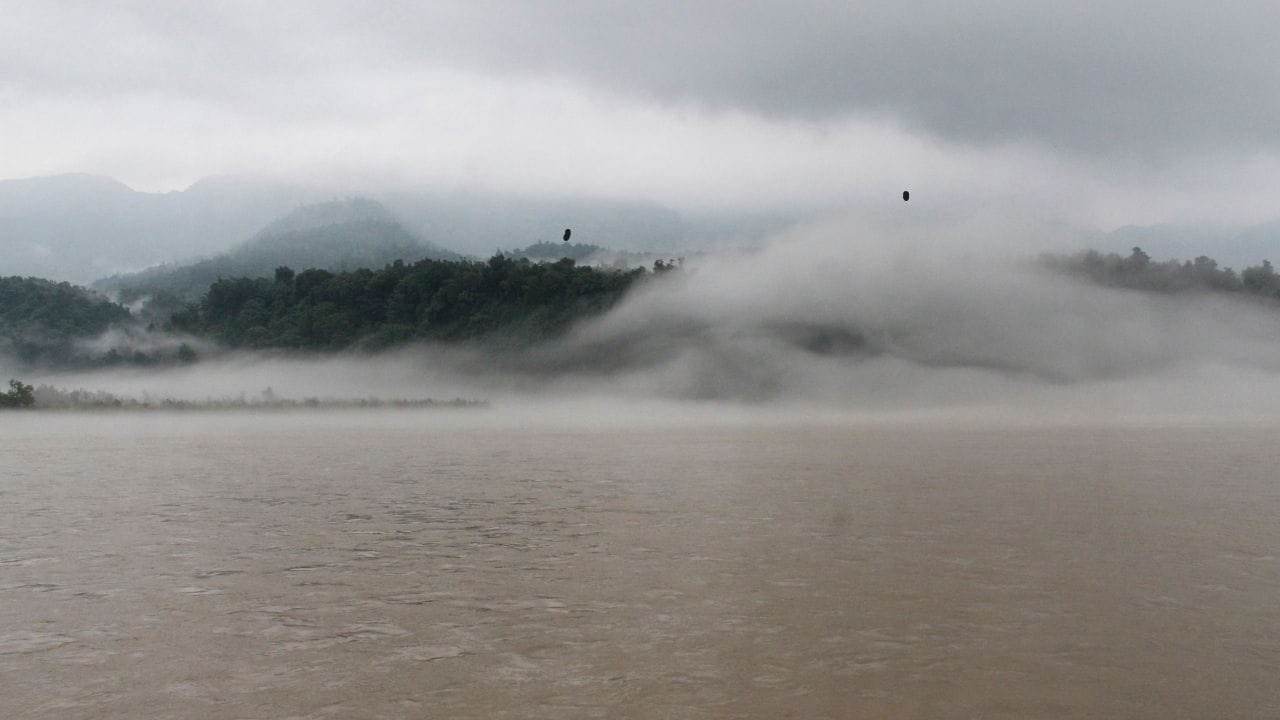
the monsoon is still active in other regions. Northeast India, for example, may continue to receive substantial rain in the first half of the month. Meanwhile, southern states like Kerala and Tamil Nadu are in a unique position; the southwest monsoon is ending, but the northeast monsoon, which affects the southeastern coast, hasn't arrived yet, creating a brief, often pleasant window. This means you could experience clear, sunny skies in Jaipur while a friend gets rained out in Darjeeling. Always check region-specific forecasts, as an early or delayed monsoon withdrawal can dramatically alter conditions.
When Rain Means More Than Getting Wet
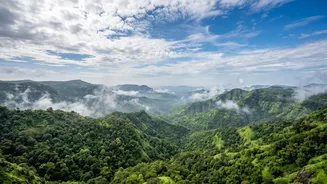
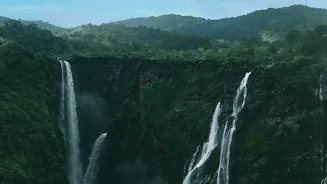
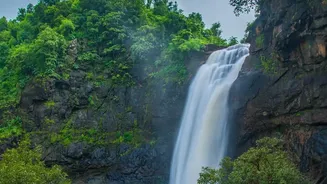
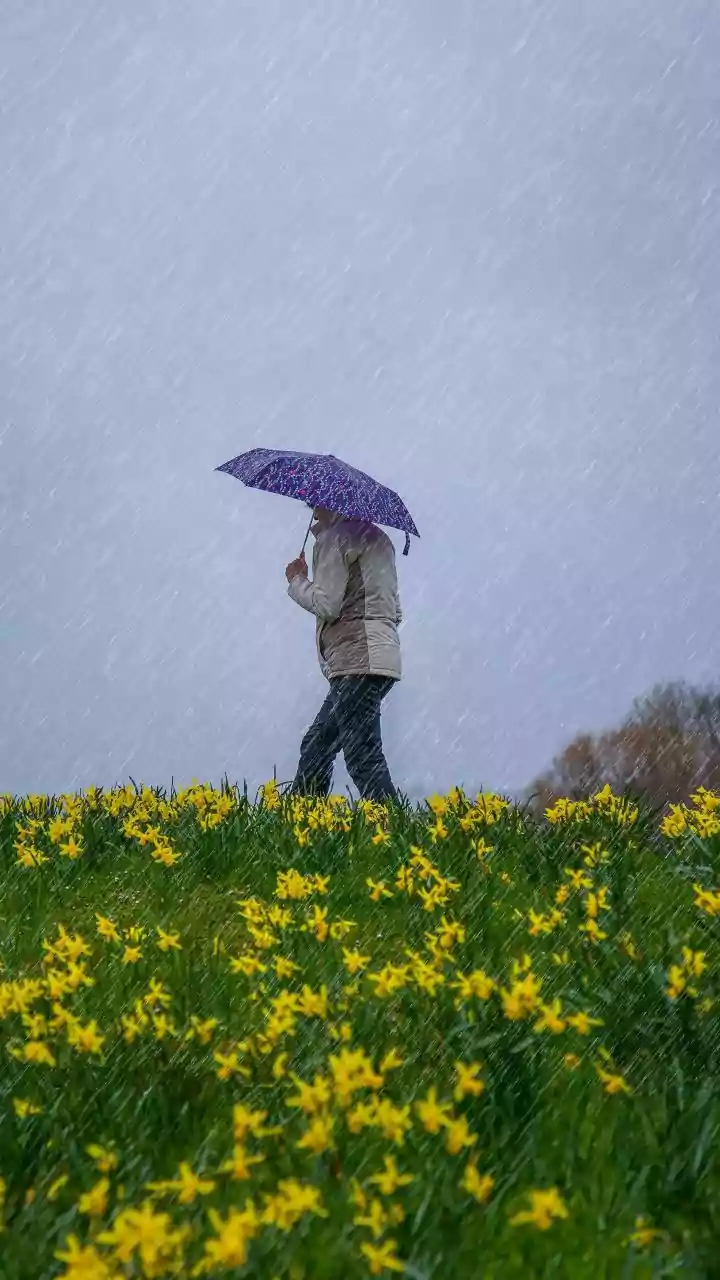
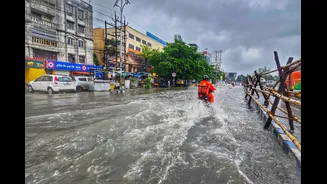
Post-monsoon rain isn't just about carrying an umbrella. In hilly regions like Himachal Pradesh and Uttarakhand, months of downpour saturate the soil, and the risk of landslides and road blockages remains high, even as the rain eases. Roads, particularly high-altitude routes like the one to Baralacha La, can be temporarily closed due to sudden snowfall or unsafe conditions. In cities and plains, waterlogged streets can bring traffic to a standstill and pose hygiene risks. However, the lingering rain also means that waterfalls are at their most spectacular and the countryside is vibrantly green, offering stunning landscapes for those willing to be flexible. Destinations in the Western Ghats like Coorg and Mahabaleshwar are incredibly lush but trails can be slippery and some viewpoints obscured by mist.
Navigating Treacherous Roads and Trails
The single biggest logistical challenge for a September trip is the state of the roads. While major national highways are generally reliable, rural and mountain roads are a different story. The popular Manali-Leh highway, for instance, typically remains open but is susceptible to sudden closures. Local authorities in states like Himachal Pradesh often issue travel advisories, and it's crucial to check these daily before setting out on long drives. It is wise to build buffer days into your itinerary, especially if your plans involve remote areas or high passes. For trekkers, while the post-monsoon air offers crystal-clear mountain views, many trekking organizations advise waiting until the second half of September for conditions to stabilize and for trails to become safer.
Beyond the Weather: Health and Crowds
Local conditions extend beyond just weather and roads. The post-monsoon period is a peak season for mosquito-borne diseases like dengue and malaria, as stagnant water creates ideal breeding grounds. It is essential to use insect repellent, wear protective clothing, and consider antimalarial medication for high-risk areas. Water-borne illnesses are also a greater risk, so sticking to bottled or filtered water is non-negotiable. On the plus side, September is a shoulder season in many popular tourist spots. This often translates to fewer crowds at major attractions like the Taj Mahal and lower prices for flights and hotels. You might also stumble upon unique cultural events, such as the Ziro Festival of Music in Arunachal Pradesh or the beginning of Navratri celebrations in North and West India.
Smart Destinations for a September Trip
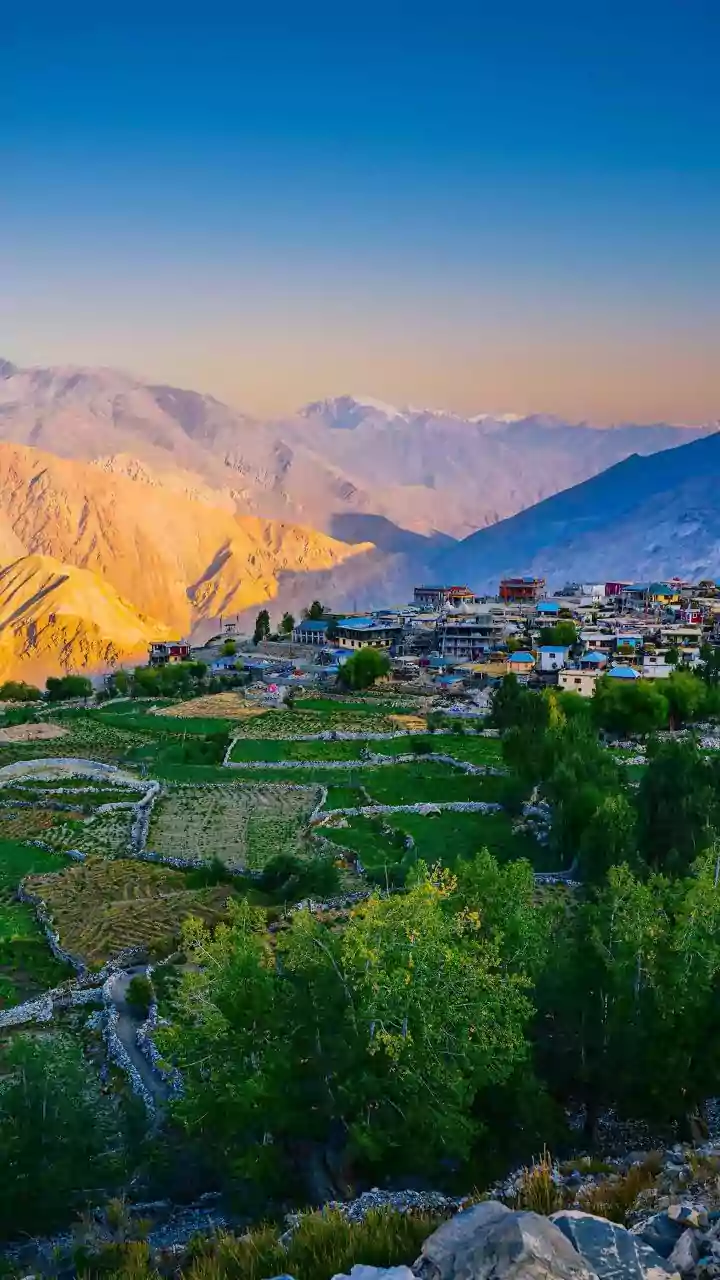
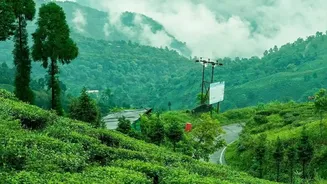
So, where should you go? For relatively dry weather and clear skies, consider Rajasthan. The lakes in cities like Udaipur are full, and the Aravalli hills are green, offering a unique perspective on the desert state. Ladakh and Spiti Valley are also excellent choices, as they lie in a rain-shadow area and see their travel season extend into September. Central India, including destinations like Orchha, can be beautiful with lush landscapes. In the south, Kerala begins to dry out, making it a good time to visit the backwaters with fewer tourists. It's generally best to avoid hill stations in the east, like Darjeeling, which can remain very wet. No matter where you choose, the key is flexibility, thorough research of local conditions just before you travel, and packing for a mix of conditions.