






The Secret ‘Sweet Spot’ of Travel
So, what exactly is the shoulder season? Think of it as the sweet spot in the travel calendar. It’s the period nestled right between a destination's chaotic peak season and its quiet, sometimes dormant, off-season. For many destinations in Europe, this
means the pleasant months of April-May or September-October, just before or after the summer rush. Domestically, it could be Goa right after the monsoon subsides but before the December crowds descend, or the Himalayan foothills when the spring flowers are in bloom but the summer holiday rush hasn't yet started. It’s a time when the weather is often still pleasant, most attractions are open, but the overwhelming tourist hordes have yet to arrive or have already departed.
Meet the New Wave of Flexible Travellers
This trend is being fuelled by a fundamental shift in how Indians work and live. The rise of remote work, freelance careers, and the “workation” culture has untethered a significant portion of the workforce from the rigid confines of office life and traditional leave calendars. These flexible professionals—from techies and creative consultants to entrepreneurs and digital nomads—no longer need to plan their trips around school holidays or major festivals. A 2025 survey highlighted this shift, finding that a third of travellers now prefer working remotely from natural settings. This newfound freedom allows them to travel when others can’t, unlocking the value and peace that the shoulder season offers.
The Irresistible Perks of Off-Peak Adventures
The benefits of shoulder season travel are compelling. First and foremost is the financial saving. With lower demand, airlines and hotels slash their prices, often significantly. According to a 2025 Skyscanner report, over half of Indian travellers are open to shoulder season journeys specifically to avoid surge pricing and find better value. Beyond the budget, the experience itself is vastly improved. Imagine exploring the serene backwaters of Kerala or the majestic ruins of Hampi without jostling for space. With fewer people, you get shorter queues, clearer photos, and a more relaxed atmosphere. It also fosters a more authentic connection with the destination, as locals are often less hurried and more engaging outside the frantic peak period.
Where to Go: Top Shoulder Season Spots
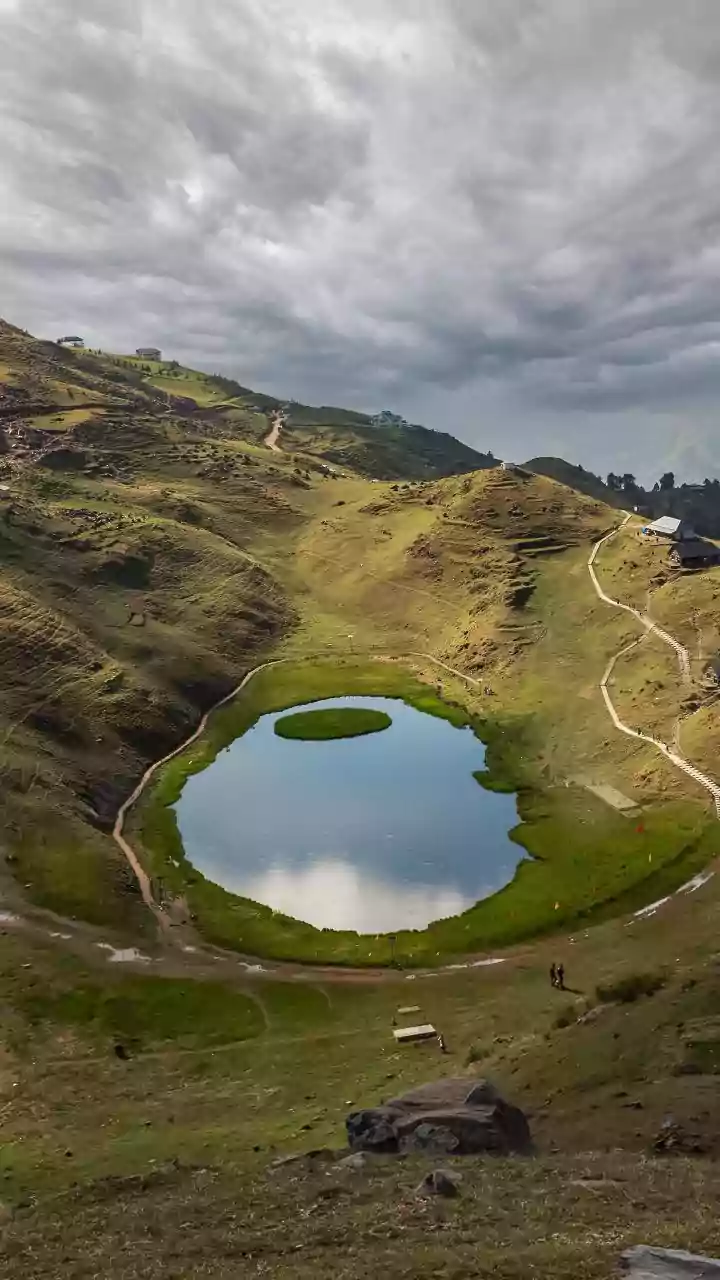
For those looking to try a shoulder season trip, the options are plentiful. In India, consider visiting Rajasthan in March or October, when the desert heat is manageable but the winter crowds have thinned. Goa during September and October offers lush green landscapes post-monsoon and quiet beaches. Hill stations like those in Uttarakhand and Himachal Pradesh are beautiful in the spring (April-May) and autumn (September-October). For international travel, Southeast Asian destinations like Bali and Thailand can be great value during their shoulder months. Similarly, exploring European cities in May or September allows you to enjoy pleasant weather without the peak summer tourist crush.
A Few Things to Keep in Mind
While the advantages are many, shoulder season travel does require a bit of planning. The primary trade-off is often weather, which can be less predictable than during the peak season. You might encounter more rain or cooler temperatures, so packing layers is always a wise strategy. It’s also a good idea to double-check the operating hours for specific attractions, restaurants, or transport services, as some might have slightly reduced schedules compared to the high season. However, for most travellers, these minor inconveniences are a small price to pay for a more affordable, peaceful, and rewarding journey.