




The Siren Song of the Bulk Buy
We've all been there: standing in a brightly lit aisle, mesmerised by a seemingly unbeatable deal. A ten-kilo bag of rice for a price that makes smaller packs look foolish, or a family-sized pack of meat that promises to solve dinner for a week. The price-per-unit
calculation is simple and satisfying. It feels like a smart, responsible choice. Retailers know this and use 'Best Value' and 'Save More' labels to encourage bulk purchases. But this simple metric often hides a more complex reality. The upfront cost may be higher, and without a plan, those savings can quickly evaporate. This initial saving is the hook, but smart shoppers know it's only the beginning of the story.
The Hidden Costs of Storage
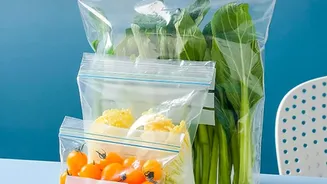
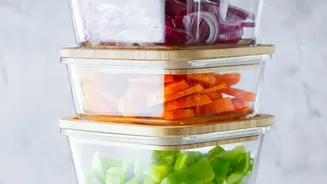
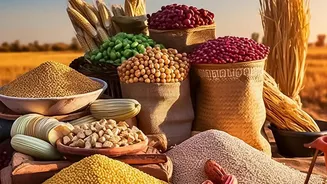
Before you haul that giant bag of atta or a crate of tomatoes home, ask yourself a simple question: where will it all go? Bulk purchases require significant storage space, a luxury many homes and apartments don't have. Squeezing items into inadequate spaces can lead to damage and waste. More importantly, proper storage is crucial for preserving freshness. Dry goods like grains and pulses need airtight containers to protect them from pests and humidity. Perishable items are even more demanding. Buying meat in bulk only saves money if you have enough freezer space, and running a freezer has its own energy costs. Without the right storage, your bulk bargain can quickly turn into a cluttered, expensive problem.
The Question of Usable Quantity
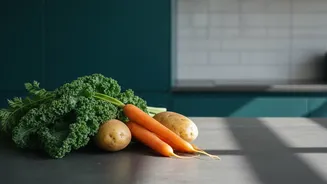
The weight you buy is rarely the weight you use, especially with fresh produce and meats. This concept, known as 'product yield', is something chefs live by, and home cooks should consider it too. For example, a kilo of potatoes loses about 20% of its weight after peeling. That means you're only getting 800 grams of usable potato. Similarly, the weight of whole chicken includes bones, and whole fish includes parts you won't eat. The true cost should be based on the edible portion. If a 2kg whole chicken costs ₹400, but yields 1.4kg of meat, your effective cost isn't ₹200/kg, but closer to ₹285/kg for the usable meat. Factoring in this 'trim loss' gives you a much more accurate picture of the real cost.
The Race Against Spoilage
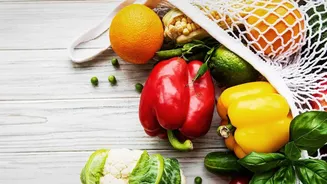
Food waste is a major issue, with estimates suggesting 30-40% of the food supply in some regions is wasted. Buying in bulk can inadvertently contribute to this problem. Those two-for-one deals on salad bags or a large bunch of spinach are only valuable if you consume them before they wilt. Poor planning often leads consumers to buy items that don't fit into their meal plans, leading to spoilage. A household's eating habits and size are critical factors. A large family might easily get through a bulk buy, but for a smaller household, it's a gamble. Being honest about your consumption rate is key. If there's a chance it might end up in the bin, the item was never a bargain, no matter the price.
A Smarter Shopping Framework
Becoming a savvier shopper doesn't mean abandoning bulk buys altogether. It means adopting a more holistic view of value. For non-perishables with a long shelf life that you use frequently—like lentils, rice, or cleaning supplies—buying in bulk is often a clear win. For everything else, take a moment to plan. Check your pantry and fridge before you leave home to avoid buying duplicates. Plan your meals for the week to ensure you only buy what you need. When considering a bulk purchase of a perishable item, have a specific plan for its use or storage, like batch cooking and freezing. By shifting your focus from simply the price per kilo to the total cost of use, you can ensure your shopping habits are truly economical and sustainable.