



Imagine a symphony of textures and tastes: crisp puffed rice, crunchy sev, fresh vegetables, and tangy spices. But the one note that makes Bengali jhalmuri sing is the final, unmissable drizzle of pungent mustard oil. It's the secret soul of the snack.
An Introduction to a Beloved Snack
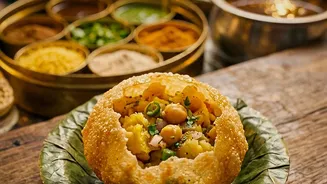
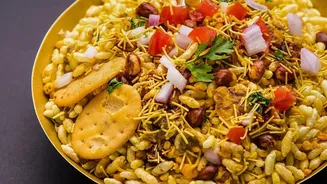
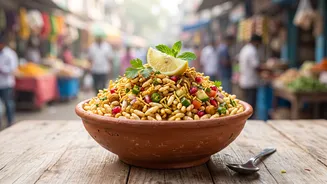
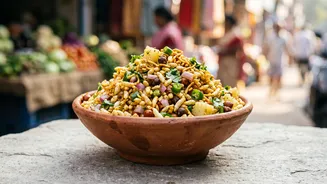
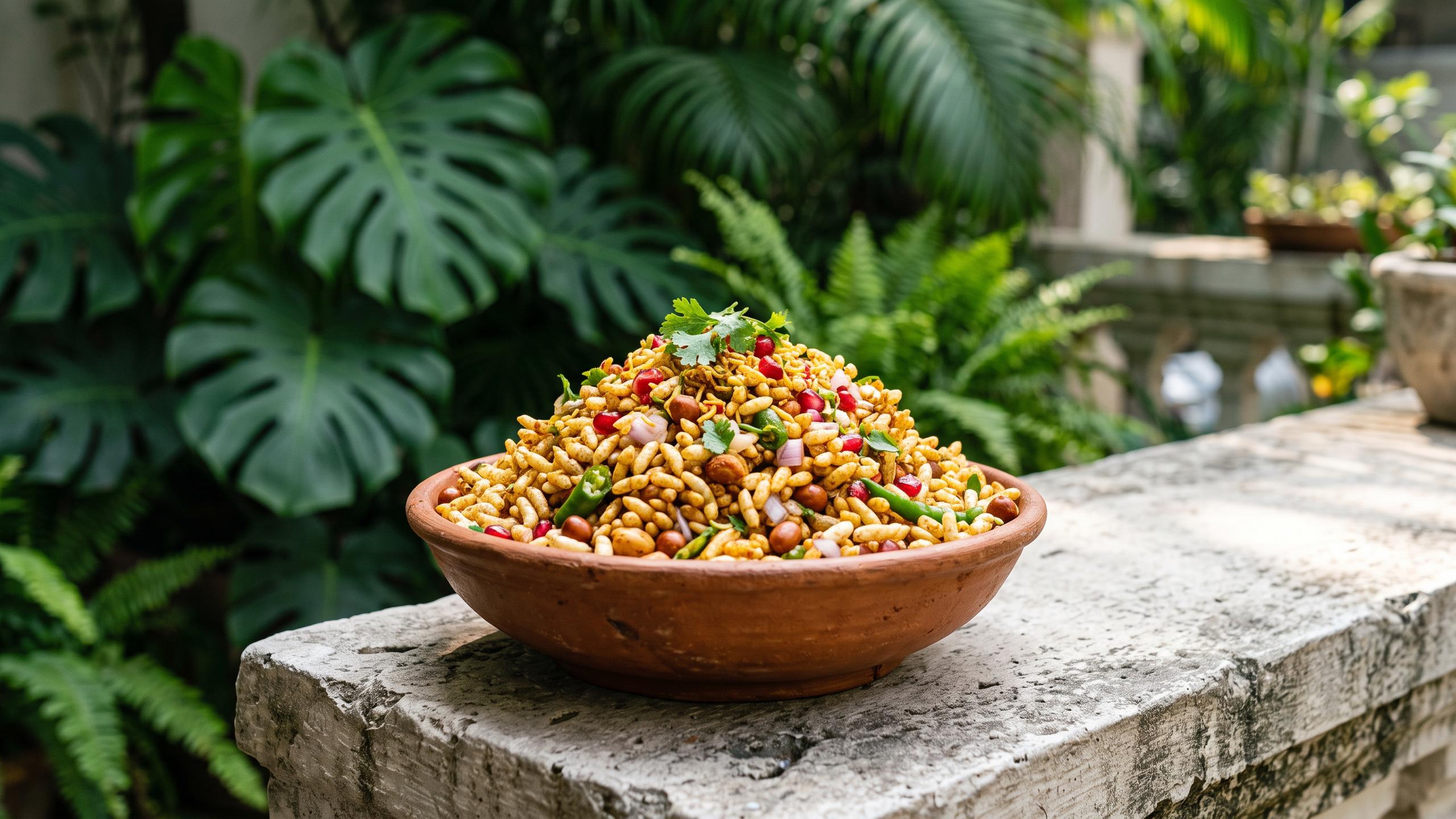
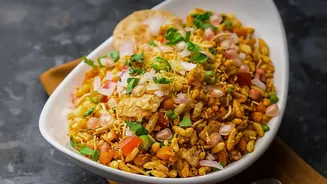
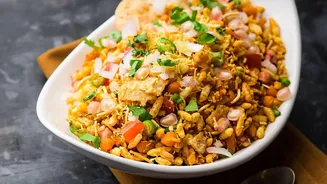
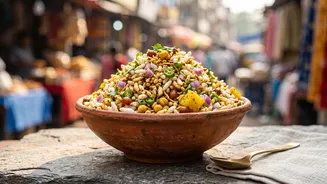
For the uninitiated, jhalmuri is more than just a snack; it's a cultural icon of Bengal. Sold on street corners, in bustling markets, and on crowded trains, it’s a quintessential taste of everyday life. The name itself is a clue: 'jhal' means spicy, and 'muri' means puffed rice. At its core, it's a chaat made from a base of puffed rice tossed with a vibrant assortment of ingredients. Common additions include finely chopped onions, tomatoes, green chillies, and boiled potatoes. It gets its crunch and complexity from chanachur or Bombay mix, roasted peanuts, and fried sev. A squeeze of lime or a hint of tamarind pulp adds a tangy counterpoint to the spice, but the preparation is not complete without its most vital component.
Not Just Any Oil Will Do
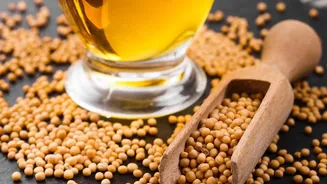
When we talk about mustard oil in the context of Bengali cooking, especially for dishes like jhalmuri, it's not the refined, neutral-tasting version you might find in some supermarkets. The star of the show is 'kacchi ghani', a cold-pressed mustard oil known for its deep golden hue, thick viscosity, and most importantly, its assertive, sinus-clearing pungency. Unlike refined oils that are processed with heat and chemicals, kacchi ghani is extracted by simply crushing the mustard seeds at a low temperature. This minimal processing preserves the natural compounds that give the oil its signature sharp flavour and powerful aroma. Using any other oil would be like trying to make a good cup of filter coffee with instant powder; the essence would be completely lost.
The Science of the Signature Pungency
That characteristic sharp 'kick' or 'jhanjh' that hits the back of your nose when you taste authentic jhalmuri is not just a matter of opinion; it's chemistry. Mustard seeds contain a compound called sinigrin and an enzyme called myrosinase. When the seeds are crushed and mixed with a little water during the cold-pressing process, the enzyme breaks down the sinigrin, releasing allyl isothiocyanate. This is the very same volatile compound responsible for the heat in wasabi and horseradish. This pungent compound does more than just add heat; it awakens the palate, cuts through the richness of the fried components, and elevates the fresh flavours of the vegetables. It’s a flavour that doesn't just sit on the tongue but travels, creating a full sensory experience.
The Unifying Force
Beyond its powerful flavour, mustard oil plays a crucial functional role in the jhalmuri mix. It acts as the binder that brings all the disparate elements together. The dry puffed rice needs a bit of moisture to soften ever so slightly and to help the powdered spices, like chaat masala and red chilli powder, adhere to every surface. The oil slicks the ingredients, ensuring that each spoonful delivers a consistent burst of flavour rather than a dry mouthful of puffed rice followed by a clump of spice. It also prevents the muri from becoming instantly soggy from the moisture of the chopped tomatoes and onions, creating a perfect, transient state of being perfectly coated yet still delightfully crisp. The aroma it releases is the final flourish, a fragrant promise of the sharp, spicy, and tangy delight to come.
A Drizzle of Culture and Nostalgia
Ultimately, the role of mustard oil in jhalmuri transcends its culinary function. For anyone who grew up in or around Bengali culture, that pungent aroma is inextricably linked to memories. It’s the smell of an afterschool treat, a companion on a long train journey, or the taste of a lively adda (a spirited conversation) with friends. The jhalmuriwala (the vendor) mixing the ingredients with lightning speed in a steel canister, before adding that final, generous pour of mustard oil, is a theatrical and comforting sight. The oil is not just an ingredient; it’s a flavour marker that signifies authenticity. It’s the taste of home, a liquid thread connecting generations of Bengalis to one of their most cherished and simple culinary pleasures.