


The Ancient Grains We Almost Forgot
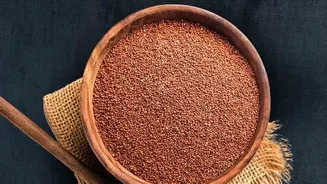
For thousands of years, millets were a cornerstone of the Indian diet. Archaeological evidence shows their cultivation dates back to the Indus Valley Civilization. These hardy, small-seeded grasses like foxtail (priyangava) and barnyard (aanava) were not
just food; they were part of India's cultural fabric, even mentioned in ancient texts like the Yajurveda. However, the Green Revolution in the mid-20th century, with its focus on high-yield rice and wheat, pushed these 'nutri-cereals' to the margins. Cultivation plummeted by nearly 60% in the decades after 1966, and millets were often dismissed as 'coarse grains' fit only for rural consumption. While they vanished from mainstream agriculture and urban plates, they found a sanctuary in the very places that were left behind: the remote, rain-fed farmlands of tribal and rural India.
Guardians by Necessity
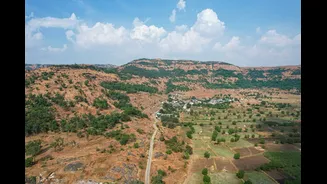
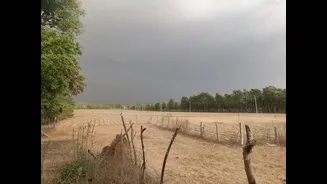
For communities in arid and semi-arid regions, preserving millets was not a matter of choice, but of survival. Unlike water-intensive rice and wheat, millets are climate-resilient marvels. They thrive in poor soil, require minimal water, and can tolerate high temperatures and drought, making them a reliable food source in unpredictable weather. For many tribal farmers in rain-fed areas, these grains were their insurance against crop failure. If one crop failed due to erratic rainfall, another, hardier millet variety would likely survive, ensuring food on the table year-round. This dependence fostered a deep, symbiotic relationship with the land and a profound understanding of which seeds were best suited to local conditions. This wasn't just farming; it was a climate adaptation strategy passed down through generations.
The Kitchen as a Classroom
The preservation of millet biodiversity was overwhelmingly led by women. They were, and still are, the primary seed keepers. After each harvest, women meticulously select the healthiest grains for the next sowing season, a sophisticated knowledge system that ensures the survival of the most resilient and locally adapted varieties. This knowledge is passed down from mother-in-law to daughter-in-law, often through rituals and daily practices. The kitchen became a classroom where girls learned to identify, process, and cook different millets. Traditional methods, such as storing seeds in clay pots with ash or dried neem leaves to repel pests, were perfected and shared. This quiet, consistent labour within households and community seed banks has been the engine of millet conservation.
More Than a Meal
In these communities, millets are deeply woven into the cultural and spiritual tapestry. They are not just a source of nutrition but a symbol of cultural identity. Many festivals, rituals, and community gatherings are centred around millet-based dishes and beverages, reflecting a blend of nutritional wisdom and heritage. For example, some communities have ceremonies where mothers-in-law formally hand over heirloom seeds to their daughters-in-law, reinforcing the sacred duty of preservation. This cultural significance gave the grains a value far beyond their market price, providing a powerful incentive to continue cultivating them even when cash crops seemed more profitable. The loss of a millet variety wasn't just an agricultural loss; it was a cultural one.
A Legacy for the Future
Today, as the world grapples with climate change and food insecurity, the wisdom held in these rural and tribal kitchens is being recognised as invaluable. The vast genetic diversity preserved by these communities provides a crucial resource for developing crops that can withstand a changing planet. Women once seen as subsistence farmers are now hailed as 'Seed Mothers' and 'Millet Queens', the guardians of a genetic treasure chest. Their centuries-long effort has ensured that these ancient grains, rich in nutrients like iron and calcium, are available to address modern malnutrition. The quiet stewardship of countless unnamed farmers has provided a powerful, living solution for a sustainable future.