




Why Is Post-Monsoon Weather So Deceptive?
Even though the temperatures might be lower than in peak summer, the post-monsoon air is often saturated with moisture. This high humidity prevents sweat from evaporating effectively from your skin. Normally, evaporation is your body's primary cooling
mechanism. When it can't happen efficiently, sweat lingers, making you feel sticky and overheated, while your body continues to lose vital fluids and minerals. This can lead to dehydration even when you don't feel exceptionally thirsty, causing fatigue, headaches, and sluggishness. It's a time when simply drinking large amounts of plain water might not be enough to restore balance, as it can flush out essential electrolytes.
The Science of 'Eating Your Water'
The concept of 'eating your water' is simple: supplementing your fluid intake by consuming foods with high water content. Research and nutrition experts suggest that up to 20% of our daily hydration comes from food. The advantage of this method is that the water in produce is structurally bound within the food's fibres. This means your body absorbs it more slowly compared to drinking a glass of water, which can pass through your system quickly. Slower absorption leads to more sustained hydration. Furthermore, these foods are natural powerhouses of electrolytes like potassium and magnesium, which are crucial for fluid balance, muscle function, and nerve signaling—minerals you lose through sweat. Unlike many sports drinks, fruits and vegetables provide these electrolytes along with vitamins, antioxidants, and fibre, offering a more complete nutritional package.
Cucumber: The Ultimate Hydration Hero
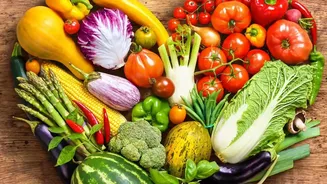
With a water content of about 96%, cucumber is one of the most hydrating foods you can eat. It's essentially solid water, but it also provides small amounts of nutrients, including vitamin K and antioxidants. Its cooling nature makes it a perfect antidote to humid afternoons. Sliced into salads, blended into a raita, or simply eaten with a sprinkle of salt and pepper, cucumbers are an easy and effective way to boost your fluid levels. Their low-calorie profile also makes them a guilt-free snack at any time of day.
Watermelon: A Sweet and Juicy Solution
Living up to its name, watermelon is approximately 92% water and a classic choice for hydration. It’s also an excellent source of lycopene, an antioxidant linked to heart and skin health, as well as electrolytes like potassium. A bowl of chilled watermelon is not just a refreshing treat; it actively helps replenish the fluids and salts your body loses through excessive sweating in the humid climate. While available in summer, its season often extends into the early post-monsoon period in many parts of India, making it a timely choice.
Tomatoes: A Versatile Kitchen Staple
Whether you classify them as a fruit or a vegetable, tomatoes are a hydration superstar with a water content of around 95%. They are also rich in potassium and the powerful antioxidant lycopene. Tomatoes are incredibly versatile and a fixture in Indian cuisine. Enjoying them raw in salads and sandwiches provides the maximum water benefit. Even when cooked into curries, soups, or sauces, they contribute valuable fluid to your daily intake, helping to keep your cells hydrated from within.
Spinach and Leafy Greens: Nutrient-Dense Hydrators
Don't overlook the power of leafy greens. Spinach, for instance, is about 93% water and packed with nutrients. It's an excellent source of iron, magnesium, and vitamin K. Other greens like lettuce are also over 95% water. Adding a generous portion of fresh greens to your meals, either as a simple salad or lightly stir-fried, is a fantastic way to increase both your fluid and nutrient intake. These greens help support overall energy levels, which can often dip during the lethargic, humid days following the monsoon.
Citrus Fruits: The Zesty Hydration Boost
Oranges, sweet limes (mosambi), and grapefruits are not only famous for their vitamin C content but are also comprised of about 87-91% water. The vitamin C is an immune-booster, which is especially helpful during a season known for health niggles. These fruits also contain electrolytes like potassium. A glass of fresh-squeezed juice (with the pulp for added fibre) or simply eating the fruit whole can provide a refreshing burst of energy and hydration, cutting through the heavy feeling of a humid day.