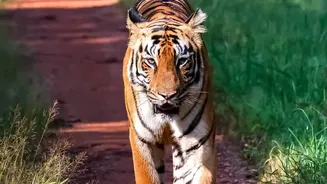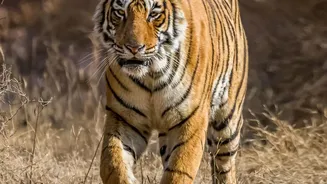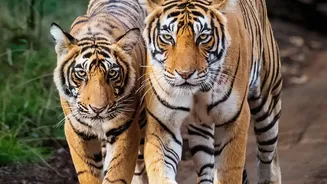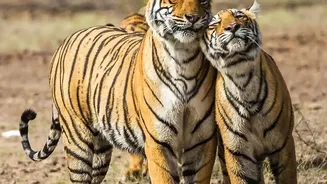





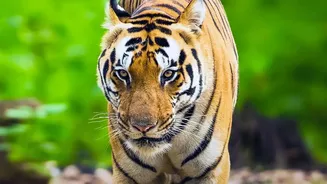
A New Era for Wildlife Tourism
For years, planning a trip to the famed tiger reserves of Madhya Pradesh and Maharashtra felt like a logistical puzzle. It involved booking separate train tickets, finding reliable local transport, and, most challengingly, securing elusive safari permits.
However, recent developments are streamlining this process. The headline might suggest a simple pass, but the reality is even better: a two-pronged upgrade involving massive railway infrastructure enhancements and the introduction of convenient, all-inclusive tour packages. These changes are effectively creating a golden age for wildlife tourism in the heart of India, removing previous barriers for budget-conscious and independent travelers alike.
All-in-One Packages: The Simplest Way In
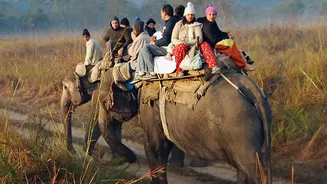
The most significant simplification comes from the Indian Railway Catering and Tourism Corporation (IRCTC). In a landmark move, IRCTC has partnered with state forest departments to offer integrated travel packages. A recent agreement with the Maharashtra Forest Department promises seamless tours to top reserves like Tadoba-Andhari, Pench, and Nagzira. These packages bundle confirmed train tickets, hotel stays, local vehicle transfers, and, crucially, guaranteed safari permits into a single booking. This eliminates the biggest headache for tourists, who often struggle with sold-out safari slots. Similar packages are also available for Madhya Pradesh's star attractions, including Bandhavgarh and Kanha national parks, with some tours offering a nine-day wildlife and heritage experience for a competitive price.
Key Gateways and Improved Connectivity
The backbone of this new accessibility lies in significant upgrades to the railway network. Cities like Nagpur and Jabalpur serve as the primary gateways to tiger country. Nagpur provides access to Pench, Tadoba, and Nagzira, while Jabalpur is the hub for reaching Kanha and Bandhavgarh. Recent infrastructure projects, such as the doubling of the Gondia-Jabalpur railway line, are specifically designed to improve connectivity to these wildlife destinations. This means more reliable and potentially faster train services for travelers. Furthermore, new train services, like the Raipur-Jabalpur Express, are continually being added, further strengthening the rail links that feed into these critical tourist circuits and making the journey to the jungle's edge smoother than before.
What a Budget Trip Looks Like
So, what does a budget-friendly rail tour entail? Take, for example, IRCTC's recently promoted Madhya Pradesh Wildlife and Heritage tour. With prices starting around ₹33,700 per person, the nine-day package covers train travel, accommodation, road transport in AC vehicles, and select meals. Itineraries are designed to maximize wildlife viewing opportunities while also including cultural sites. For Maharashtra, new curated itineraries are being rolled out that combine rail travel with guaranteed access to safaris, specifically targeting families and wildlife enthusiasts. While this isn't a hop-on, hop-off 'pass', it represents incredible value by bundling the most expensive and difficult-to-organise components of a safari trip into one transparent price, making a once-aspirational holiday a tangible option for many more people.
The Long-Term Vision
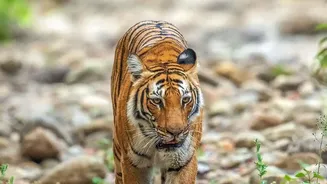
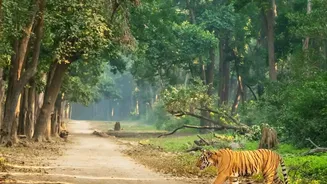
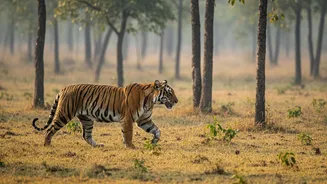
These upgrades are not a temporary promotion but part of a long-term strategic vision under the PM-Gati Shakti National Master Plan. Major projects, including the addition of new lines on the busy Itarsi-Nagpur route, are underway and expected to be completed around 2030. These expansions are consciously planned to boost tourism by making destinations like Satpura National Park, Pench, and Kanha easier to reach. The government's focus on enhancing this infrastructure ensures that the trend towards better, more integrated, and accessible wildlife tourism will continue to grow, solidifying Central India's reputation as one of the world's best—and most accessible—places to see tigers in their natural habitat.