
Choose Hardy, Low-Maintenance Plants
The foundation of a successful indoor garden in a small home is selecting plants that are forgiving and well-suited to indoor conditions. Many Indian homes, especially apartments, have corners that don't receive bright, direct sunlight. For beginners,
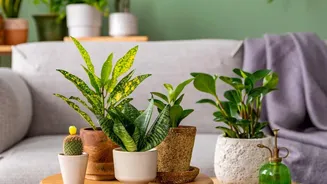
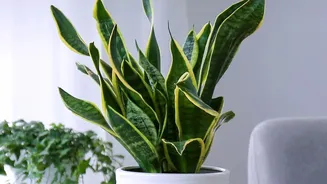
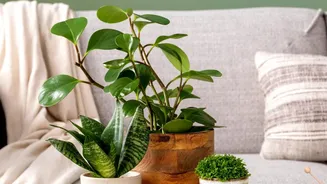
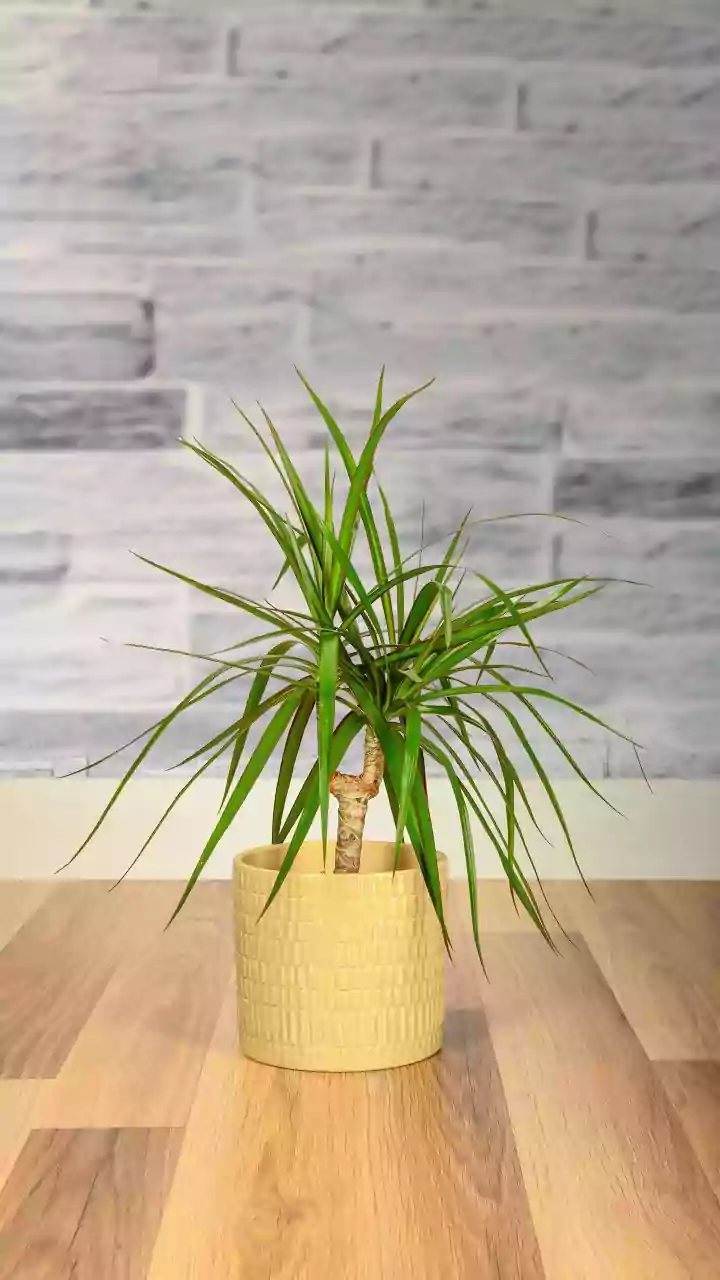
it's best to start with hardy varieties known for their resilience. The Snake Plant, with its vertical, sword-like leaves, is an excellent choice as it takes up minimal floor space and tolerates low light. Another great option is the ZZ Plant (Zamioculcas zamiifolia), which is known for its glossy leaves and ability to thrive on neglect and infrequent watering. The ubiquitous Money Plant (Pothos) is also a perfect fit; it's adaptable to various light conditions and can be grown in soil or just water. These plants not only survive but often thrive with minimal fuss, making them ideal companions for a busy lifestyle.
Think Vertically to Maximise Space
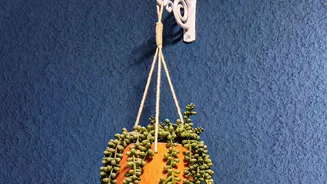
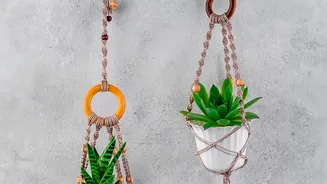
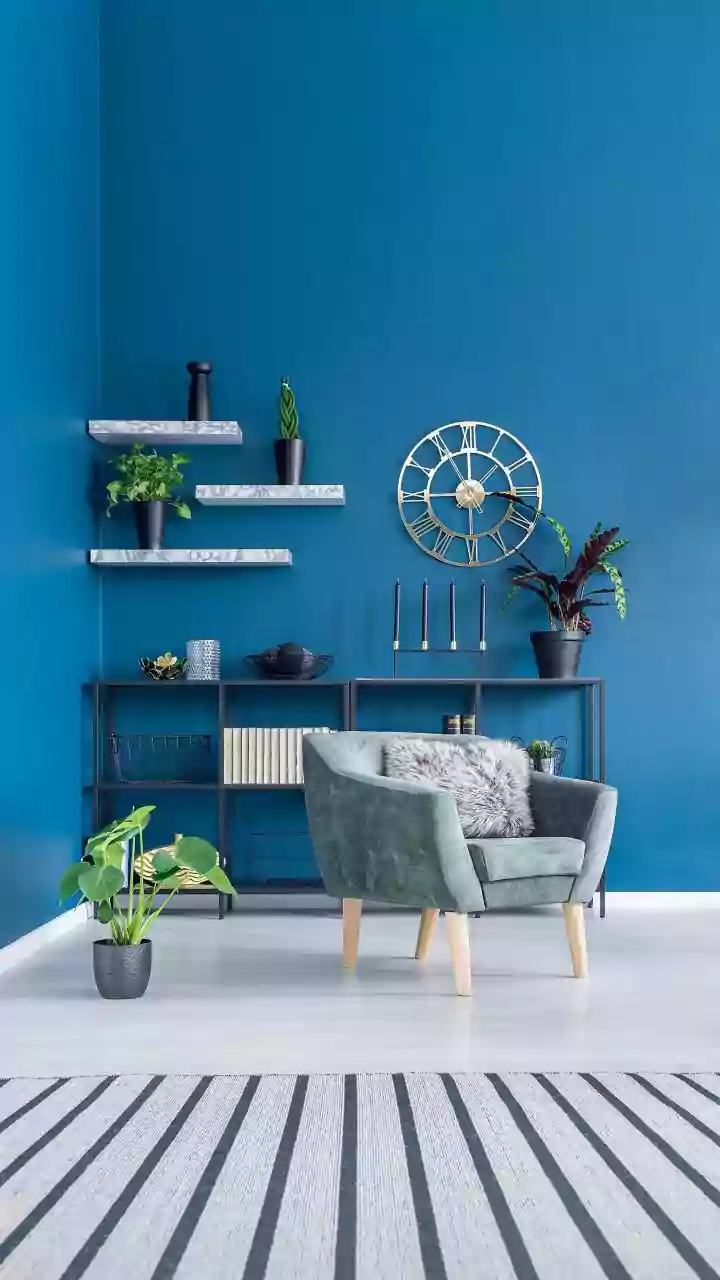
When floor space is a premium, the only way to go is up. Vertical gardening is a stylish and practical solution for compact rooms. Instead of cluttering floors and tables, use your walls and vertical spaces. Trailing plants like Pothos (Money Plant) and Spider Plants look beautiful cascading from hanging baskets or from the top of a bookshelf. You can install floating shelves to create a multi-level display of smaller pots. Wall-mounted planters or a trellis can turn a plain wall into a living work of art, supporting climbing plants and adding a lush, green feature without sacrificing a single square foot of living area. Even a simple ladder-style plant stand can hold multiple pots in a small footprint, adding height and dimension to your decor.
Master the Basics of Plant Care
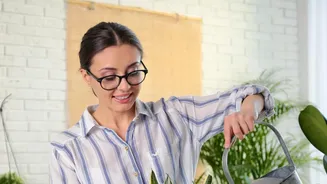
Caring for indoor plants isn't complicated once you understand the three basics: water, light, and soil. Overwatering is the most common mistake beginners make. A simple rule of thumb is to check the soil before watering; stick your finger about an inch deep, and if it feels dry, it's time to water. Most low-maintenance plants like the Snake Plant and ZZ Plant prefer their soil to dry out completely between waterings. Understanding your home's light is also crucial. Observe which areas get bright, indirect light versus those that are in low light, and place your plants accordingly. Most popular indoor plants thrive in bright, indirect sunlight rather than harsh, direct rays which can scorch their leaves. Finally, ensure your pots have drainage holes to prevent water from pooling at the bottom, which can lead to root rot.
Select the Right Pots and Planters
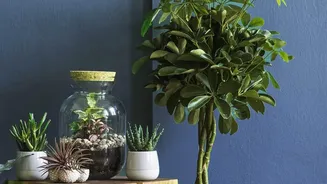
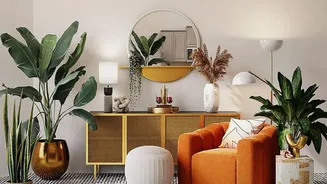
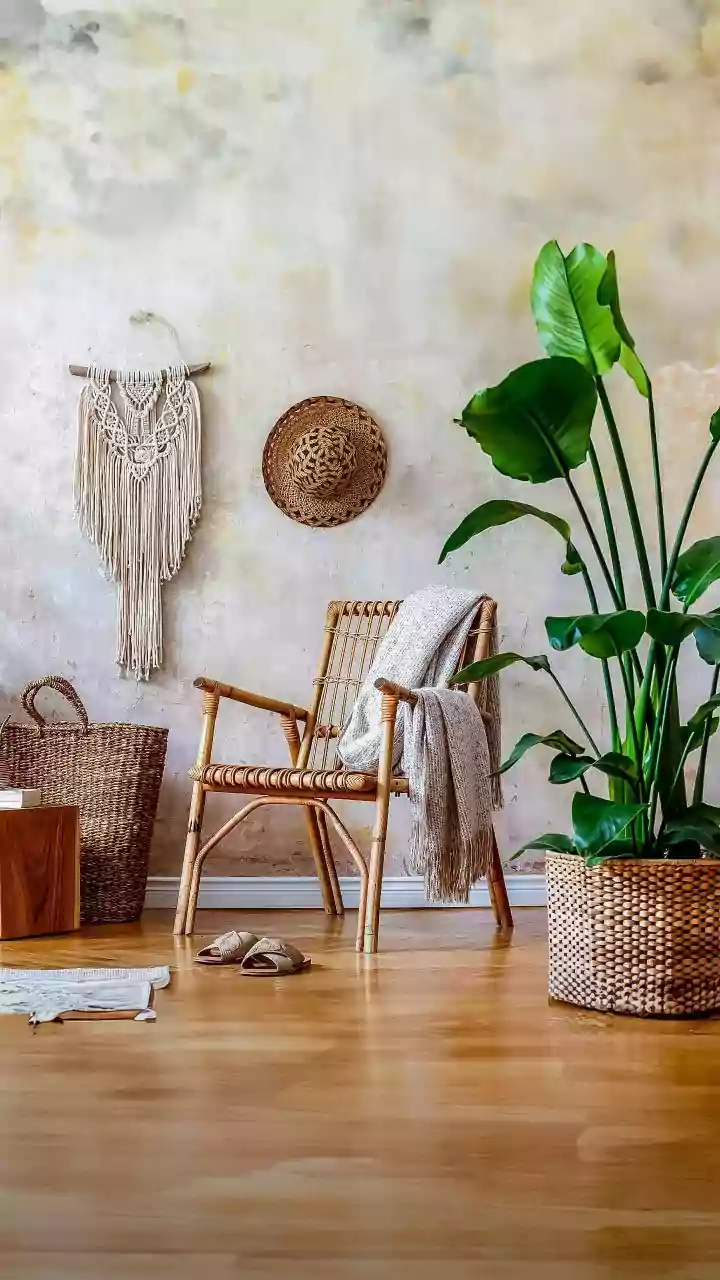
The container you choose is both a functional and decorative element. For small spaces, it's important to choose pots that are proportionate to the plant and the room. Using a few larger statement plants can often feel less cluttered than having many tiny pots scattered around. However, grouping a few small plants, like succulents, on a windowsill or side table can also create a beautiful, contained display. Consider planters that enhance your decor. Terracotta pots offer a classic, earthy feel, while ceramic planters come in endless colours and styles to match your room's aesthetic. For trailing plants, hanging planters are a must. When repotting, choose a new pot that is only slightly larger than the current one, typically 1-2 inches wider in diameter, to avoid overwhelming the plant with too much soil and moisture.