

1. Embrace New Cooking Methods
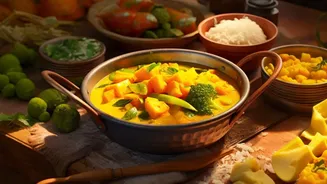
The simplest way to cut down on oil is to move beyond the frying pan. Methods like steaming, baking, and air frying use a fraction of the oil but deliver outstanding results. Steaming, in particular, is excellent for preserving the nutrients in vegetables
like broccoli and spinach. For your favourite snacks, an air fryer can be a game-changer. You can make crispy samosas, aloo tikkis, and even moong dal vadas with just a light brush of oil. The result is the crunch you love without the excess grease. Think of it as an opportunity to rediscover your oven or invest in an air fryer to make lighter versions of festive and everyday treats.
2. Master a Lighter Tadka
The sizzle of a tadka, or tempering, is the aromatic heart of many Indian dishes. Traditionally, this involves blooming spices in hot oil or ghee. However, you don't need a ladleful to achieve that flavour. Using good quality, heavy-bottomed or non-stick cookware allows you to get the same result with as little as a single teaspoon of oil. Another technique is to dry-roast whole spices like cumin and coriander seeds in a hot pan first to release their essential oils before adding them to your dish. For gravies, you can also create a tadka by sizzling spices in a few tablespoons of hot water or vegetable broth, a method known as water-sautéing, which provides flavour without any fat.
3. Swap Oil for Creamy Alternatives
Rich, thick gravies don't always need to get their texture from oil. There are many healthier, low-oil alternatives that can add body and flavour. Blended onion and tomato puree, for example, creates a luscious base for curries like paneer butter masala with minimal oil. For creaminess, turn to low-fat Greek yogurt or curd. When whisked and added carefully over low heat to prevent curdling, it adds a delightful tang and richness. Pastes made from soaked cashews, almonds, or even poppy seeds can also be used to thicken sauces and provide healthy fats, giving your dishes a luxurious finish.
4. Invest in the Right Cookware
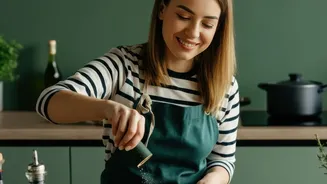
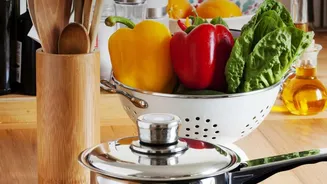
The tools you use can dramatically reduce your need for oil. A high-quality non-stick pan is essential, as it prevents food from sticking and allows you to sauté onions, tomatoes, and spices with just a tiny amount of oil. A well-seasoned cast-iron pan also develops a naturally non-stick surface over time. For items like cheelas or dosas, you only need to wipe the surface with an oiled paper towel. Another smart tool is an oil mister or spray bottle. Instead of pouring oil directly from the bottle, a spray gives you a fine, even coating across your pan or over vegetables for roasting, using significantly less oil overall.
5. Use Water and Broth Strategically
A common habit in the kitchen is to add more oil the moment masalas start sticking to the pan. A better, healthier trick is to deglaze the pan with a splash of water or vegetable stock. This not only prevents burning but also lifts all the flavourful browned bits from the bottom of the pan, incorporating them back into your gravy. This technique is perfect for cooking down onions for a curry base or for making dry sabzis. For many dals, you can adopt a one-pot method where all ingredients are pressure-cooked together without any initial sautéing, and you can add a flavourful, low-oil tadka at the end.