




The Old Model: Wellness as Work
For years, the wellness travel industry was dominated by a 'no pain, no gain' philosophy. The most sought-after trips were often the most grueling: high-intensity fitness camps, strict detoxification programs, and packed itineraries designed to overhaul
your life in a week. The goal wasn't just to relax; it was to return home 'better'—fitter, thinner, and more disciplined. This approach treated the body like a project to be optimized, turning vacation into another form of work. Travelers would come back with bragging rights about their punishing schedules, but many also returned feeling just as depleted as when they left, needing a vacation from their vacation.
The Rise of the Sleep Retreat
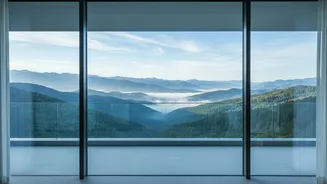
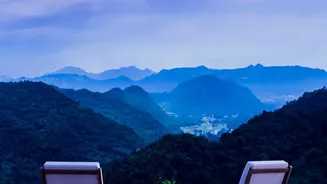
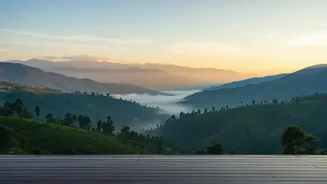
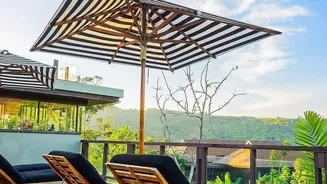
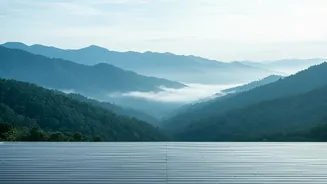
In stark contrast, a new trend known as sleep tourism is emerging as a powerful antidote. Instead of maximizing activity, these trips maximize rest. Sleep retreats, often held in serene, natural locations like mountain getaways or quiet coastal properties, are designed entirely around improving sleep quality. The itinerary might include guided meditations, gentle yoga, sound baths, and workshops on circadian rhythms. Technology is discouraged, with a focus on unplugging to allow the nervous system to reset. Hotels are responding with features like AI-enhanced beds, blackout curtains, personalized pillow menus, and even dedicated sleep coaches to help guests relearn the art of deep rest.
A Response to Collective Burnout
So, why the sudden shift from intensity to inactivity? The answer lies in our collective state of exhaustion. Years of hustle culture, constant digital connectivity, and the lingering stress of a global pandemic have left millions feeling burned out. Experts note that chronic stress keeps the body in a permanent state of high alert, which traditional vacations often fail to fix. A trip packed with activities can feel like just another series of demands. People are realizing that what they truly need isn't more stimulation, but a genuine escape from it. The desire to travel simply to rest and recharge has become a leading motivation for booking a trip.
From Optimization to Restoration
This trend signals a deeper evolution in our understanding of wellness. The pursuit of optimization—hacking our bodies for peak performance—is giving way to a gentler, more profound need for restoration. Being well-rested is becoming the new status symbol, replacing the badge of honor once awarded for being busy. Sleep tourism recognizes that rest is not a luxury or a sign of laziness; it is a biological necessity critical for mental clarity, emotional regulation, and physical health. These retreats aren't just about catching up on sleep; they aim to provide guests with the tools and insights to build healthier sleep habits long after they've returned home. It's a move away from performative wellness toward authentic self-care, where the ultimate goal is not to do more, but to simply be.