






Understanding the Post-Carb Crash
This phenomenon, often called postprandial somnolence or a "food coma," is a direct result of how your body processes carbohydrates. When you consume carbs, particularly refined ones like white bread, pasta, and sugary foods, they are quickly broken down
into glucose (sugar) and enter your bloodstream. This causes a rapid spike in your blood sugar. In response, your pancreas releases insulin, a hormone tasked with moving that glucose from your blood into your cells for energy. The problem is, a sharp rise in glucose often triggers an overcorrection—a large release of insulin that causes your blood sugar to drop just as quickly as it rose. This rapid fall is what leads to the familiar feelings of lethargy, brain fog, and even cravings for more sugary snacks.
The Solution: It’s All in the Order
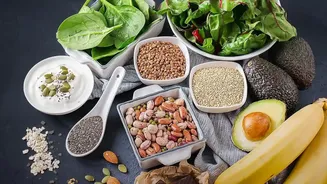
The good news is that you can significantly lessen, or even prevent, this energy rollercoaster without drastically changing what you eat. The secret lies in a simple, science-backed technique called food sequencing. The principle is straightforward: eat your food groups in a specific order to slow down the absorption of glucose. Studies have shown that this simple shift can reduce post-meal glucose spikes by a significant margin. The ideal order is fibre first, protein and fats second, and carbohydrates last.
The Science of Sequencing
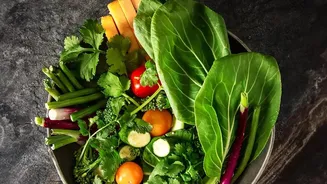
So, how does this work? Starting your meal with fibre-rich vegetables creates a sort of mesh-like barrier in your digestive tract. This fibre slows down the digestion and absorption of the foods you eat afterward. When you then consume protein and fats, they further slow gastric emptying and stimulate the release of hormones that promote satiety. By the time you get to the carbohydrates, your digestive system is primed to process them much more slowly. Instead of a sudden flood of sugar into your bloodstream, you get a slower, more gradual release. This leads to a smaller, gentler rise in blood sugar and a much lower insulin response, effectively preventing the subsequent crash and keeping your energy levels stable.
Putting It Into Practice
Applying food sequencing to your daily meals is easier than it sounds. You don't need to prepare separate courses or wait long intervals between food groups. A 10-minute head start on your veggies and protein is often enough. Here are some practical ways to incorporate it:
- At a restaurant: Start with a side salad or a serving of non-starchy vegetables like broccoli or green beans before your main carbohydrate source arrives.
- With a home-cooked meal: If you're having dal, rice, and a vegetable stir-fry, eat the vegetables and a portion of the dal first before moving on to the rice.
- For a sandwich or wrap: Deconstruct it. Eat the fillings—like grilled chicken, lettuce, and tomatoes—with a fork first, and then eat the bread or wrap.
- Making it a habit: The key is consistency. Aim to start every meal with a vegetable component. Think of it as an appetizer for your main meal. Even a handful of raw carrots or cucumber slices before you dig into your pasta can make a difference.