






The Private Race to Dominate the Cosmos
The competition in the private space sector is fiercer than ever, with major players making significant strides in 2026. Blue Origin's New Glenn, a heavy-lift reusable rocket, is hitting its stride with multiple launches this year, including a mission
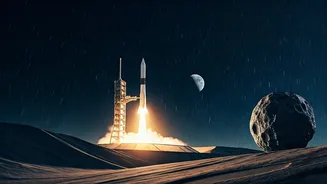
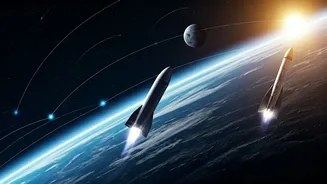
in April that carried a satellite for AST SpaceMobile's direct-to-smartphone broadband network. [1, 2] This move signals a new era where massive, reusable rockets become workhorses for building new infrastructure in orbit. Meanwhile, SpaceX continues to push the boundaries with its Starship program. The company has set an ambitious goal of sending uncrewed Starship vehicles to Mars during the 2026 launch window, a prospect Elon Musk has described as having a '50/50 chance'. [14] Achieving this would be a monumental step toward the long-term vision of a self-sustaining civilization on another planet. [14] These efforts from private companies are not just about launches; they're about creating the foundational technology for a future lunar and Martian economy. [3, 23]
A Global Push to Explore the Moon
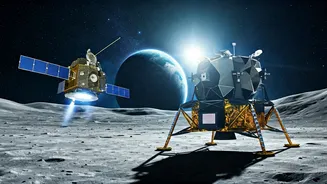
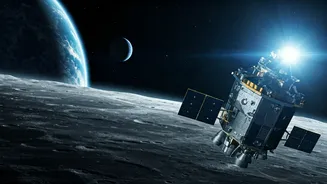
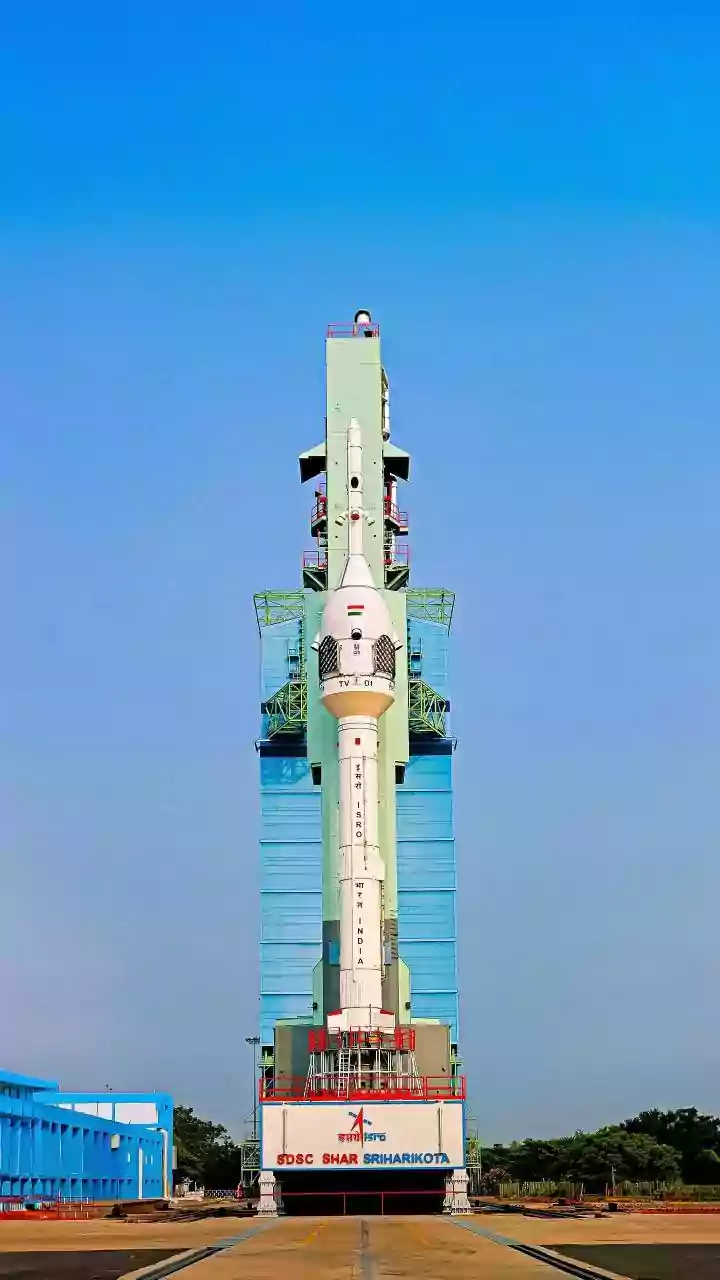
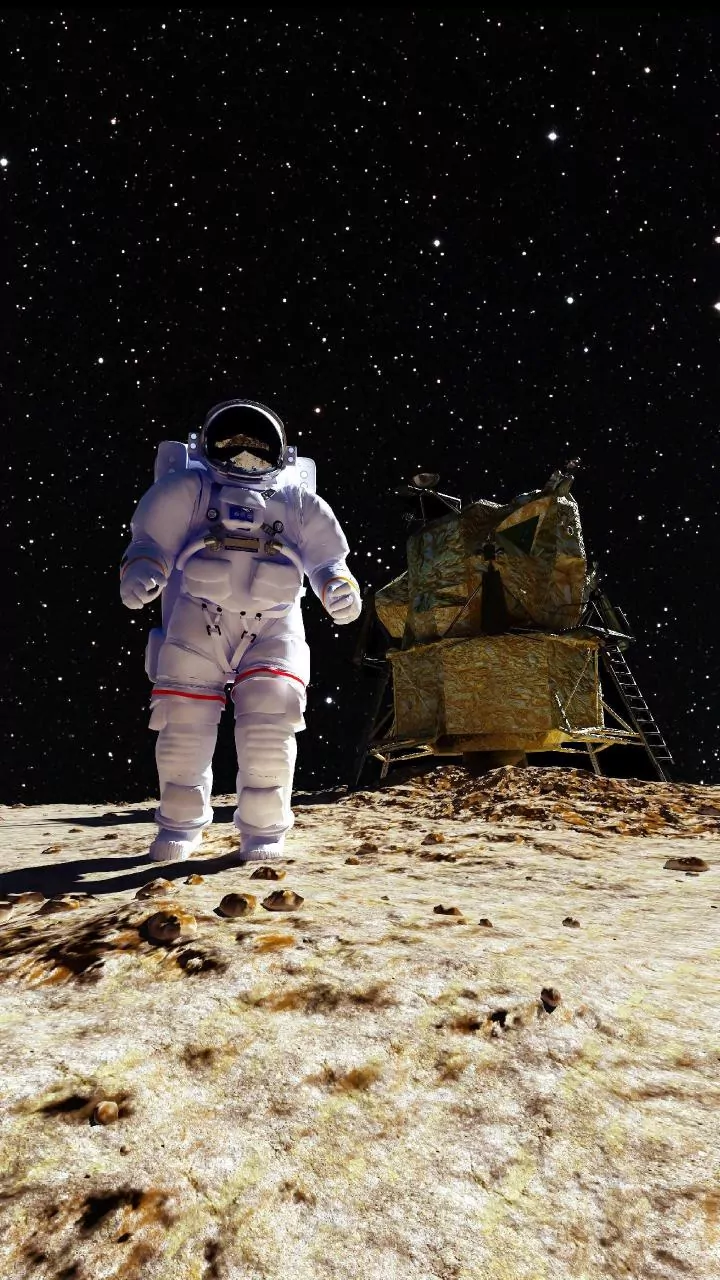
While the original Artemis III mission to land humans on the Moon has been rescheduled to 2028 as Artemis IV, 2026 remains a crucial year for lunar exploration. [6, 10, 22] NASA's Artemis II mission, which sent astronauts on a flyby around the Moon in April 2026, has paved the way for more complex operations. [4] This year, a host of robotic missions are heading to our nearest celestial neighbour. China's Chang'e 7 mission is slated to launch for the lunar south pole to search for water ice in the region's permanently shadowed craters. [2, 8] This resource is seen as critical for future long-term human outposts. [2] Private companies are also heavily involved, with NASA partnering with firms like Intuitive Machines and Firefly Aerospace for robotic landings on both the near and far sides of the Moon. [4] India, following its historic Chandrayaan-3 landing, continues its lunar ambitions with the planned Lunar Polar Exploration Mission (LUPEX) in partnership with Japan. [12, 16]
Venturing to Distant and Mysterious Worlds
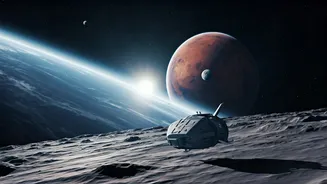
Beyond the Moon, 2026 sees humanity reaching out to some of the solar system's most intriguing and enigmatic destinations. In November, Japan's Martian Moons eXploration (MMX) mission is set to launch, aiming to land on Mars's moon Phobos and return a sample to Earth. [2] This daring mission could finally solve the mystery of how Mars's tiny moons were formed. [2] The joint European-Japanese BepiColombo mission is also scheduled to finally enter orbit around Mercury in late 2026 after an eight-year journey, promising to double our knowledge of the solar system's innermost planet. [2, 8] Another key arrival is the European Space Agency's Hera mission, which will reach the Didymos asteroid system to study the aftermath of NASA's DART impact, a crucial step in developing planetary defence strategies. [2, 4]
The Search for Life Heats Up
Perhaps most profoundly, 2026 marks a key milestone for one of the most anticipated missions in decades: NASA's Europa Clipper. Although it launched in 2024, the spacecraft will perform a critical Earth gravity assist in December 2026, slinging it on its final path toward Jupiter. [5, 20, 26] The probe is headed for Jupiter's icy moon, Europa, which is believed to harbour a vast liquid water ocean beneath its frozen shell. [28] Arriving at Jupiter in 2030, Clipper will perform dozens of flybys to investigate whether this hidden ocean has the conditions necessary to support life. [5, 9, 28] It won't be looking for microorganisms directly but will analyse the moon's surface chemistry for clues about the ocean's composition and habitability. [28] This mission represents humanity's most advanced effort yet to find out if we are alone in the solar system.