


The Modern Professional's Dilemma
In today's fast-paced world, the gap between finishing work and having dinner on the table can feel like a marathon. Long hours, commuting, and constant connectivity leave little energy for elaborate meal preparations. This often leads to a compromise:
settling for greasy takeaways or processed ready-meals that are high in salt and low in nutrition. Yet, the desire for a wholesome, home-cooked meal remains strong. Professionals are increasingly aware of their health but are constrained by time, creating a daily conflict between what they want to eat and what they have the energy to cook. This is the precise problem that the one-pot meal trend is solving with delicious efficiency.
Why One-Pot Cooking Is the Answer
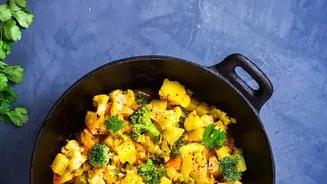
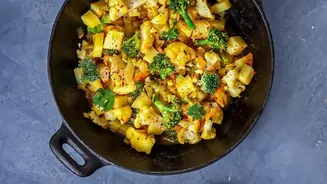
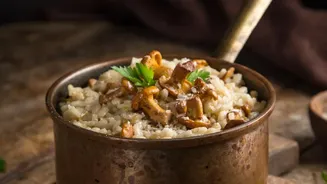
The beauty of a one-pot meal lies in its elegant simplicity. It’s a complete meal where protein, carbohydrates, and vegetables are all cooked together in a single vessel, be it a pressure cooker, a kadai, or a Dutch oven. This method drastically cuts down on the most dreaded part of cooking: the cleanup. With fewer dishes to wash, you save both time and effort, making the entire process less daunting after a long day. Furthermore, cooking all ingredients together allows their flavours to meld and deepen, creating a dish that is often more flavourful than its separately cooked counterparts. The pasta absorbs the sauce, the rice soaks up the spices, and the vegetables lend their essence to the entire dish, resulting in a rich, layered taste experience with minimal fuss.
A Boost for Your Health and Wallet
Beyond convenience, one-pot meals offer significant health benefits. Cooking at home gives you complete control over every ingredient, from the amount of oil and salt to the freshness of the produce. This method is an excellent way to increase your vegetable intake, as you can easily toss in a variety of greens, beans, and roots. Because the cooking liquid is retained as part of the meal, you also preserve more vitamins and minerals that might otherwise be lost. It also aids in natural portion control. Financially, it’s a smarter choice. Cooking in batches and using leftovers for the next day’s lunch is far more economical than ordering food or preparing every single meal from scratch.
Not Just Khichdi Anymore
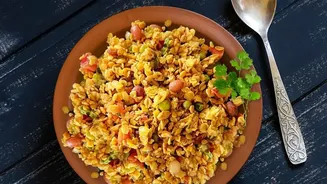
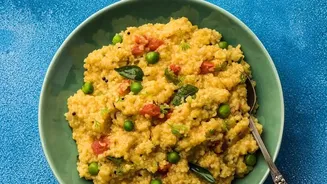
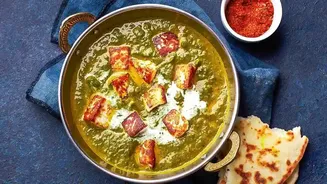
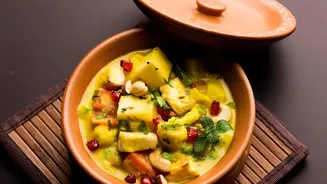
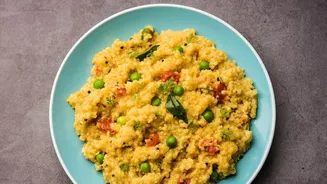
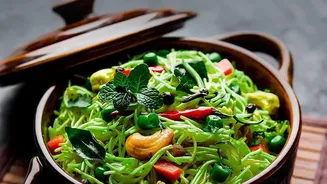
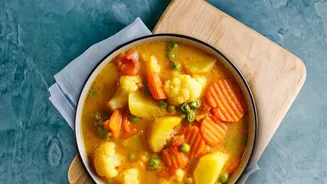
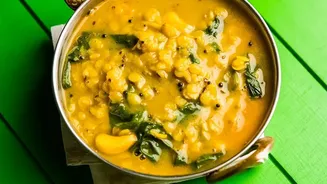
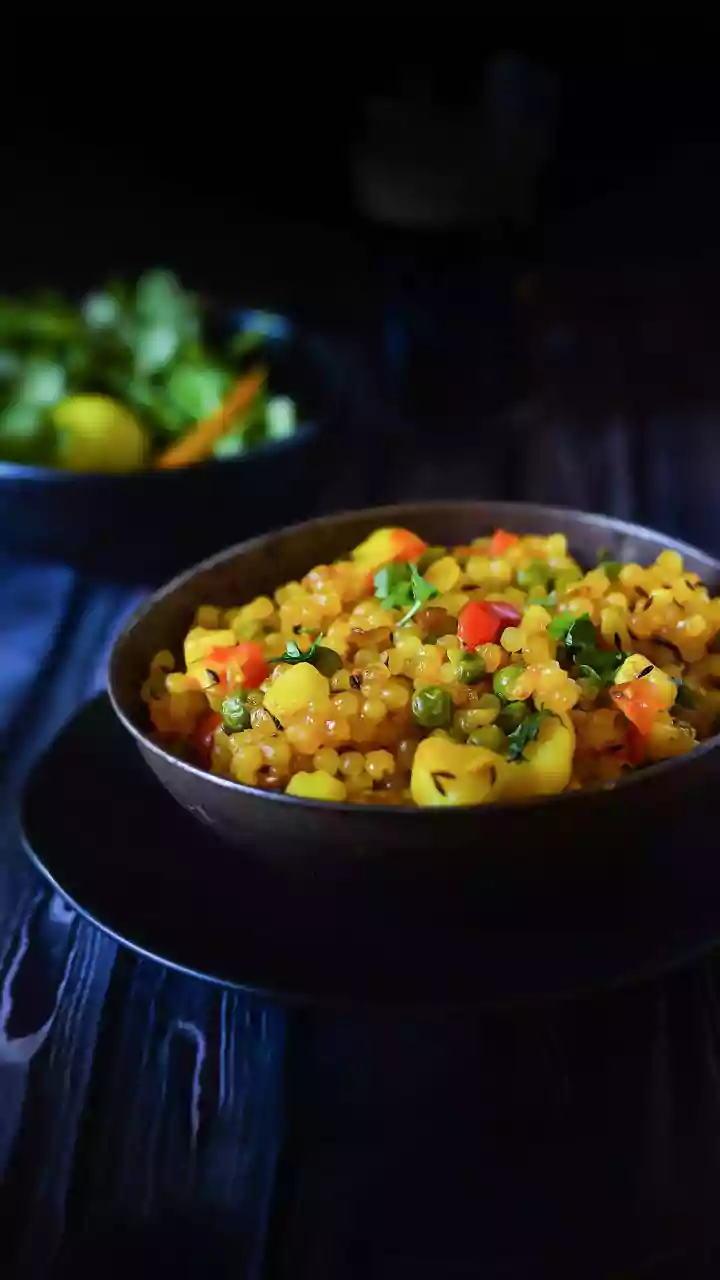
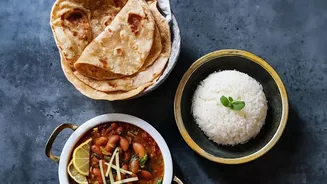
When Indians think of one-pot meals, the first dish that often comes to mind is Khichdi. While Khichdi is a timeless comfort food—a balanced meal of rice and lentils—the world of one-pot Indian cooking is vastly more diverse. Think of the fragrant Vegetable Pulao or a quick Biryani, where rice and vegetables are cooked together with aromatic spices. Consider the South Indian classic, Bisi Bele Bath, a hearty mix of rice, lentils, vegetables, and a special spice powder that is a complete meal in itself. Other regional gems like Dalma from Odisha, Tehri from Uttar Pradesh, and even simplified versions of Rajma or Chhole served with rice from a single pot are gaining popularity. These dishes prove that one-pot cooking is not about sacrificing variety, but about embracing efficiency.
Getting Started: Tips for Success
Adopting the one-pot lifestyle is easy. Start with the right equipment; a reliable pressure cooker or a heavy-bottomed kadai is a great investment. To save even more time on weeknights, dedicate a small amount of time on the weekend to meal prep. Chop vegetables like onions, carrots, and beans and store them in the fridge. You can also prepare ginger-garlic paste in advance. Using high-quality pre-made masala mixes can also be a game-changer, delivering authentic flavour without the need to measure out individual spices. Don't be afraid to use frozen vegetables like peas or corn, which are just as nutritious and cut down on prep time. The goal is to make cooking so simple that it becomes a relaxing ritual rather than a stressful chore.