






An Unprecedented Shopping Spree
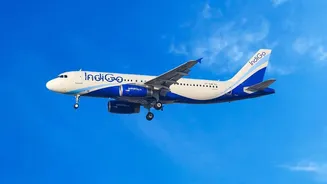
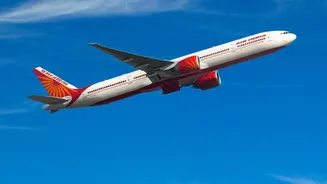
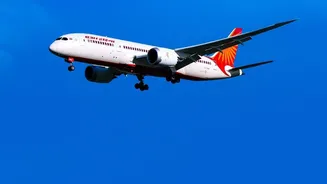
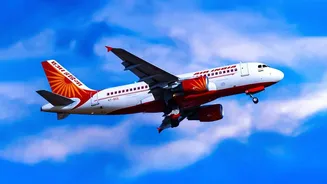
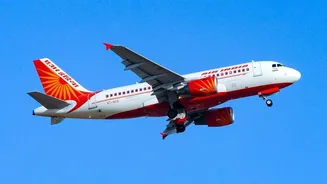
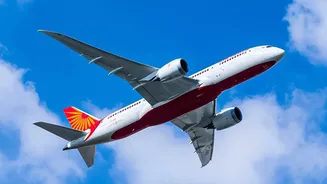
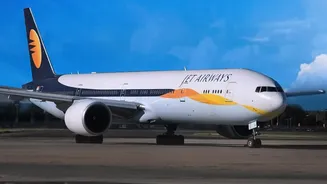
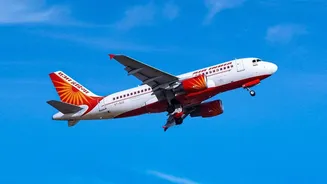
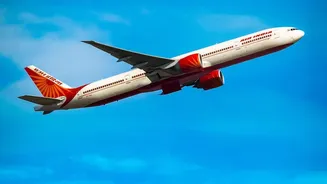
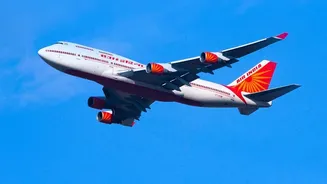
The scale of recent aircraft acquisitions by Indian carriers is nothing short of historic. In 2023 alone, the aviation world watched as Air India finalised a massive deal for 470 aircraft from both Airbus and Boeing, while IndiGo set a global record with
a single order for 500 Airbus A320 family jets. These blockbuster purchases, combined with orders from newer players like Akasa Air, have pushed India's total aircraft on order to well over 1,200 planes. This represents one of the largest order backlogs for manufacturers globally and was seen as a definitive statement on the future of Indian aviation. However, Commerce and Industry Minister Piyush Goyal recently stated that the country's total requirement is actually closer to 2,000 aircraft, indicating a potential shortfall of nearly 1,000 more planes. This surprising assessment reframes the narrative from one of simple expansion to one of struggling to keep pace.
The Engine of Sky-High Demand
What is fueling this seemingly insatiable demand for air travel? The answer lies in a combination of economic growth and strategic policy. India is currently the third-largest domestic aviation market in the world, and its growth is outpacing global averages. A burgeoning middle class with rising disposable income is increasingly choosing to fly. Projections indicate that annual passenger traffic could swell from around 300 million to 500 million by 2030. Furthermore, government initiatives like the UDAN (Ude Desh ka Aam Nagrik) scheme have been instrumental in enhancing regional connectivity, opening up air travel to and from tier-2 and tier-3 cities that were previously underserved. This rapid expansion has created a virtuous cycle: as more people fly, airlines expand routes, which in turn fuels more demand, putting immense pressure on the existing fleet.
Mind the Gap: The Coming Shortfall
Minister Goyal's warning about a shortfall isn't just about future growth; it's about present-day realities. He described the current situation as an 'acute' shortage of aircraft. The total need for over 2,000 aircraft accounts for both replacing an aging fleet and accommodating the explosive growth in passenger numbers. According to one forecast, India's commercial fleet is expected to grow at an annual rate of 7.1% through 2036. The problem is compounded by global supply chain issues. Aircraft manufacturers like Boeing and Airbus are managing huge international order backlogs, and shortages of critical components like engines have delayed production schedules. Some of the aircraft ordered by Indian carriers are not scheduled for delivery until as late as 2034, creating a significant gap between when planes are needed and when they will actually arrive. This has led the Indian government to actively pursue manufacturers for faster deliveries.
More Than Just Planes
The aircraft shortfall is the most visible symptom of a broader ecosystem under strain. A larger fleet requires a corresponding increase in pilots, cabin crew, and maintenance, repair, and overhaul (MRO) professionals. India has long been dependent on foreign MRO services, a costly gap the government is keen to fill by promoting domestic capabilities. Moreover, planes need airports. The government has ambitious plans to expand the number of operational airports from around 157 to 200 by the end of 2025 and to develop hundreds more in the coming decades, backed by billions in investment. Meeting the projected demand requires a synchronized expansion of not just fleets, but also the physical and human infrastructure needed to support them. The challenge is no longer just about buying planes, but about building an entire aviation ecosystem that can handle the unprecedented scale of a billion-passenger market.