





Why Bother Making It Yourself?
Before we get to the upgrade, let's talk about the joy of homemade almond butter. Store-bought jars are convenient, but they often contain added sugars, hydrogenated oils, and preservatives to extend shelf life. When you make it yourself, you are in complete
control. You decide the ingredients, the texture—from chunky to silky smooth—and the level of roastiness. The flavour of freshly blended, warm almond butter is a revelation. It’s nuttier, richer, and more fragrant than anything that has sat on a shelf for months. Plus, in the long run, buying raw almonds in bulk and making your own can be more cost-effective. It's a small kitchen project with a deliciously rewarding outcome.
The Science of the Flavour Hack
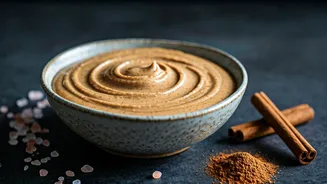
So, what’s the secret? It’s a dynamic duo: Himalayan pink salt and ground cinnamon. This isn't just about adding random flavours; it’s about strategic enhancement. Himalayan pink salt has a milder, less aggressive salinity than regular table salt, and its crystalline structure provides a more nuanced flavour with subtle mineral notes. This gentler saltiness amplifies the natural sweetness of the almonds without overpowering them. Then comes cinnamon. Its warm, sweet, and slightly spicy profile is a classic pairing with nuts. Cinnamon contains compounds that trick our taste buds into perceiving more sweetness than is actually present, allowing you to create a satisfyingly sweet-tasting butter without adding any sugar. Together, the salt brings out the almonds' depth, and the cinnamon adds aromatic warmth and complexity, transforming a simple spread into something truly special.
How to Make Pink Salt Cinnamon Almond Butter
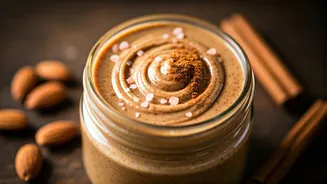
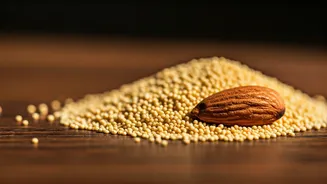
Ready to try it? The process is surprisingly simple. You just need a food processor or a high-powered blender. **Ingredients:** - 3 cups of raw, unsalted almonds - ½ to ¾ teaspoon of finely ground Himalayan pink salt (start with less, you can always add more) - 1 teaspoon of ground cinnamon - Optional: 1-2 teaspoons of coconut oil or avocado oil, if needed to help with blending. **Instructions:** 1. **Roast the Almonds:** Preheat your oven to 175°C (350°F). Spread the almonds on a baking sheet in a single layer. Roast for 10-12 minutes, or until they are lightly browned and fragrant. This step is crucial as it releases the oils and deepens the flavour. 2. **Let Them Cool Slightly:** Let the almonds cool for about 5-10 minutes. You want them to be warm, not hot, as this helps them blend into a smooth butter. 3. **Blend, Blend, Blend:** Place the warm almonds in your food processor. Turn it on and let it run. The almonds will go through several stages: first crumbs, then a thick paste, and finally, after several minutes, a smooth, liquidy butter. This takes patience! 4. **Add the Hack:** Once the butter is smooth and creamy, add the Himalayan pink salt and cinnamon. Blend for another 30 seconds to incorporate everything evenly. Taste and add more salt if desired. 5. **Store:** Transfer your almond butter to a clean, airtight glass jar. It will thicken slightly as it cools. Store it in the refrigerator for up to a month.
Troubleshooting for Perfect Texture
Is your almond butter stuck in the thick, pasty stage? Don't panic. This is the most common hurdle, and it’s almost always solved with patience. The process of breaking down the nuts and releasing their oils can take anywhere from 5 to 15 minutes, depending on the power of your machine. Keep scraping down the sides of the bowl and just let the processor run. If it's really struggling, or if your almonds are a bit old and dry, a little bit of neutral oil (like coconut or avocado) can help coax it along. Add one teaspoon at a time until the mixture starts to flow. Also, make sure you don’t under-roast your almonds; warm, well-roasted nuts blend far more easily.