






Vehicle Health: Your First Line of Defence
Before you even think about packing, your car needs a thorough pre-monsoon check-up. Worn tyres are a primary cause of skids on wet roads, so ensure they have adequate tread depth—ideally above 2.5mm—to prevent hydroplaning. Inflate them to the correct
pressure. Next, inspect your brakes; moisture can reduce their efficiency when you need them most. Test all your lights—headlights, tail lights, and indicators—as visibility is drastically reduced in heavy rain. Finally, don't forget your wiper blades. Summers in India can make them hard and cracked, leaving streaks that impair vision. Replacing them is a small, inexpensive step that makes a huge difference. Also, check that your battery terminals are clean and the battery itself is holding a charge to avoid getting stranded.
The On-Road Survival Kit
Packing the right gear can turn a potential disaster into a minor inconvenience. Your emergency kit should be your top priority. Include a first-aid kit with basics like antiseptic, bandages, and common medicines for fever or an upset stomach. A powerful torch or headlamp is crucial for roadside issues or power cuts at your destination. For your vehicle, pack a sturdy tow rope, jumper cables, and a basic tool kit. Given the unpredictable nature of monsoon traffic jams, always keep extra water, non-perishable snacks like biscuits and dry fruits, and a power bank for your phone. It’s also wise to pack waterproof zip-lock bags or dry bags to protect your electronics, wallet, and important documents from moisture.
Route Planning and Navigation Smarts
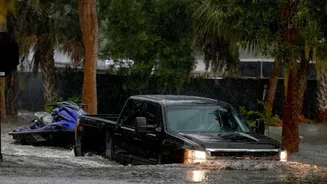
During the monsoon, your usual route might not be the safest. Before you leave, check weather forecasts and use navigation apps with real-time traffic updates to identify waterlogged areas, road closures, or landslide-prone zones, especially in hilly regions. Don't rely solely on mobile networks, which can be patchy in remote areas or during heavy storms. Download offline maps for your entire route as a backup. It's also a good idea to avoid driving at night. Poor visibility from rain and fog becomes significantly worse after dark, increasing risks. Plan your travel to maximize daylight hours, giving you a better view of road conditions and potential hazards. If a road looks flooded, do not attempt to drive through it; it's impossible to gauge the depth or see hidden dangers like open manholes.
Safe Driving in Tricky Conditions
Once on the road, adjusting your driving style is critical. The most important rule is to slow down. Wet roads significantly increase braking distances. Maintain a greater distance from the vehicle in front of you. Be gentle and steady with your braking and acceleration to avoid skidding. If you feel the car hydroplaning—gliding uncontrollably on a layer of water—ease off the accelerator and steer gently in the direction you want to go without slamming the brakes. When driving through unavoidable shallow water, stay in a low gear and keep the engine revs high to prevent water from entering the exhaust. Always use your low-beam headlights in the rain, even during the day, to ensure other drivers can see you.
Personal Comfort and Practical Gear
Your comfort is just as important for a successful trip. Pack lightweight, synthetic, and quick-drying clothes. Denim and thick cottons take forever to dry and become heavy and uncomfortable when wet. Having a waterproof jacket or poncho is non-negotiable. Footwear is another key consideration. Avoid leather shoes and opt for rubber sandals, floaters, or quick-dry sneakers with a good grip to navigate slippery surfaces safely. Keep a microfiber towel in the car, as it dries much faster than a standard cotton one. To combat musty smells from the damp, you can use rubber mats instead of fabric ones and keep moisture-absorbing silica gel packs inside the car. A small garbage bag will also help you keep the car clean during long drives.