
The Resurgence of the Personal Retreat
The concept of a den—a small, informal room for private activities—is enjoying a significant revival. For years, the trend in home design leaned heavily towards open-plan living, where walls came down to create large, communal areas for family and guests.
While great for social gatherings, this layout often left little room for solitude. The den's 2026 comeback is a direct response to this, fueled by a collective desire for personal space. After years of adapting homes to be offices, schools, and gyms, homeowners are now carving out dedicated zones for quiet and relaxation. This isn't about being antisocial; it's about balance. The modern den serves as a personal sanctuary, a place to decompress, and a quiet corner in a world that is always connected. It’s a room defined not by its readiness for guests, but by its ability to serve the homeowner’s need for a private hideaway.
Goodbye, Formalities; Hello, Function
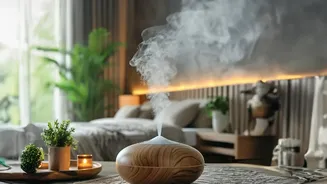
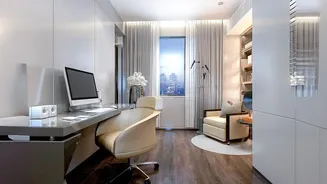
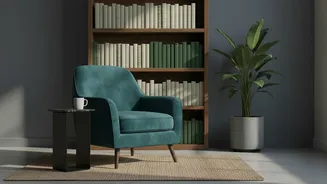
Historically, the den was often a secondary, more casual entertaining space compared to the formal living room. Today's iteration, however, moves beyond entertaining altogether. Its primary role is now deeply functional and tailored to the individual. Think of it as a multipurpose bonus room that adapts to your life. For some, it's a dedicated home office, free from the distractions of the main living area. For others, it's a library filled with books, a comfortable chair, and little else. It can be a hobby room for painting or crafting, a listening lounge with a record player and headphones, a yoga and meditation space, or simply a tech-free zone for quiet contemplation. The key is its flexibility; it can be anything you need it to be, changing as your interests evolve.
The New Den Aesthetic
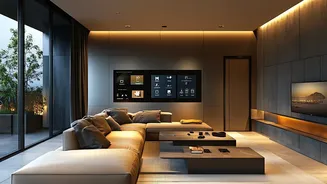
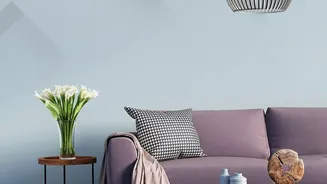
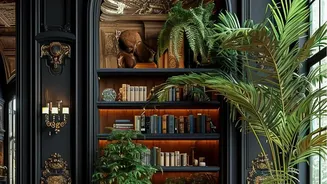
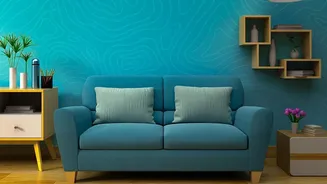
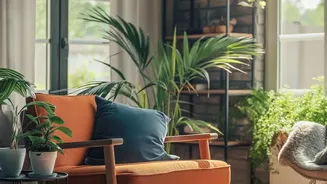
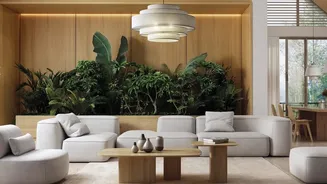
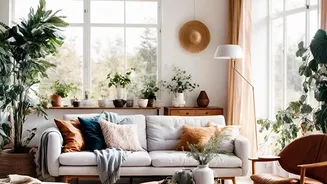
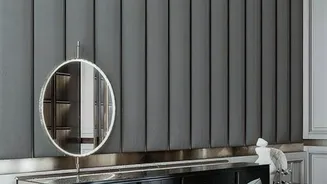
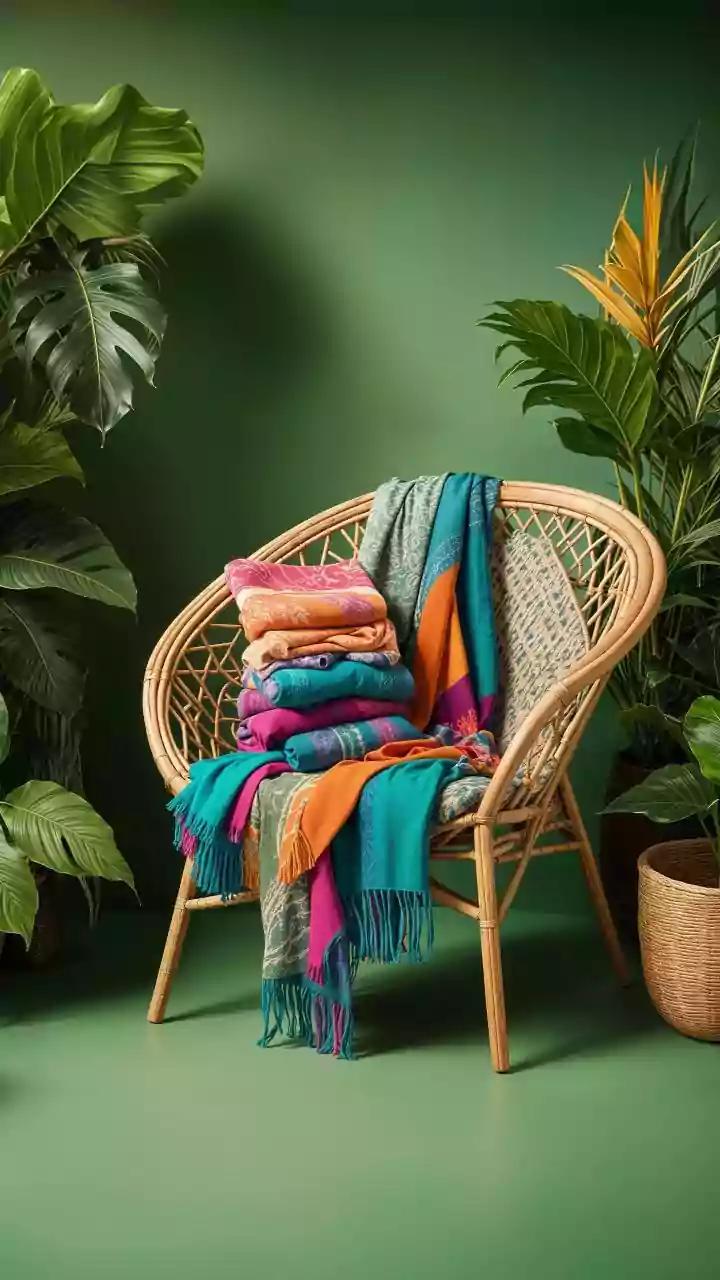
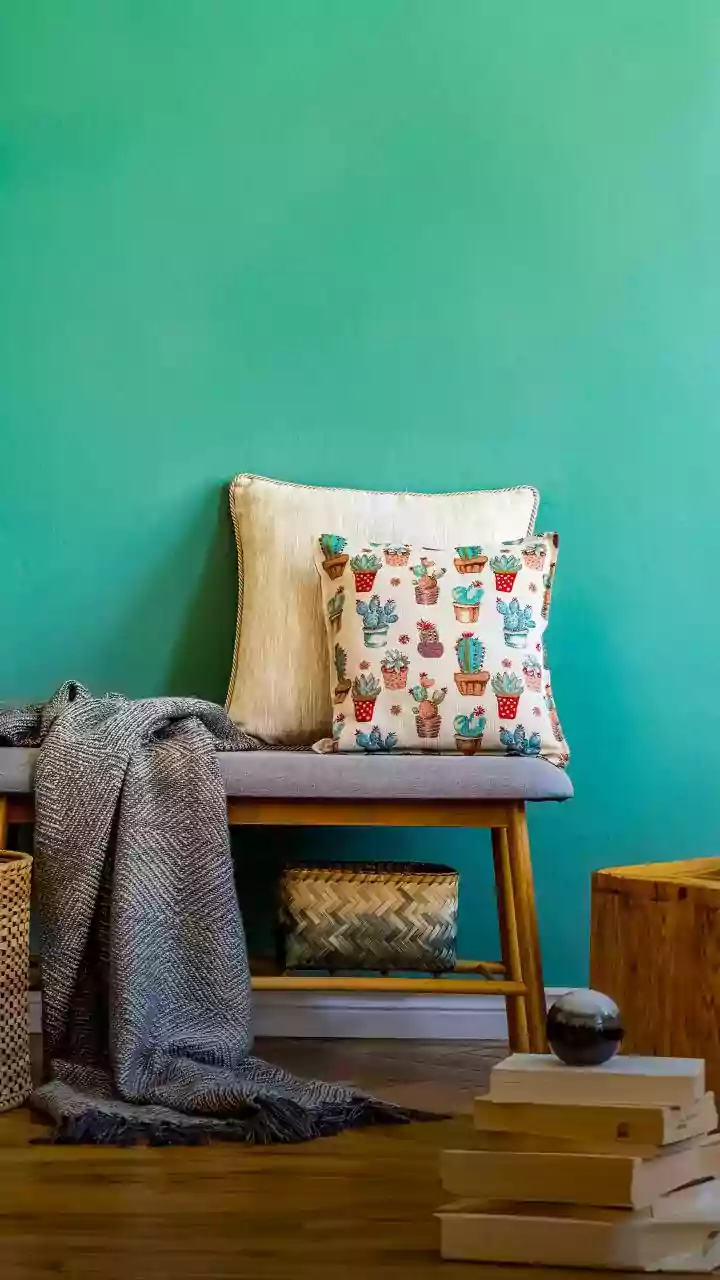
Forget the stereotypical image of dark wood, leather armchairs, and a lingering scent of cigar smoke. The 2026 den is warm, inviting, and stylish. The modern design aesthetic favours clean lines, minimalism, and a balance of comfort and function. While it can still have a masculine edge, the contemporary approach is much softer and more inclusive. Color palettes often start with neutrals like cream and grey, which are then warmed up with soft textiles, and accented with pops of colour. Materials are mixed, with wood, metal, and glass creating a layered, sophisticated look. Lighting is crucial; it’s used strategically to create a cozy atmosphere rather than just illuminating a room. The goal is to design a space that feels like a warm embrace—a reflection of personal style rather than a showcase for others.
Designing for Yourself, Not for Show
Ultimately, the comeback of the den signifies a broader shift in our relationship with our homes. It reflects a move away from performative domesticity—the idea that our homes must always be guest-ready—and towards creating spaces that genuinely support our well-being. The living room might still be the public-facing heart of the home, but the den is its private soul. It’s a room that doesn’t need to be tidy at a moment’s notice. It can be a place of creative chaos or serene order, depending on its purpose. This trend prioritizes comfort and personal expression over formality, recognizing that a true home is not just a place to host, but a place to live fully and authentically.