


Why Texture Is the Secret Ingredient
In the world of interior design, texture is what engages the senses beyond just sight. It’s the difference between a room that simply looks nice and one that feels warm, layered, and complete. When you don't have bold colours to create contrast, you must
rely on varying materials and surfaces to add visual weight and interest. Texture creates subtle highlights and shadows as light moves across the room, preventing a neutral scheme from appearing monotonous. It’s the tactile quality of a chunky knit throw, the rustic grain of a wooden table, or the smooth coolness of a marble surface that breathes life into a space.
Layering Textiles for Instant Warmth
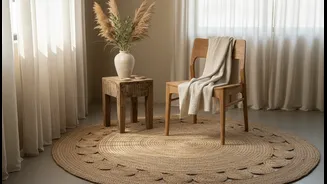
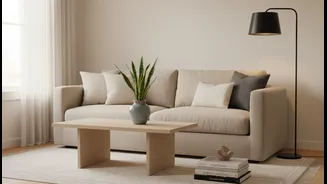
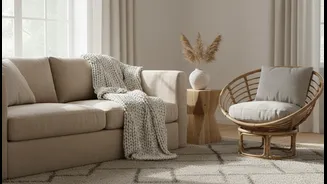
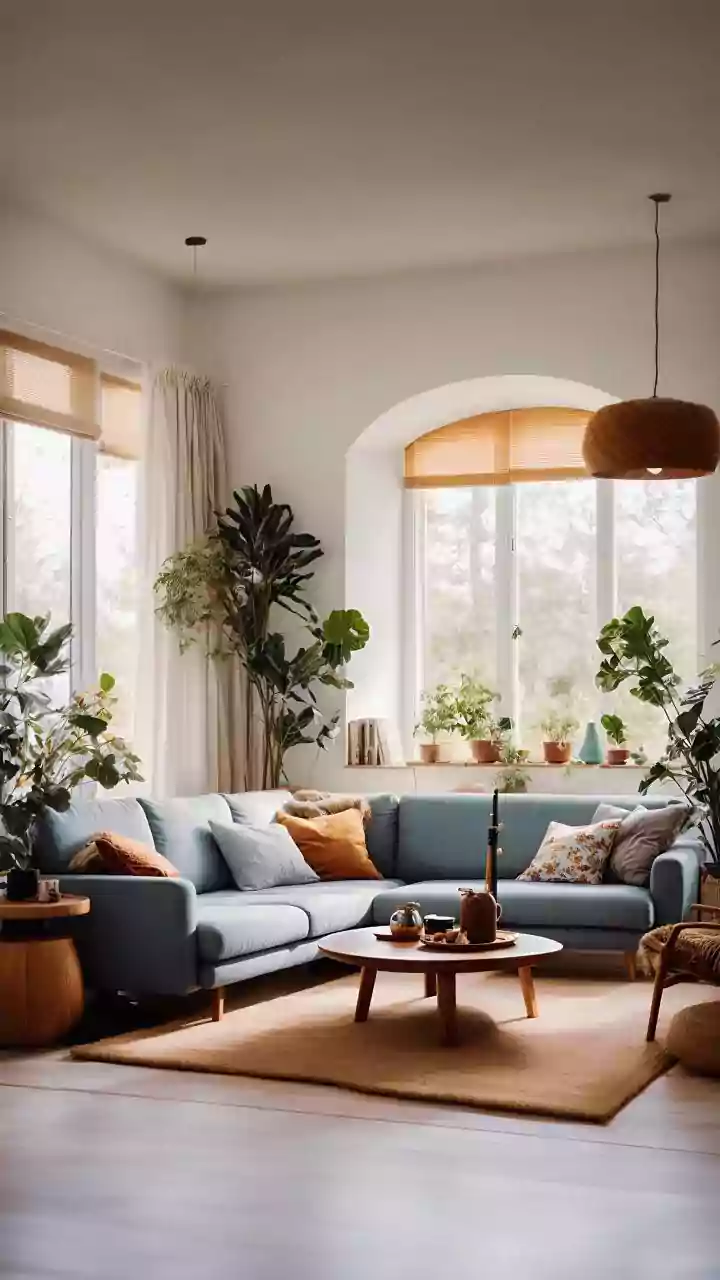
The easiest and most effective way to introduce texture is through textiles. Think of it as dressing your room. Start with a foundational piece, like a large area rug. A jute or wool rug immediately adds an earthy, grounding element. From there, layer on top. On your sofa, combine pillows of different materials—perhaps a smooth linen, a rich velvet, and a nubby bouclé. A soft, chunky knit or faux fur throw blanket draped over a chair or the end of a bed adds another layer of coziness. Even your window treatments can play a part; pairing light, airy sheers with heavier linen or cotton curtains adds depth.
Incorporating Natural Materials
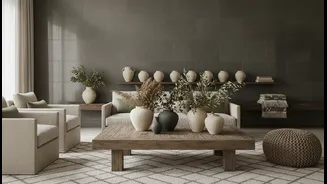
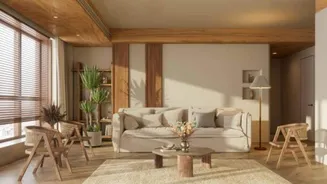
Nature is the master of texture, and bringing natural elements indoors is a foolproof way to add character. Materials like wood, rattan, stone, and even plants introduce organic shapes and surfaces that break up the uniformity of a neutral room. A coffee table made of reclaimed wood provides a rustic focal point, its unique grain telling a story. Woven baskets are perfect for both storage and style, offering a handmade touch. Don’t underestimate the power of greenery; a large fiddle leaf fig or a collection of smaller succulents in terracotta pots adds life and a different kind of texture. Stone accents, whether on a fireplace surround or through decorative objects, provide a cool, grounding contrast to softer textiles.
Mixing Furniture Finishes and Shapes
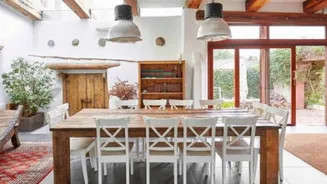
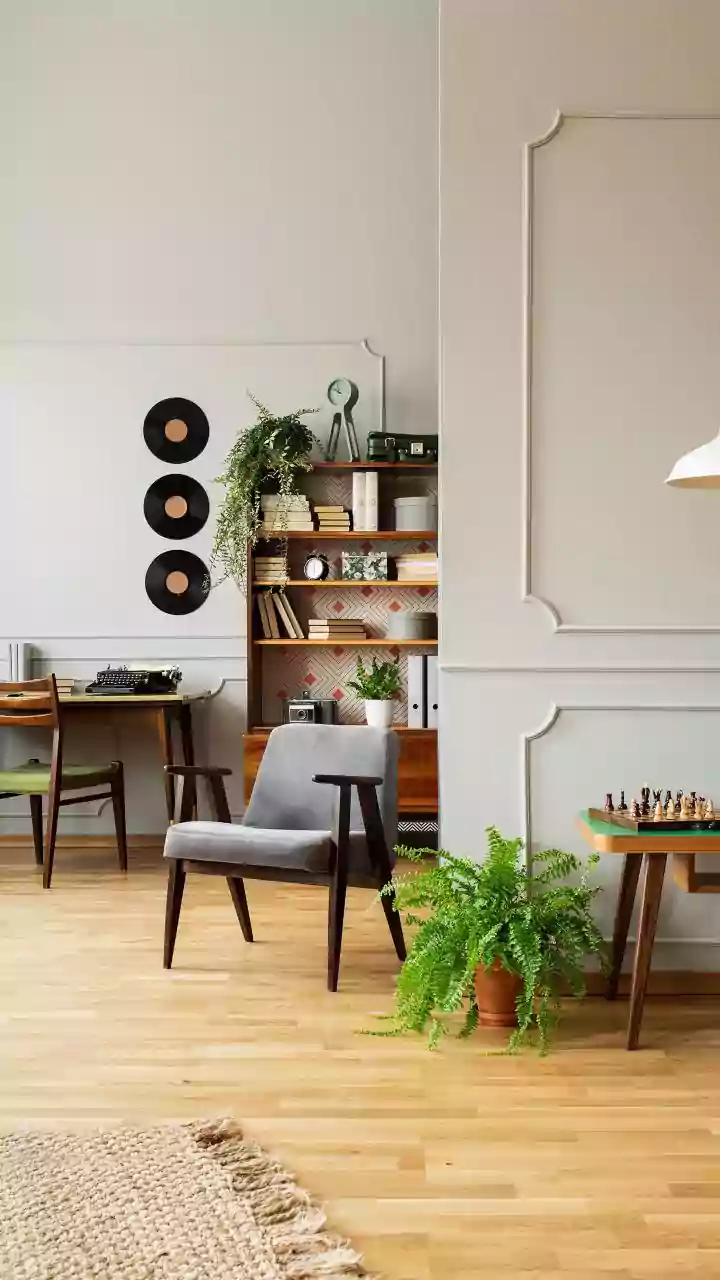
Texture isn’t just about what’s soft and cozy; it's also about the interplay between different hard surfaces. A room where every piece of furniture has the same smooth, polished finish can feel just as flat as one with no texture at all. Create interest by mixing materials and finishes. Pair a sleek metal-framed side table with a substantial wooden armchair. A leather ottoman can introduce a smooth but rich texture that contrasts beautifully with a fabric sofa. Look for furniture with interesting details, like a fluted cabinet front, a caned chair back, or a live-edge wooden dining table. These subtle variations add a sophisticated, curated dimension to your space.
Don’t Forget the Walls and Lighting
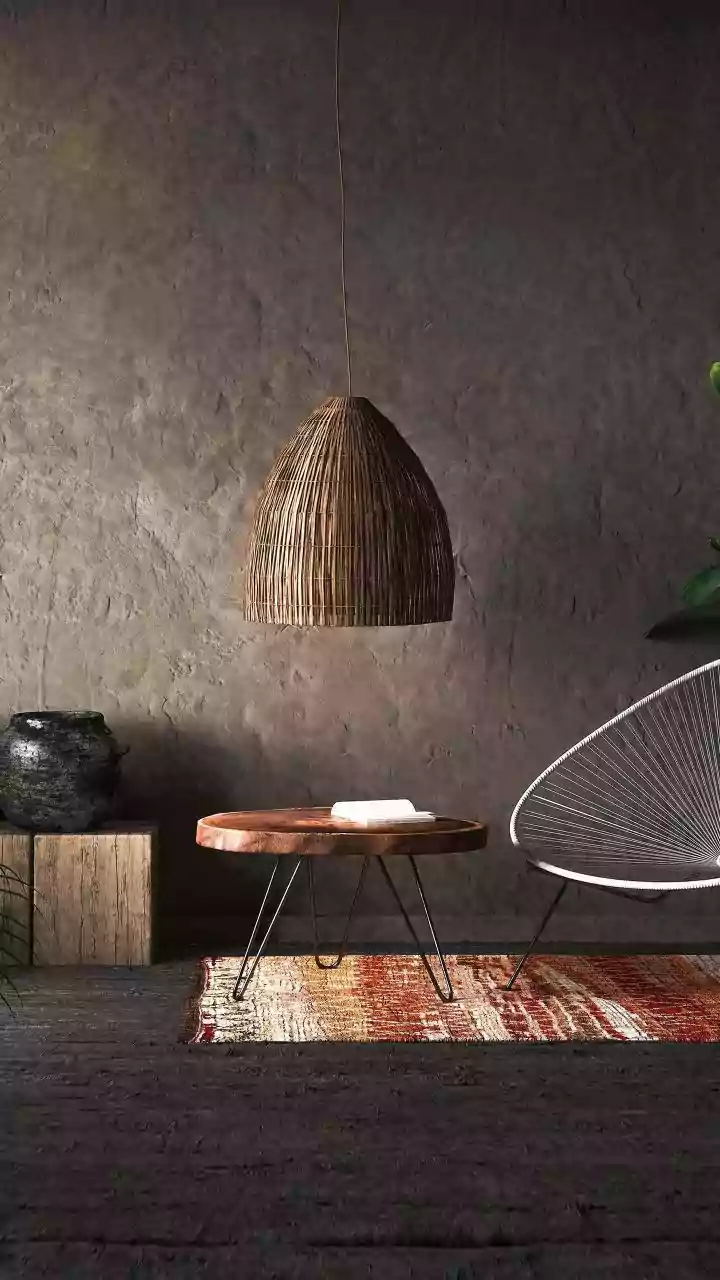
Your walls are large canvases waiting for texture. While a smooth coat of paint is the standard, consider alternatives that add depth. Textured wallpaper, such as grasscloth, gives a wall a tactile quality and a more dimensional look. Finishes like limewash or Roman clay create a soft, mottled effect that beautifully catches the light. Even large-scale art with visible brushstrokes or three-dimensional qualities can serve as a textural element. Finally, consider how lighting interacts with your space. A woven basket-style pendant light will cast interesting patterns, while a mix of floor lamps and table lamps creates pools of warm light that highlight the different textures you’ve so carefully chosen.