








The Science in the Starch
So, what makes this simple liquid so beneficial? The cloudy appearance of rice water comes from starch, which is a carbohydrate. This starch provides energy to beneficial microorganisms in the soil, like mycorrhizal fungi and bacteria. These microbes
help break down organic matter and make nutrients more available to the plant's roots. Beyond starch, rice water contains small, but useful, amounts of essential plant nutrients like nitrogen (N), phosphorus (P), and potassium (K), along with trace minerals such as magnesium, zinc, and iron. It's not a powerful, all-in-one fertiliser, but think of it as a gentle, organic vitamin boost that supplements your regular feeding schedule and improves overall soil health.
Plain vs. Fermented: Which Is Better?
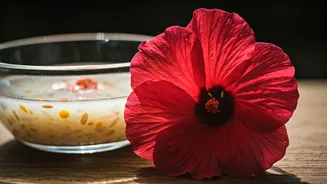
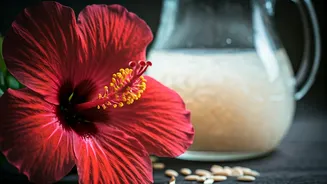
You can use rice water in two ways: plain or fermented. Plain rice water is simply the water leftover from rinsing or boiling rice. It’s mild and can be used immediately. Fermented rice water, however, is a more potent option. To make it, store the plain rice water in a jar at room temperature for 2-3 days until it develops a slightly sour smell. This fermentation process encourages the growth of beneficial bacteria, which predigest the starches and minerals, making them even easier for your plants to absorb. Fermentation also lowers the pH of the water, which is particularly loved by acid-loving flowering plants like roses and hibiscus. If you choose to ferment, remember to dilute the final product with plain water (about a 1:5 ratio of fermented rice water to plain water) to avoid it being too strong.
Your Step-by-Step Application Guide
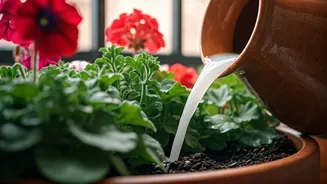
Using rice water is incredibly simple. First, collect the water after rinsing your rice. Ensure the rice is plain and not salted, as salt can harm your plants. You can use this water immediately to water the base of your plants, pouring it directly onto the soil. Avoid drenching the leaves, as the starchy residue can sometimes attract pests or promote fungal growth. How often should you use it? As a general rule, watering your plants with rice water once a week or once every two weeks is a good frequency. It should supplement, not replace, regular watering with plain water, especially during hot summer months. Pay attention to your plants; they will often show you if they are happy with the new addition to their diet.
Which Balcony Flowers Love It Most?
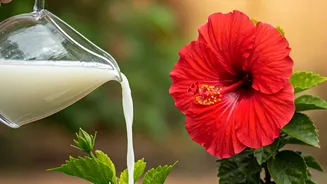
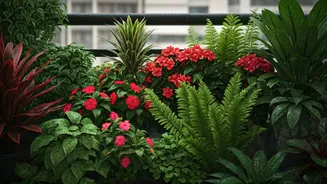
While most plants can benefit from this gentle nutrient boost, some flowering varieties popular in Indian balcony gardens respond particularly well. Hibiscus, with its love for slightly acidic conditions, thrives with fermented rice water. Roses, known for being heavy feeders, appreciate the extra dose of minerals. Bougainvillea, a staple of sunny balconies, can be encouraged to produce more of its colourful bracts. Other flowering plants like Jasmine (Mogra), Marigolds (Genda), and Peace Lilies also show positive results. The starch helps improve the soil structure in their pots, allowing for better aeration and water retention, which is crucial for container gardening.
A Few Important Precautions
While rice water is a fantastic natural tool, there are a few things to keep in mind for the best results. Firstly, never use water from rice that has been cooked with salt or oil. This can damage the roots and harm your plants. Secondly, consistency is key, but don't overdo it. Overwatering with rice water can lead to a starchy buildup on the topsoil, which may attract pests like fungus gnats or create a crust that prevents proper water absorption. It can also, in very humid conditions, encourage mould. If you notice a sour smell lingering in your pots or any signs of pests, reduce the frequency. Always use diluted rice water, especially if it’s fermented, to prevent the soil from becoming overly acidic.