

What Is Dark-Sky Travel?
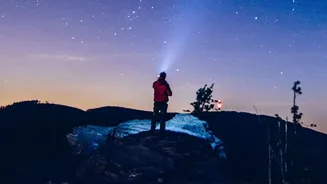
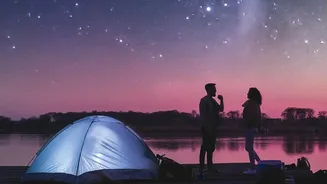
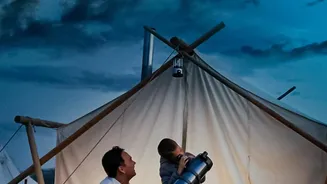
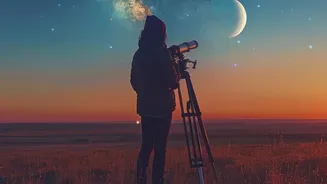
At its heart, dark-sky travel, or astrotourism, is the simple act of journeying to a location with minimal light pollution to experience the night sky in its full, unobscured glory. For much of the world's population, the glow from cities, towns, and
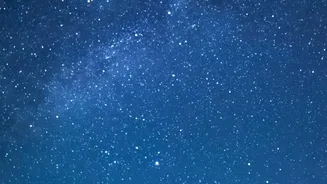
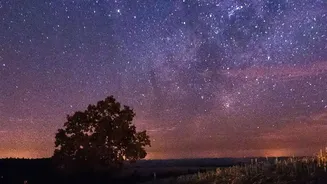
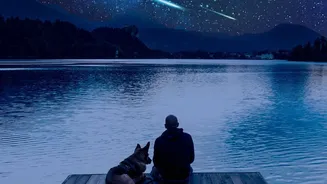
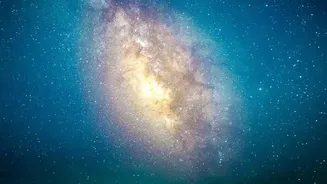
industries creates a perpetual twilight that makes it impossible to see all but the brightest celestial objects. According to experts, more than 80% of people in countries like the US, and a significant portion of humanity, can no longer see the Milky Way from their homes.This is where dark-sky destinations come in. These are often remote parks, reserves, and communities that have made a conscious effort to preserve natural darkness. Organizations like DarkSky International, founded in 1988, certify these locations, recognizing their commitment to protecting the night sky through responsible lighting policies and public education. Travelling to one of these spots isn't just about escaping city lights; it's about stepping into an environment where you can witness thousands of stars, distant galaxies, and meteor showers with stunning clarity.
India’s Starry Sanctuaries
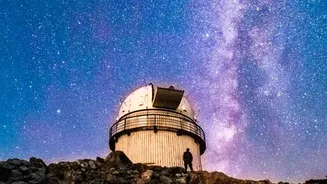
India, with its vast and diverse landscapes, offers some truly world-class destinations for stargazers. The crown jewel is undoubtedly the Hanle Dark Sky Reserve in Ladakh, India's first and only officially designated reserve. Located high in the Changthang Wildlife Sanctuary at an altitude of over 4,500 metres, Hanle's dry climate and minimal light pollution provide pristine viewing conditions. Here, the Milky Way isn't a faint smudge but a brilliant river of light, and the Andromeda Galaxy can be seen with the naked eye. The reserve is a community-based initiative, with local villagers trained as 'Astronomy Ambassadors' to guide tourists.Beyond Ladakh, Spiti Valley in Himachal Pradesh is another high-altitude desert offering profoundly dark skies. Villages like Kaza and Kibber serve as excellent bases for watching celestial events against a backdrop of ancient monasteries. For those looking for other options, the surreal white salt desert of the Rann of Kutch in Gujarat, the sand dunes near Jaisalmer in Rajasthan, and even the coffee plantations of Coorg in Karnataka offer incredible opportunities to gaze at the cosmos.
More Than Just Looking Up
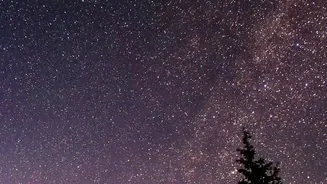
While the main event is the sky itself, dark-sky travel offers a much richer experience. For many, it’s a chance to delve into astrophotography, capturing breathtaking images of star trails or the galactic core. The profound darkness allows for long-exposure shots that are impossible in light-polluted areas. Many destinations, including Hanle, offer guidance for aspiring photographers.This form of travel is also deeply connected to sustainable tourism. By visiting these remote areas, travellers contribute to local economies and support the preservation of natural environments. It's an opportunity to disconnect from digital distractions and reconnect with nature on a fundamental level. The silence and scale of the cosmos can be a meditative and awe-inspiring experience, fostering a deeper appreciation for our planet and our place in the universe. Many destinations combine stargazing with local culture, offering stays in homestays, cultural programmes, and storytelling.
Planning Your First Astro-Adventure
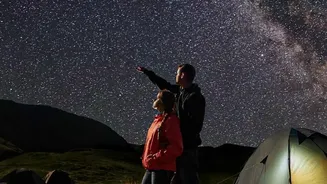
You don't need to be a professional astronomer to enjoy dark-sky travel. In fact, at the best sites, the naked eye is powerful enough to reveal wonders. Binoculars are a great, portable first step for getting a closer look. For your first trip, start simple. Choose a destination and plan your travel around the new moon, as moonlight can wash out fainter stars. Check the weather forecast for clear skies.Your packing list should include warm, layered clothing, as even desert locations can get cold at night. A red-light torch is essential, as white light ruins your night vision, which can take up to 30 minutes to fully adapt to the dark. Download a stargazing app on your phone (like Sky Map or Stellarium) to help you identify constellations, planets, and satellites. Most importantly, give yourself time. Find a comfortable spot, perhaps with a reclining chair or a blanket, and simply allow your eyes to adjust and drink in the celestial spectacle above.