



A Return to Deeper Flavour
One of the most compelling reasons for this revival is the pursuit of unparalleled flavour. Techniques like 'dum pukht', where food is slow-cooked in a sealed pot, allow ingredients to meld in their own steam, creating layers of aroma and taste that are
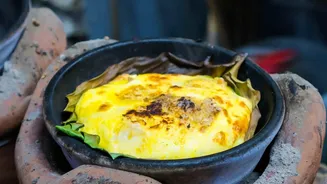
impossible to rush. Similarly, cooking in an earthen pot, or 'handi', imparts a subtle, earthy fragrance that metal pans cannot replicate. The slow, even heat distribution of clay ensures that spices bloom gradually and dishes like dal or meat curries develop a richer, more complex character. Many attest that food cooked this way is not just tastier but has a more satisfying texture, with meats becoming incredibly tender and lentils turning exceptionally creamy.
The Search for Better Health
This movement is also deeply intertwined with a growing consciousness around health and wellness. Traditional cookware, particularly unglazed clay pots, offers a non-toxic alternative to modern non-stick pans, which can sometimes contain synthetic chemicals. Clay is naturally alkaline, which can help balance the pH of acidic ingredients like tomatoes, making food easier to digest. The slow-cooking process in these porous vessels often requires less oil, as food retains its natural moisture. This method helps in preserving the vitamins and minerals in the ingredients that can be lost with high-heat, rapid cooking methods, making the final dish more nutritious.
Preserving a Culinary Identity
Beyond taste and health, embracing heritage techniques is a powerful act of cultural preservation. In a world of globalised food trends and fast food, mastering a family recipe or a regional speciality is a way to connect with one's roots. It’s about keeping alive the specific methods that define a particular cuisine, from the 'chaunk' or 'tadka' (tempering spices in hot oil) that forms the base of countless Indian dishes to the use of a 'sil-batta' (stone grinder) for chutneys and masalas. Each technique carries with it the story of a region, its climate, and its people. For many, learning to make their grandmother's signature dish is not just about cooking; it's about becoming a link in a chain of tradition.
Mindfulness in a Fast-Paced World
In an era of instant gratification, the deliberate pace of artisanal cooking has become a form of therapy. The act of manually grinding spices, kneading dough by hand, or patiently waiting for a curry to simmer offers a mindful escape from the pressures of a busy life. It demands presence and reconnects the cook to the sensory experience of preparing food—the sounds, smells, and textures that are often lost with automated gadgets. This return to the kitchen is less about romanticising the past and more about finding a grounded, intentional way of living and eating in the present.