




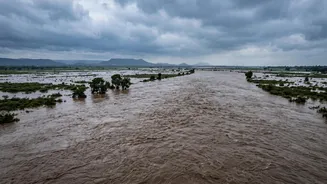

A Steep Descent from the Himalayas
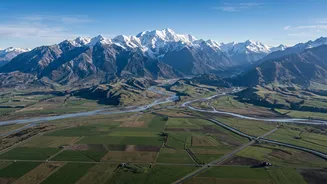
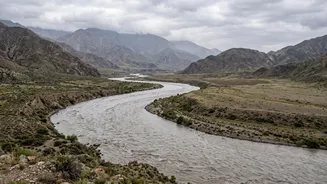
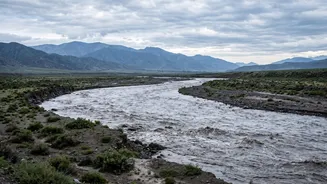
The Kosi's story begins high in the Himalayas, across Tibet and Nepal. It is a transboundary river formed by several upper tributaries that drain some of the world's highest mountains. This gives the river immense power. It descends from high altitudes,
dropping steeply before it reaches the flat plains of northern India. As it exits the mountains at the Chatra Gorge in Nepal, its energy is suddenly unleashed onto the relatively flat terrain of Bihar, setting the stage for chaos.
The River That Carries a Mountain
The single most important factor defining the Kosi is the enormous amount of sediment it carries. The young and erosion-prone Himalayas are constantly being worn down, and the Kosi acts as a powerful conveyor belt for this material. It is estimated to contribute nearly 25% of the total sediment load of the entire Ganges river system, despite being a much smaller part of it. This heavy silt load, one of the highest in the world, is the root of many of its problems.
A Restless, Wandering Course
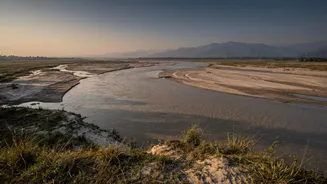
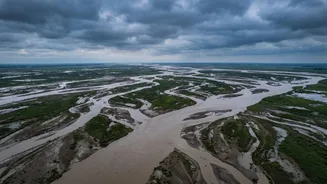
A river carrying so much sediment cannot stay in one place. As the Kosi slows down on the flat plains of Bihar, it dumps its sediment load onto its own bed. Over time, this process, called aggradation, raises the riverbed higher than the surrounding land. When the next major flood comes, the water naturally seeks a lower path, breaking its banks and carving a new channel. This sudden shifting of course is called avulsion. Over the last two centuries, the Kosi has migrated westward by about 150 kilometres, creating a massive alluvial fan and leaving a trail of destruction.
The Embankment Paradox
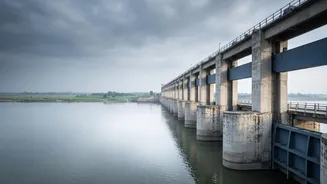
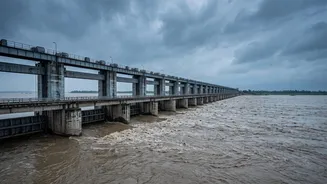
In the 1950s, an ambitious plan was hatched to tame the Kosi by building embankments along its banks. The idea was to confine the river to a single channel and protect the surrounding agricultural land. However, this has created a paradox. The embankments prevent the river from depositing its silt over a wide floodplain as it naturally would. Instead, all the sediment is now trapped within the embanked channel. This has caused the riverbed to rise at an alarming rate, making the river flow at a level significantly higher than the countryside it passes through.
The Inevitable Breach
With the river flowing at an elevated level, immense pressure is put on the ageing embankments during peak monsoon flows. When a breach occurs, the result is catastrophic. The 2008 Kusaha breach is a tragic example. The river burst through its eastern embankment in Nepal, abandoned its channel, and shifted its course by over 100 kilometres eastward, flooding areas that had not seen such water in decades. Over three million people were affected in India as the river reclaimed one of its old, abandoned paths. These events show that attempts to 'control' the Kosi have, in some ways, only increased the severity of disasters when they inevitably happen.