






The Nilgiri Difference
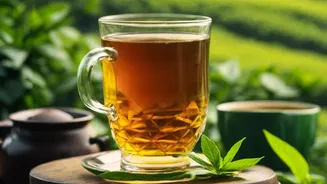
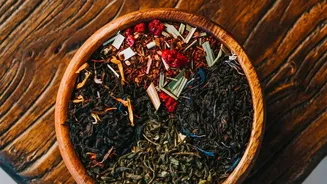
Before we get to the cold brew, let's talk about the tea itself. Hailing from the Nilgiri Mountains—the 'Blue Mountains' of Southern India—this black tea is a bit of an unsung hero. Unlike its bolder, more robust cousin Assam, or the delicate, floral
Darjeeling, Nilgiri tea strikes a beautiful balance. It is known for being exceptionally aromatic, smooth, and medium-bodied. A key characteristic is its remarkably low astringency, which means it lacks the bitterness that can sometimes accompany black teas. This quality makes it naturally sweet and clean on the palate, with bright floral and fruity notes. Its unique growing conditions, which include two monsoon seasons, give it a profile closer to a Ceylon tea, ensuring it remains clear and never clouds when chilled—making it an ideal candidate for iced and cold-brew preparations.
The Cold Brew Advantage
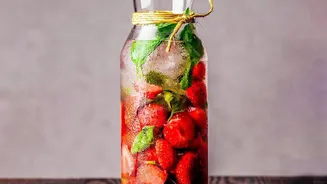
The magic really happens when you apply the cold brew method. Steeping tea leaves in cold water over a longer period (typically 12-24 hours) fundamentally changes what gets extracted. Hot water is efficient but aggressive; it pulls out everything quickly, including tannins, which are responsible for bitterness and astringency. Cold water, on the other hand, is a gentle extractor. This patient process yields a tea that is incredibly smooth, naturally sweeter, and significantly less bitter. For fitness enthusiasts, this means a refreshing drink that doesn't require added sugars to be palatable. Furthermore, the cold brew method typically extracts less caffeine—sometimes up to 30% less than its hot-brewed counterpart—delivering a gentle energy boost without the potential for jitters, making it suitable for hydration at any time of day.
A Source of Beneficial Antioxidants
The headline attraction for many health-conscious drinkers is the promise of antioxidants, and Nilgiri tea delivers. Like other teas, it is rich in polyphenols like flavonoids and catechins, which are compounds known to help the body combat oxidative stress caused by free radicals. This is particularly relevant for active individuals, as intense exercise can temporarily increase the production of these damaging molecules. While the body has its own defense systems, dietary antioxidants can offer support. The cold brewing process can be particularly beneficial here. Some studies suggest that while hot water extracts certain antioxidants more quickly, cold brewing can preserve more of the delicate, heat-sensitive compounds and may result in a higher overall antioxidant concentration over a long steep.
The Perfect Fitness Partner
When you combine these three elements, you get a beverage that seems tailor-made for a fitness-focused lifestyle. First, it’s a superior hydrator. The smooth, clean taste makes it easy to drink large amounts, helping you stay hydrated before, during, or after a workout. Second, the lower, gentler caffeine content provides a mild lift in focus and energy without interfering with sleep or causing a crash. Finally, the payload of antioxidants may help support recovery by mitigating exercise-induced cellular stress. It's a functional beverage that doesn’t taste overtly “functional.” There’s no chalky texture or artificial aftertaste—just pure, refreshing tea that supports your goals while delighting your taste buds.