




From All-or-Nothing to Mindful Moderation
The traditional view of festive eating often swung between two extremes: unrestrained indulgence or complete avoidance. However, with celebrations for Navratri, Durga Puja, Diwali, and weddings often stretching over weeks, this binary approach is proving
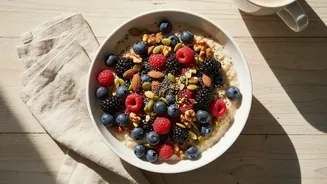
unsustainable. Many are now embracing a middle path, focusing on moderation and mindful choices rather than outright prohibition. Nutrition experts note a growing interest in strategies like the 80:20 rule, where 80 percent of meals are nutritious and balanced, leaving 20 percent for festive treats. This prevents the cycle of guilt and deprivation, fostering a healthier, long-term relationship with food. The goal is no longer to 'survive' the festive season but to enjoy it without compromising wellness.
The Smart Plate Method
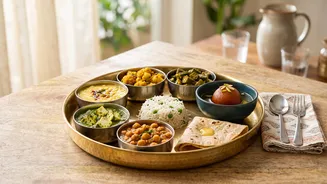
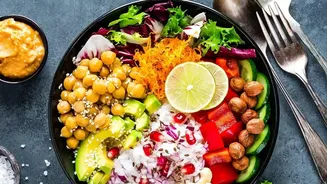
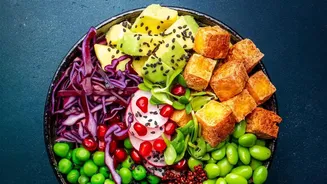
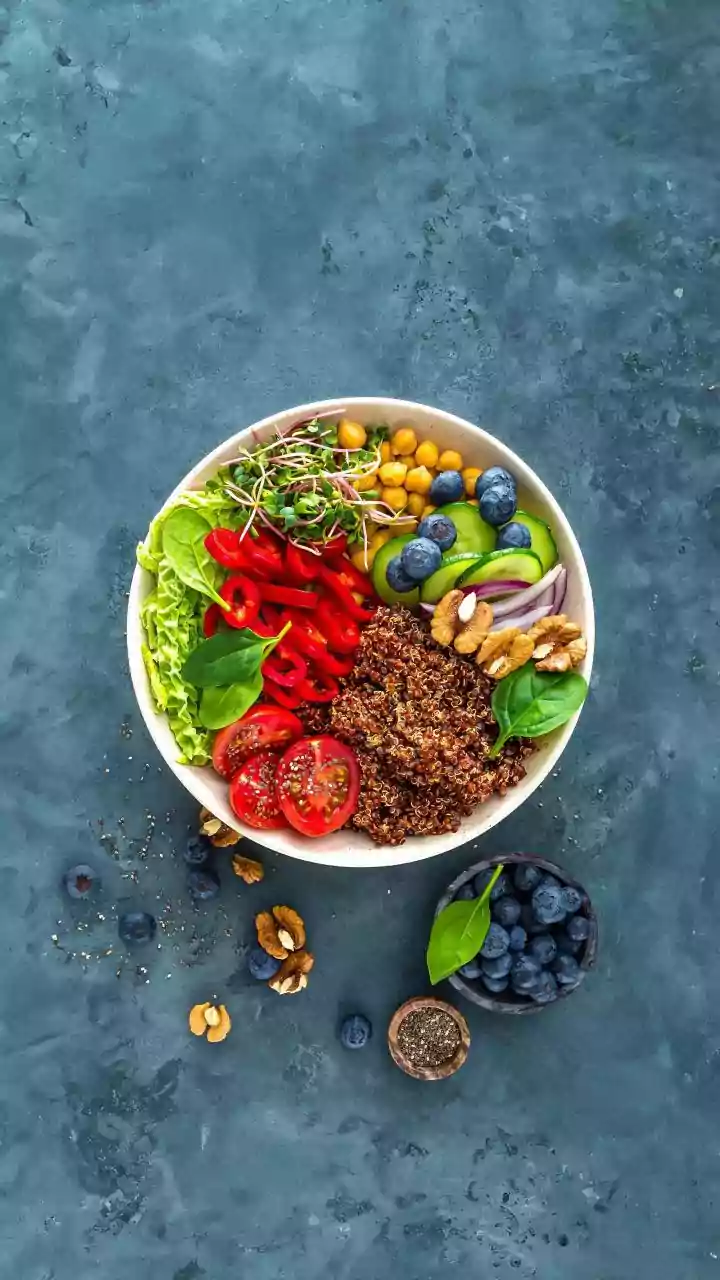
One of the most practical strategies gaining traction is the 'plate method'. It’s a simple visual guide for building a balanced meal, even at a festive buffet. The rule is to fill half your plate with vegetables or salad, a quarter with protein like dal, paneer, or lean meat, and the final quarter with carbohydrates such as rice or roti. This ensures you get essential fibre and protein, which promote satiety and help prevent overindulging in heavier, calorie-dense dishes. Starting with vegetables and protein before moving to the carbs can also help manage blood sugar levels and keep cravings in check.
Portion Control Without the Obsession
Portion control is key, but it doesn't mean you need to carry a measuring cup to every party. Simple, intuitive cues are more effective. For instance, using smaller plates and bowls can psychologically trick the brain into feeling satisfied with less food. When it comes to sweets, the advice is to share desserts or choose bite-sized pieces. Another tip is to eat slowly, savouring each bite. This gives your body time to register feelings of fullness, preventing that overstuffed feeling. The mantra is to 'taste everything, finish nothing,' allowing you to enjoy the variety without over-consuming any single item.
Healthier Swaps and Smart Hydration
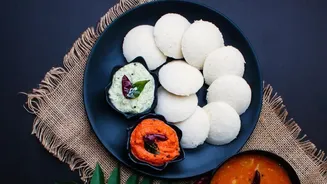
Flexibility also comes from making small, intelligent swaps that don't sacrifice flavour. This can mean choosing baked or air-fried versions of snacks like samosas and chaklis instead of deep-fried ones. When preparing sweets at home, many are replacing refined sugar with natural alternatives like jaggery or dates and using whole-grain flours instead of maida. Hydration is another crucial element. Often, the body mistakes thirst for hunger. Drinking water throughout the day, and especially before a large meal, can help manage appetite. Swapping sugary drinks for water, buttermilk, or coconut water is another easy win.
It's a Marathon, Not a Sprint
Perhaps the biggest mental shift is viewing the festive season as a marathon. Planning ahead is crucial. Some people schedule 'lighter' eating days before and after major feast days to create balance. Rather than skipping meals to 'save' calories—a strategy that often backfires and leads to overeating—having a small, protein-rich snack before heading to a party can prevent you from arriving ravenous. It's also important to remember that one indulgent meal doesn't derail your health goals. The focus is on consistency; returning to your regular routine the next day with lighter meals and gentle activity is more effective than any extreme compensatory measures.