


A Conscious Shift in Mindset
There's a quiet revolution happening in Indian living rooms, bedrooms, and dining spaces. The allure of mass-produced, flat-pack furniture is fading, replaced by a conscious desire for items that are both eco-friendly and full of character. This shift
is driven by a new generation of consumers who are increasingly aware of the environmental impact of their choices. The 'use and throw' culture is giving way to a more considered approach, where furniture is seen not as a temporary commodity, but as a long-term investment for the home and the planet. This trend is about more than just being green; it's about mindful consumption and curating a space that reflects personal values.
The Allure of Imperfection and History
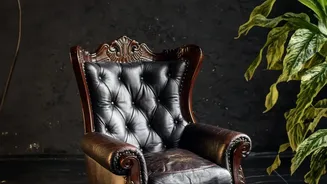
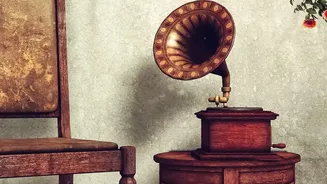
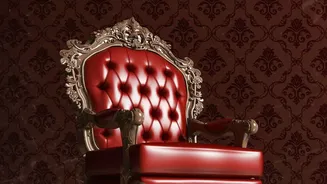
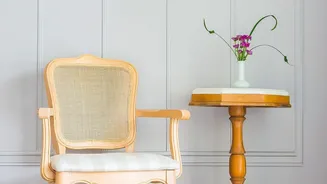
What does a vintage teak cabinet or a lovingly restored armchair offer that a new piece cannot? The answer is a story. Each nick, scratch, and faded patch of paint speaks to a history, a life lived before it entered the home. Designers and homeowners are finding that these 'imperfections' add a layer of warmth and authenticity that mass-manufactured items lack. Vintage pieces, often made from high-quality woods like teak and rosewood, boast a level of craftsmanship that is hard to find today. This move towards pre-owned furniture is a deliberate choice for unique, statement items that prevent a home from looking like a catalogue, giving it a distinct and personalised soul.
The Thrill of the Sustainable Hunt
Acquiring second-hand furniture is an experience in itself. It involves a hunt through bustling markets like Mumbai's Chor Bazaar or the antique shops of Jodhpur and Kochi, or scrolling through online marketplaces where countless treasures await discovery. This journey of finding the perfect piece is part of its charm. In cities like Mumbai and Bangalore, workshops on upcycling and furniture revival are gaining immense popularity, drawing professionals from all fields who want to learn how to give old items a new life. This hands-on approach fosters a deeper connection to the objects we live with, turning a simple chair or table into a cherished heirloom with a personal touch.
Modern Heirlooms: A New Tradition
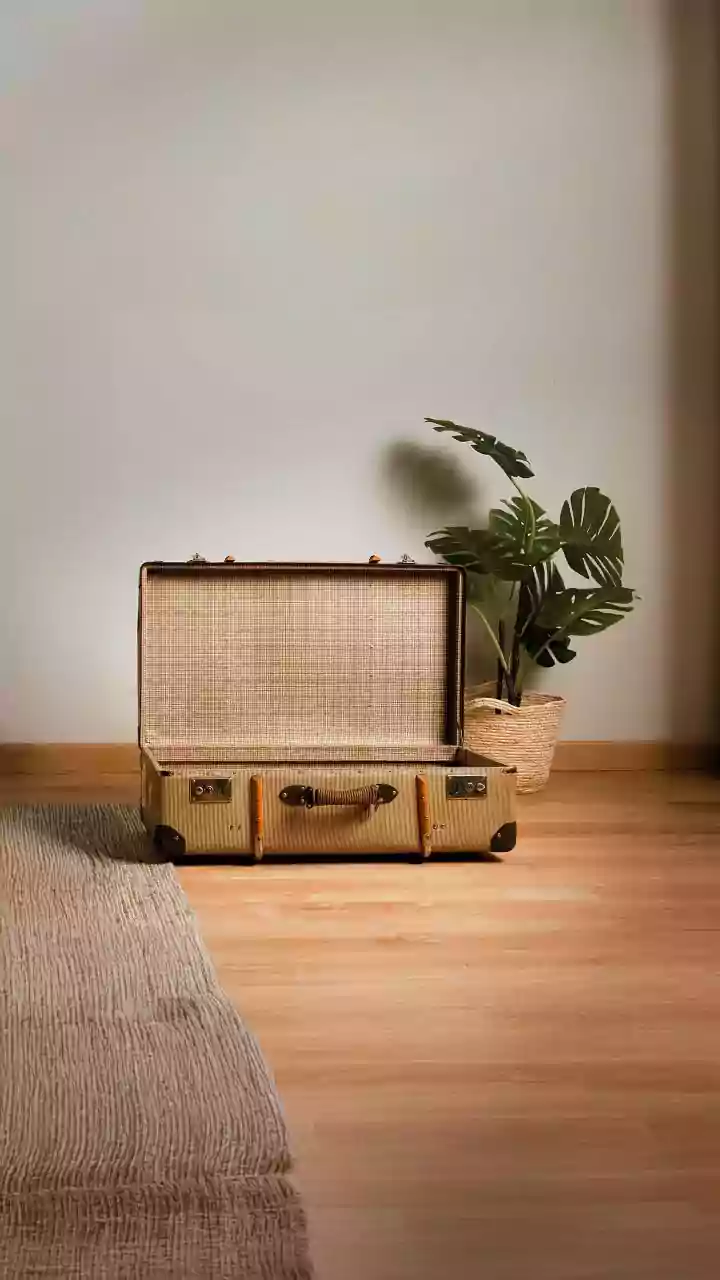
The Indian tradition of passing down furniture through generations is finding a modern echo in the upcycling movement. Instead of inheriting a grandparent's trunk, people are now creating their own future heirlooms by rescuing and restoring forgotten pieces. This trend also empowers local artisans and restorers who possess the skills to refurbish old wood and materials, fostering social responsibility alongside environmental sustainability. Brands and design studios across the country are now specialising in transforming salvaged materials—from reclaimed timber to old tyres and textiles—into stunning, functional decor, proving that waste can be turned into something wonderful.
Integrating the Old with the New
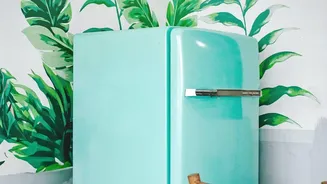
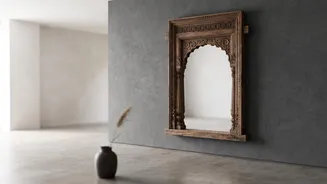
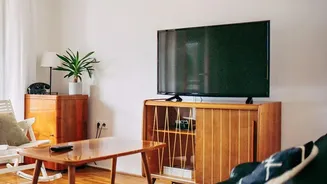
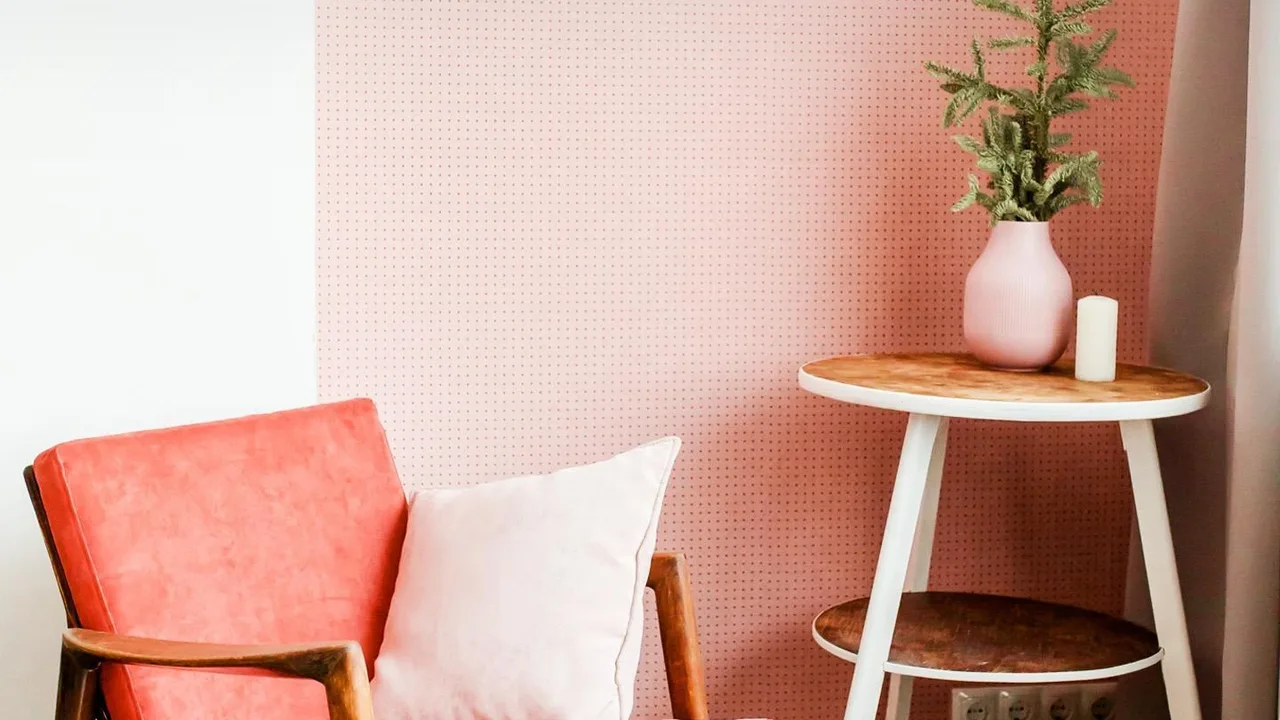
Incorporating vintage finds into a contemporary Indian home doesn't mean it has to look like a museum. The key is balance. A striking antique cabinet can serve as a focal point in a minimalist living room, or a set of retro dining chairs can add a pop of colour to a modern kitchen. Restoration doesn't always mean returning a piece to its original state; sometimes it's about creative reinvention. A fresh coat of paint in a bold colour or new upholstery can transform an old item, bridging the gap between its past and its new, stylish present. The goal is to create a harmonious blend where the old enriches the new, resulting in a space that is layered, interesting, and deeply personal.