





Gaganyaan: A New Celestial Chariot
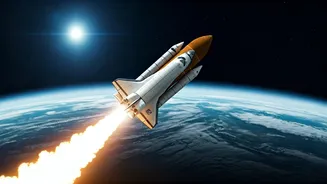
The centerpiece of this ambition is the Gaganyaan mission. The project aims to demonstrate India's capability for human spaceflight by launching a crew of astronauts into a 400-kilometer orbit for a three-day mission and bringing them back safely to Earth.
This isn't just a technological demonstration; it's a statement. Successful completion will make India only the fourth country in the world—after the Soviet Union, the United States, and China—to possess independent human spaceflight capability. The Indian Space Research Organisation (ISRO) is meticulously preparing, with a series of uncrewed test flights preceding the main event. Recent updates in mid-2026 confirm that thousands of ground tests have been completed, with uncrewed flights paving the way for a potential first crewed launch in 2027, though timelines are continuously reviewed to ensure absolute safety.
Meet the Nation's 'Vyomnauts'
Putting a human face to this monumental effort are four decorated Indian Air Force test pilots: Group Captains Prasanth Balakrishnan Nair, Ajit Krishnan, Angad Pratap, and Wing Commander Shubhanshu Shukla. These men, the first Indian 'Vyomnauts' (from the Sanskrit word 'Vyoma' meaning space), were selected from a talented pool and have been undergoing extensive training for years. Their preparation has been global, involving a 13-month stint at Russia's Gagarin Cosmonaut Training Center and further training in the US with Axiom Space. Back home, their regimen includes everything from academic theory and simulator training to yoga and survival drills for various landing scenarios. This rigorous preparation underscores the human element at the heart of the mission, transforming abstract ambition into a personal journey.
The Technology of National Pride
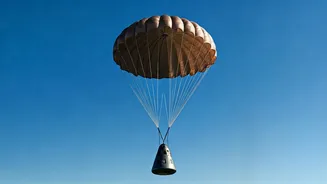
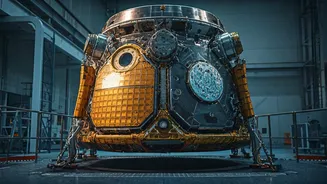
Sending humans to space and bringing them back safely is arguably the most complex of all space endeavours. ISRO has developed a suite of critical technologies to make this possible. The powerful LVM3 rocket has been human-rated, meaning it has been modified with redundant systems and a Crew Escape System to ensure astronaut safety in case of an emergency during launch. The Orbital Module, which will house the astronauts, consists of the Crew Module and the Service Module. The Crew Module provides a habitable space with an Earth-like environment, while the Service Module contains the propulsion and power systems. ISRO has conducted numerous tests, including integrated air-drop tests of the parachute system, to validate every component and procedure. These homegrown technologies are a source of immense national pride and demonstrate India's growing self-reliance in a high-tech field.
Beyond the First Flight
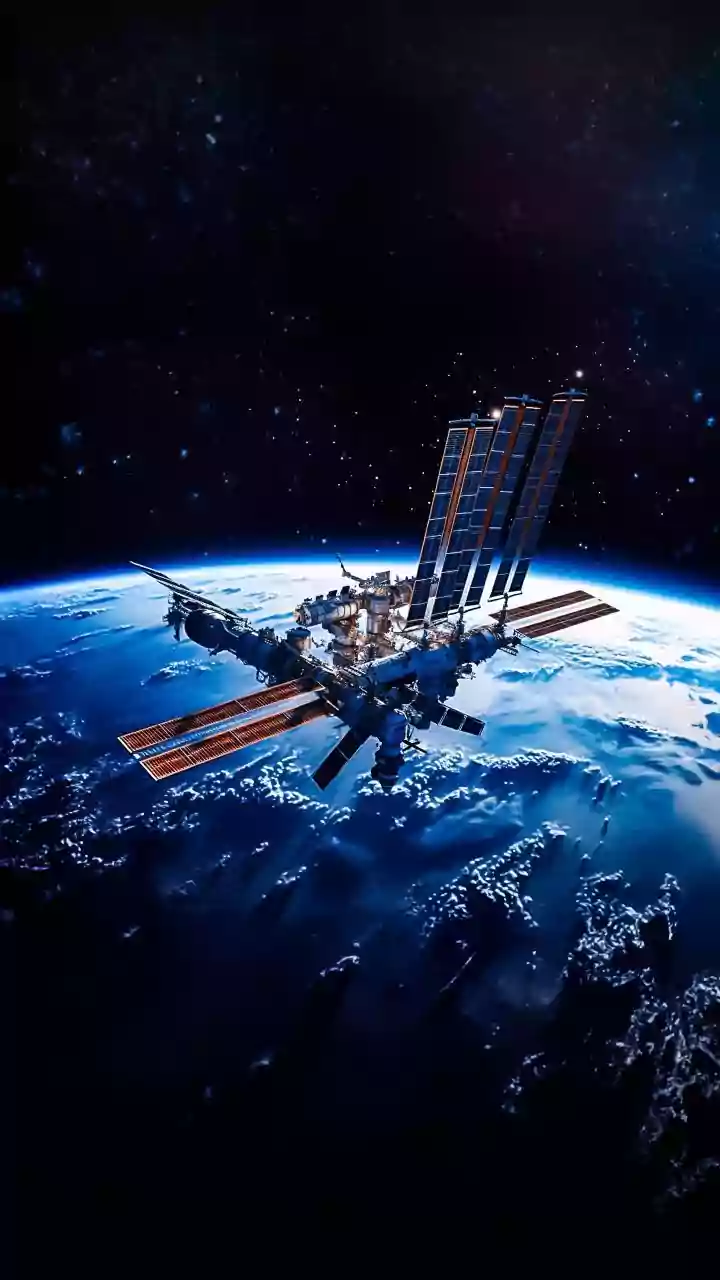
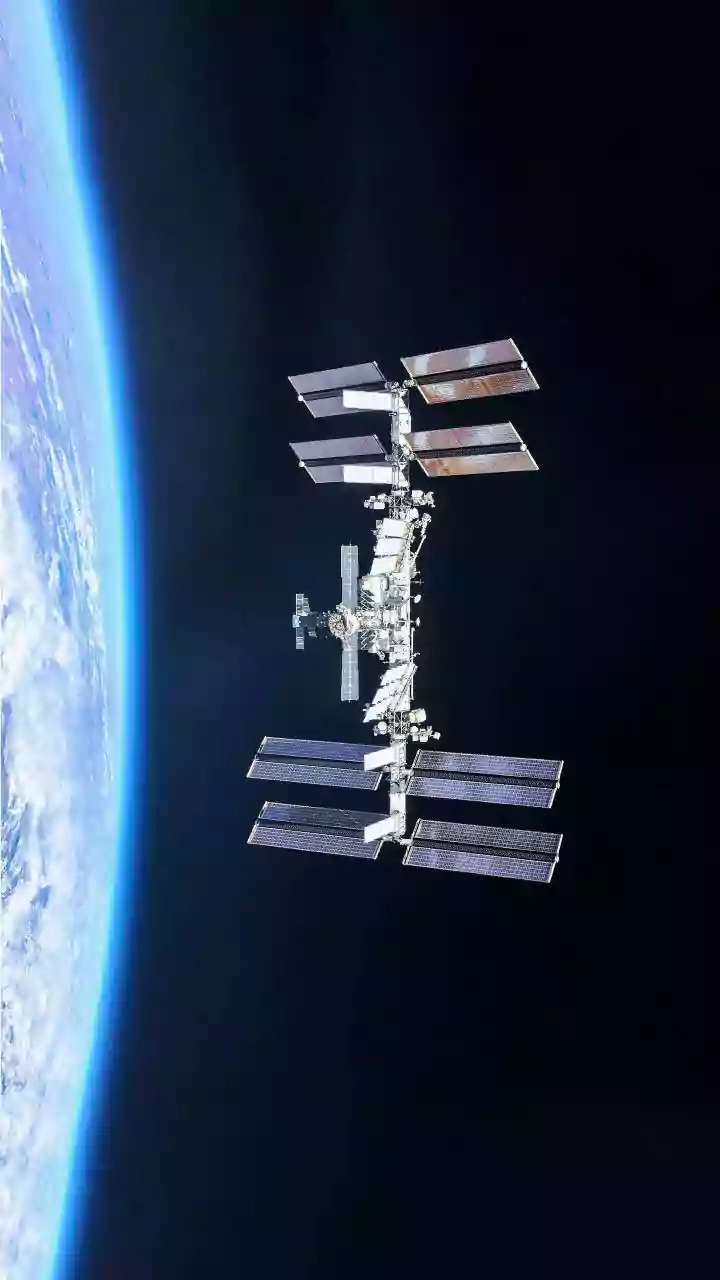
Gaganyaan is not envisioned as a one-off mission but as the foundational step for a long-term Indian presence in space. The government has already outlined an ambitious roadmap that includes establishing the Bharatiya Antariksha Station (Indian Space Station) by 2035 and landing an Indian on the Moon by 2040. The Bharatiya Antariksha Station is planned as a modular facility in low-Earth orbit, enabling long-duration stays for astronauts to conduct scientific experiments in microgravity. The first module is slated for launch around 2028. This long-term vision signals a strategic shift, positioning India as a key player in the future of space exploration and utilization. It also opens the door for civilian specialists to join the astronaut corps in future missions, broadening participation in the national space program.
An Engine for a Billion Dreams
The Gaganyaan mission's impact extends far beyond science and technology. It is a powerful catalyst for national inspiration and economic growth. The program is expected to create around 15,000 employment opportunities and involves collaboration with over 500 industrial enterprises and numerous academic institutions. For the nation's youth, the sight of Indian astronauts travelling in an Indian spacecraft is a potent symbol of what is possible, designed to inspire a new generation to pursue careers in science, technology, engineering, and mathematics (STEM). By capturing the public imagination, the mission reinforces a sense of national unity and confidence, proving that India can not only compete but also lead on the global stage.