



The Post-Monsoon Advantage
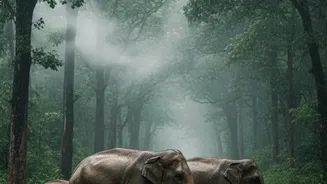
November is a prime time for wildlife holidays in India for several compelling reasons. Most national parks, which close during the heavy monsoon season from July to October, reopen their gates around mid-October or early November. You arrive to find
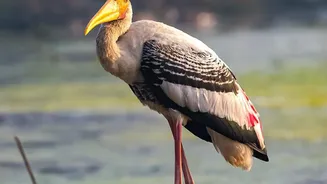
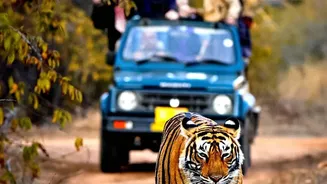
a world reborn. The forests are dense and spectacularly green, the air is crisp, and the dusty trails of summer have been washed clean. While the thick vegetation can sometimes make spotting tigers a bit more challenging than in the dry summer months, the animals are often more active in the pleasant weather. Winter is also the best season for birdwatching, as migratory species arrive in droves, adding another layer of vibrancy to your safari experience. Parks like Jim Corbett and Ranthambore are particularly scenic during this period, offering a comfortable climate and stunning photographic opportunities in the golden light.
Beyond the Resort: A Deeper Connection
While luxury lodges have their place, a community-run homestay offers an entirely different, and arguably richer, experience. Instead of a standardized hotel room, you are welcomed into a local family’s home. This provides an unparalleled opportunity for cultural immersion. You share meals, stories, and daily rhythms with the people who live on the front lines of conservation. These interactions offer authentic insights into the local culture, traditions, and the complex relationship between communities and the surrounding wildlife—something you simply cannot get from a resort. This model fosters a genuine cultural exchange, building mutual respect and understanding between visitors and hosts.
Your Stay as a Conservation Tool
Choosing a community homestay is a direct investment in conservation. When local communities benefit financially from tourism, it creates powerful incentives to protect the natural resources that attract visitors. Ecotourism models centered around community involvement have proven effective in linking conservation with local livelihoods. The income generated from hosting travellers helps reduce dependency on activities that might otherwise harm the environment, such as poaching or unsustainable farming. The revenue stays within the local economy, funding everything from education to small business development, and empowering residents to become guardians of their own environment. In essence, your holiday spending becomes a vital part of the solution, helping to fund the protection of habitats and wildlife.
The Power of Hyper-Local Knowledge
Your homestay host is more than just a provider of accommodation; they are a wellspring of local knowledge. They know the subtle signs of animal movements, the best times to visit certain areas, and stories about the forest that have been passed down through generations. This 'insider' information is invaluable. While official park guides are knowledgeable, a host can offer a different perspective, perhaps pointing you towards a hidden trail for birdwatching or explaining the cultural significance of a particular plant. This hyper-local expertise enriches your wildlife experience, making it more personal and less transactional.
A Genuinely Sustainable Footprint
True eco-consciousness goes beyond just visiting a national park; it extends to every choice you make on your trip. Homestays inherently have a lower environmental footprint than large-scale hotels. They utilize existing structures, reducing the need for new construction that can disrupt ecosystems. They often rely on locally sourced food, minimize waste, and consume less energy and water compared to conventional resorts. By choosing a homestay, you are actively opting for a model of tourism that is designed to be in harmony with its surroundings, ensuring that your adventure does not come at the expense of the environment you came to appreciate. It's a choice that aligns your travel aspirations with a tangible, positive impact.