







Why Green Tea for Plants?
The secret to this gardening hack lies in the composition of tea leaves. Even after brewing, spent green tea leaves are a rich source of organic matter and contain essential nutrients that are vital for plant health. Most notably, they provide a significant
dose of nitrogen, a key component for vigorous, leafy growth. [5, 6, 12] They also contain smaller amounts of phosphorus and potassium, the other two primary macronutrients found in most commercial fertilisers. [4, 5, 10] This combination makes green tea a mild, well-rounded supplement that can support overall plant vitality.
The Science Behind the Sip
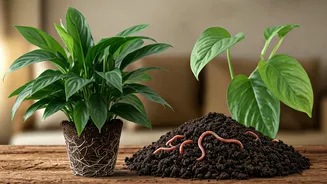
Beyond the basic nutrients, green tea offers other benefits. It contains tannins, which are naturally occurring compounds that can help to slightly lower the pH of your soil. [10, 11] This is particularly beneficial for acid-loving plants. [1, 11] As the tea leaves decompose, they improve the soil’s structure, increasing its ability to hold water and improving aeration around the roots. [1, 10] This process also feeds the beneficial microorganisms in the soil, creating a healthier ecosystem for your plants to thrive in and helping to suppress weeds. [1, 5, 12] Unlike synthetic fertilisers that can sometimes cause root burn, the nutrients in green tea are released slowly, providing a sustained feeding effect. [1, 6]
How to Prepare Your Green Tea 'Fertiliser'
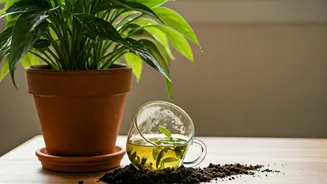
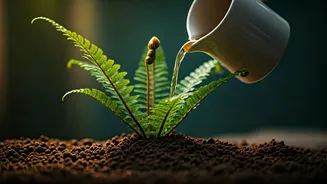
There are two simple ways to share your tea habit with your plants. The first is to use the cooled, brewed tea as a liquid fertiliser. Simply brew your green tea as usual (without any milk, sugar, or flavourings) and let it cool completely to room temperature. [1, 8] You can then use this liquid to water your plants. A weekly application is generally safe and effective. [1] The second method is to use the spent tea leaves. After brewing, allow the leaves to cool and then sprinkle them as a thin layer of mulch around the base of your plants, gently mixing them into the top inch of soil to prevent mould or pests. [1, 5] You can also add the leaves to your compost pile, where they act as a fantastic nitrogen-rich 'green' material. [1, 3]
Best Plants for a Tea Treatment
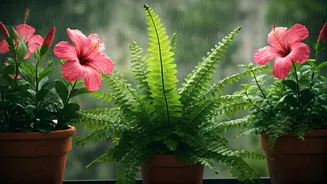
Because tea can increase soil acidity, it’s most effective for plants that prefer these conditions. [1] Houseplants like ferns, spider plants, African violets, and peace lilies often respond well to a weekly tea watering. [1, 10] In the garden, acid-loving plants such as roses, azaleas, rhododendrons, camellias, and blueberries will appreciate the gentle nutrient boost. [1, 5] Many vegetables and herbs, including tomatoes, peppers, and leafy greens, can also benefit. [1, 7, 14] It provides a gentle feeding that encourages healthy foliage and root development. [2, 8]
Cautions and Considerations
While beneficial, green tea is not a complete replacement for a balanced fertiliser program. [6, 7] Think of it as a healthy supplement. Overuse can potentially lead to soil that is too acidic or a nutrient imbalance. [2] When using spent leaves as a top dressing, apply them in a thin layer to avoid creating a dense mat that could encourage mould growth or attract fruit flies. [1, 3] Always use unsweetened, unflavoured, and milk-free tea, as additives can attract pests and harm your plants. [1, 8] It’s also wise to start with a diluted tea or a small amount of leaves on one or two plants to see how they respond before making it a regular part of your gardening routine.