





Understanding Post-Monsoon Hair Damage
During the monsoon, high humidity causes the hydrogen bonds in your hair to swell with excess moisture, leading to a puffy, frizzy texture. As the season changes and the air becomes drier, your hair, which has become porous, starts losing this moisture rapidly.
This sudden dehydration leaves the hair cuticle rough, raised, and prone to breakage, resulting in that dreaded combination of brittle dryness and untamable frizz. The key to managing this is to deeply hydrate and seal the hair cuticle to lock in moisture and restore smoothness.
Keratin: The Smoothing Protein
Keratin is the structural protein that makes up your hair. When hair is damaged, it loses this protein, leading to gaps that make it weak and frizzy. Keratin-infused masks and treatments work by filling in these gaps, which helps to restore the hair's natural structure. This process seals the cuticle, which is essential for eliminating frizz and adding a glossy shine. Using a keratin-based mask once a week can dramatically improve hair texture, making it feel smoother and more resilient against humidity changes. Look for products that list 'hydrolyzed keratin' for a formulation that can penetrate the hair shaft effectively.
Hyaluronic Acid: A Hydration Magnet
Famous in skincare, hyaluronic acid is also a superstar ingredient for parched hair. It's a powerful humectant, meaning it can attract and hold onto more than 1,000 times its weight in water. When used in hair masks or leave-in serums, it draws moisture into the hair fibre, providing deep, lasting hydration without weighing it down. This helps to plump up dry, brittle strands, making them feel softer and appear smoother. It’s particularly effective for fine hair that needs moisture without the heavy feel of some oils.
Natural Oils: The Traditional Nourishers
Natural oils are a cornerstone of Indian haircare for a reason. Coconut oil is exceptional because its molecular structure allows it to penetrate the hair shaft and reduce protein loss, strengthening it from within. Argan oil is rich in fatty acids and Vitamin E, making it perfect for taming frizz and adding a non-greasy shine. For intense dryness, castor oil can be used; its thickness coats the hair, sealing in moisture and helping to prevent split ends. A warm oil treatment before shampooing or adding these oils to a DIY mask can provide a powerful dose of nourishment.
DIY Masks from Your Kitchen
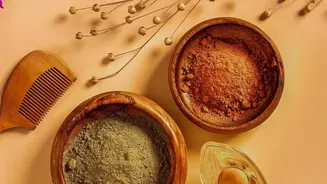
You don't need to look far for effective treatments. A simple mask made from household ingredients can do wonders. For a boost of protein and hydration, mash a ripe banana and mix it with two tablespoons of yogurt and one tablespoon of honey. Bananas are rich in potassium and natural oils, while yogurt's lactic acid gently cleanses the scalp and honey acts as a natural humectant. Another excellent option for strengthening weak roots is a hibiscus mask; soak a few petals overnight, grind them into a paste, and apply to your scalp and hair for 30 minutes before washing.
How to Choose the Right Product
When browsing for a store-bought mask, read the ingredient list. Look for terms like 'hydrolyzed keratin', 'hyaluronic acid', 'shea butter', 'argan oil', and 'glycerin'. Avoid products with a high concentration of drying alcohols. If your hair is fine, opt for lightweight serums and masks that specify volumizing or non-greasy hydration. For thick, coarse, or curly hair, richer, cream-based masks with ingredients like shea butter and coconut oil will provide the intense moisture needed to combat severe dryness and frizz. Always patch-test a new product to ensure you don't have a reaction.