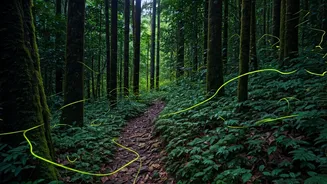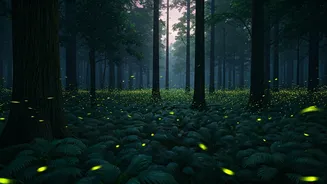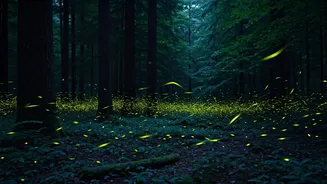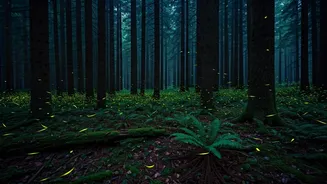






A Symphony of Light
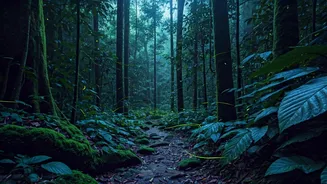
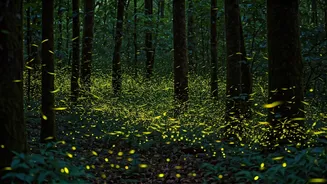
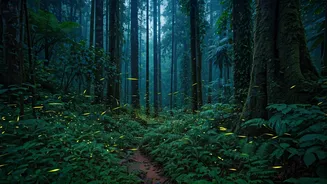
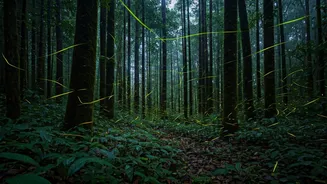
Every year, just before the monsoon rains arrive, certain forests in the Western Ghats come alive with one of nature’s most magical phenomena: synchronous firefly congregations. This isn't just a few stray fireflies blinking randomly. We're talking about
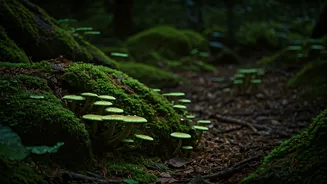
tens of thousands, sometimes millions, of male fireflies flashing their lights in perfect rhythm. The entire forest pulses with a silent, coordinated beat, creating waves of light that ripple through the trees. For those who witness it, the experience is often described as otherworldly, a silent, living galaxy brought down to earth. The specific timing, typically from late May to mid-June, is crucial, as the fireflies use this brief window to perform their spectacular mating dance before the heavy rains begin.
The Science Behind the Spectacle
What drives this mesmerising display? It's all about romance and communication. The light produced by fireflies is a form of bioluminescence, a chemical reaction within their bodies that generates 'cold light' with nearly 100% efficiency. Male fireflies flash in specific patterns to attract females of the same species. But why the synchrony? Scientists believe that by flashing together, the males increase their collective visibility, making it easier for females to spot them from a distance. It’s a cooperative strategy that turns a chaotic field of individual signals into one powerful, unmissable beacon. This behaviour is rare, observed in only a handful of firefly species worldwide, making the display in the Ghats incredibly special.
Prime Viewing Hotspots
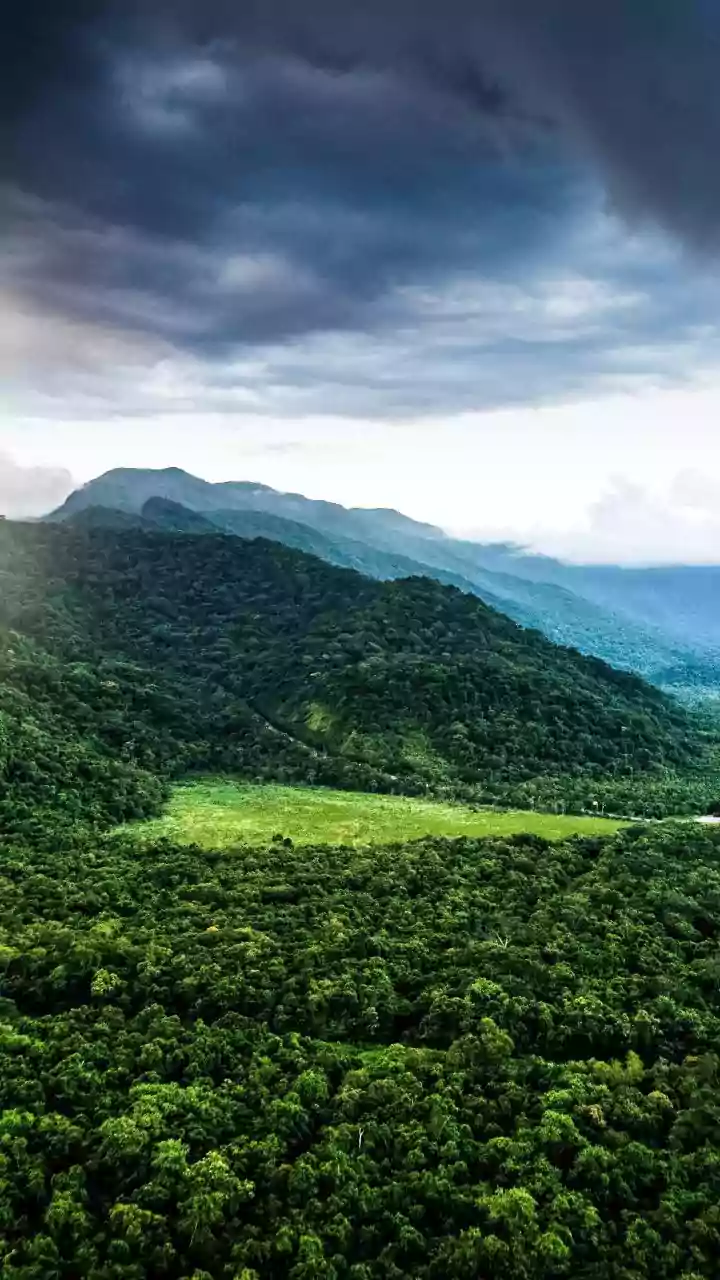
While fireflies are found in many parts of India, these large-scale synchronous displays are concentrated in specific, undisturbed forest areas. The Anamalai Tiger Reserve (ATR) in Tamil Nadu has become a famous hub, with tribal communities in the area helping to manage eco-tourism and protect the fireflies. In Maharashtra, areas like Bhandardara, Purushwadi, and the Radhanagari Wildlife Sanctuary are renowned for their annual firefly festivals. These events attract nature lovers from across the country. The key is to visit during the pre-monsoon peak, when humidity is high and the air is still, providing the perfect conditions for the fireflies’ light show. Booking with local guides or eco-tourism groups is highly recommended, as they know the exact locations and best times for viewing.
More Than Just a Pretty Light
Beyond their beauty, fireflies are vital ecological indicators. Their presence signals a healthy, balanced ecosystem with clean water and minimal pollution. Fireflies are sensitive creatures, and their populations are threatened by a combination of factors. Habitat loss due to deforestation, the overuse of chemical pesticides in agriculture, and, most significantly, light pollution are causing their numbers to dwindle globally. Artificial lights from cities, roads, and even homes can disrupt their flashing patterns, confusing their mating rituals and preventing them from reproducing. Protecting their dark forest habitats is not just about preserving a beautiful spectacle; it's about safeguarding the health of the entire ecosystem they inhabit.
How to Be a Responsible Viewer
To ensure these magical insects continue to thrive, it's crucial to watch them responsibly. First and foremost, leave your lights behind. Avoid using flashlights, mobile phone screens, or camera flashes, as this artificial light can severely disrupt the fireflies. Stick to designated trails and avoid trampling on vegetation where larvae and females might be resting. Maintain silence and move slowly to avoid disturbing them. Never attempt to catch or handle the fireflies. The best way to enjoy the show is to simply find a quiet spot, let your eyes adjust to the darkness, and immerse yourself in the silent, rhythmic glow of the forest.