





A New Chapter for North Indian Routes
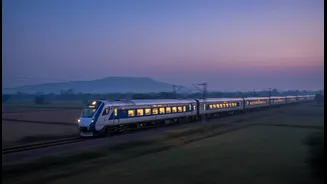
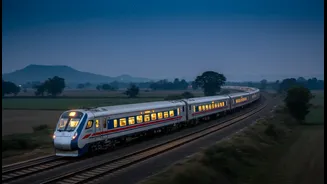
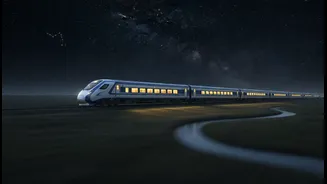
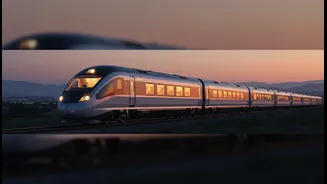
Indian Railways is set to launch its second Vande Bharat sleeper service, the Sant Ravidas Express, on July 17, 2026. This train will connect two major cultural and economic hubs: Varanasi in Uttar Pradesh and Chheharta, near Amritsar, in Punjab. The
route is strategically significant, linking eastern Uttar Pradesh with Punjab via critical cities like Lucknow, Bareilly, and Ludhiana. This move signals a focused effort to modernize some of the country's most densely travelled corridors, which have long relied on the venerable but aging Rajdhani and other express trains for overnight connectivity. The introduction of this service follows the successful launch of the first sleeper Vande Bharat between Howrah and Guwahati in January 2026, which has already demonstrated strong passenger demand.
Engineered for Speed and Comfort
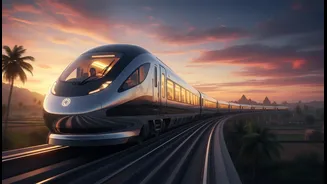
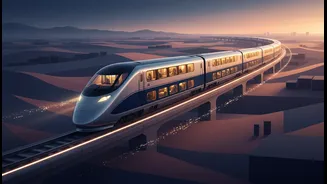
What sets the Vande Bharat sleeper apart is its underlying technology. Unlike traditional locomotive-hauled trains, these are self-propelled trainsets, where power is distributed across the coaches. This design allows for much faster acceleration and deceleration, trimming precious hours off journey times. Capable of reaching speeds of 160 km/h, the new sleeper trains are designed to significantly reduce travel durations compared to their predecessors. The aerodynamic front and advanced suspension system ensure a smoother, quieter ride with fewer vibrations, a common complaint on older long-distance trains. This combination of speed and stability is at the core of the new premium overnight travel experience Indian Railways aims to deliver.
Inside the ‘Hotel on Wheels’
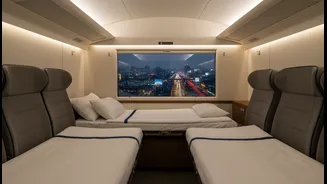
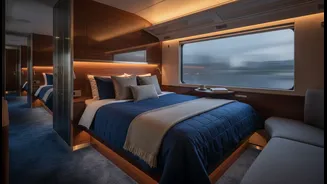
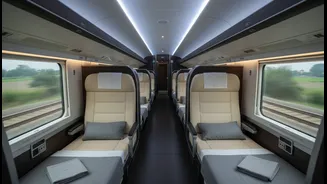
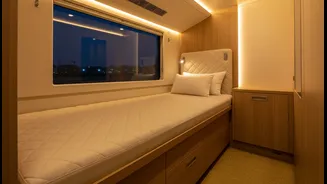
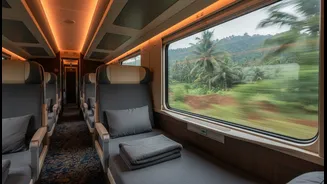
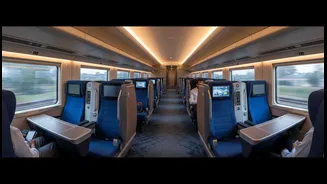
The passenger experience has been completely re-imagined. The train features a three-class configuration: AC First Class, AC Two-Tier, and AC Three-Tier. Berths are designed to be wider and better cushioned for improved sleep. Thoughtful details include sensor-based ambient lighting, individual reading lamps, and conveniently placed charging sockets for every passenger. A significant upgrade comes in the form of enhanced hygiene, with bio-vacuum toilets equipped with odour-control systems and touchless taps. For First AC passengers, there's even the luxury of a hot shower facility. Safety is also paramount, with CCTV cameras throughout the coaches and the indigenous Kavach anti-collision system integrated into the train's controls.
Challenging the Rajdhani Legacy
For decades, the Rajdhani Express has been the gold standard for premium overnight travel in India. The Vande Bharat sleeper is poised to become its direct successor and competitor. While Rajdhani trains can reach speeds of 140 km/h on certain stretches, the Vande Bharat's superior acceleration on most parts of the network will give it a consistent edge in overall journey time. The interiors are a clear step up, moving from functional to modern, with fully sealed gangways to reduce noise and dust, and automatic doors for enhanced safety and climate control. While fares are expected to be marginally higher than Rajdhani services, the promise of a faster, more comfortable, and reliable journey is expected to attract a new generation of travelers.
The Broader Vision for Indian Railways
The launch of the second sleeper Vande Bharat is not an isolated event but part of a broader, ambitious plan to modernize the entire Indian Railways network. These trains are a cornerstone of the 'Make in India' initiative, with design and manufacturing handled domestically by entities like the Integral Coach Factory (ICF) and BEML. With plans to roll out dozens more sleeper routes, Indian Railways is aiming to create a comprehensive network of high-speed, high-comfort overnight services. This strategic shift prioritizes passenger experience and aims to make train travel a competitive and attractive alternative to flights and road transport for long-distance journeys, boosting regional economies and tourism in the process.