
When winter arrives, the Pink City sheds its summer heat and blossoms. The mild sun and cool breeze make it the perfect time to explore Jaipur's royal grandeur, making it an ideal winter destination in Rajasthan. Here are ten attractions you cannot miss.
Hawa Mahal
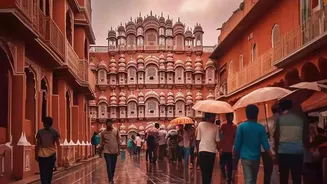
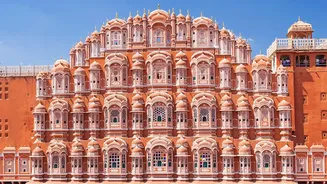
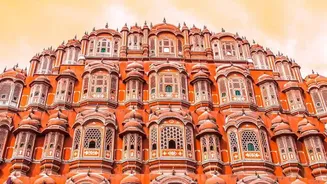
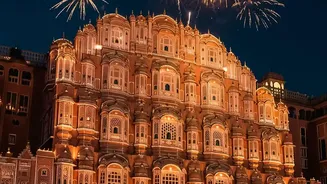
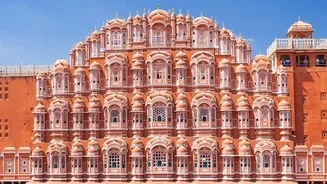
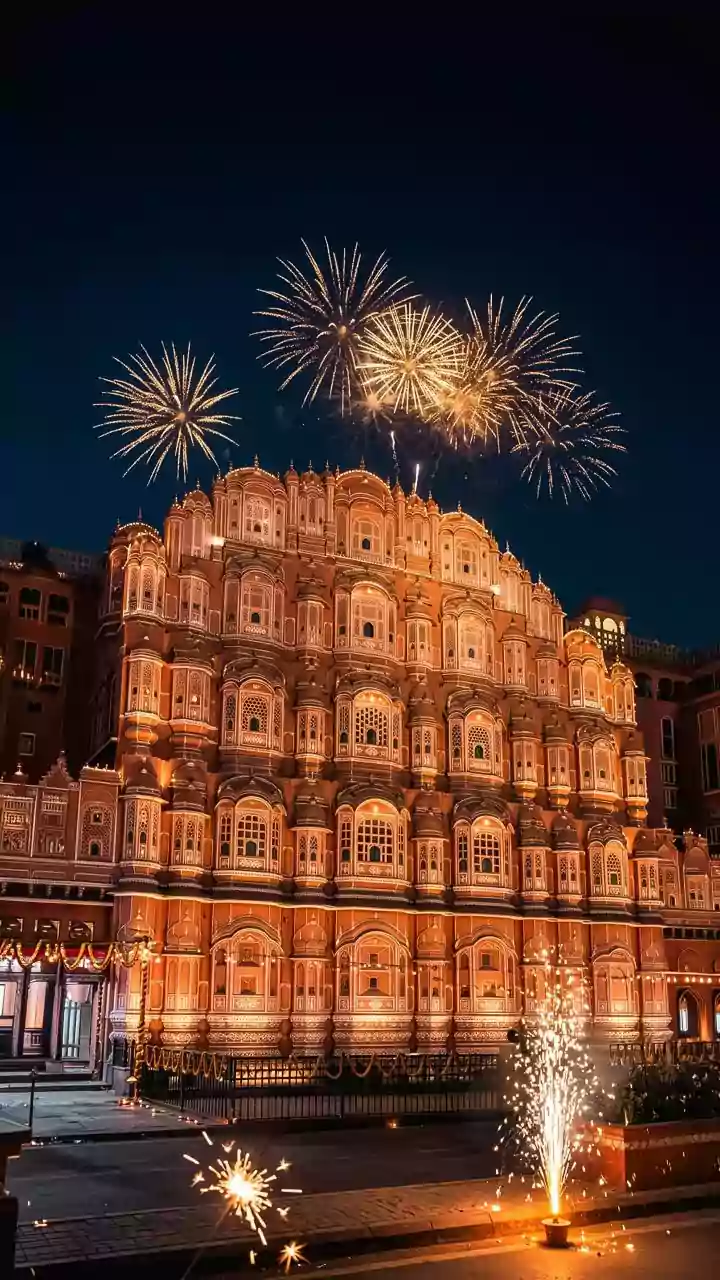
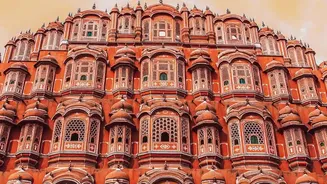
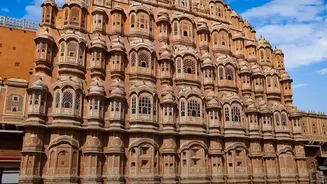
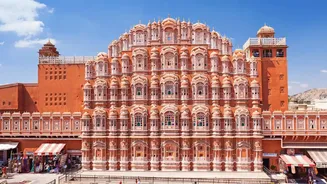
Instantly recognizable, the 'Palace of Winds' is Jaipur’s most famous landmark. This five-storey facade of pink sandstone, with its 953 intricately latticed windows, was built in 1799 for royal women to observe street festivities unseen. In winter, the morning sun bathes the structure in a soft, golden light, perfect for photography from one of the facing rooftop cafes. The pleasant weather allows for a comfortable exploration of its narrow corridors and breezy chambers. Visiting hours are typically from 9:00 AM to 5:00 PM.
City Palace
Located in the heart of the old city, this sprawling complex is a magnificent blend of Rajput and Mughal architecture. It continues to be the residence of Jaipur's royal family. The winter sun beautifully illuminates its grand courtyards, ornate gateways, and colourful doors. Inside, you can explore the Mubarak Mahal, now a museum displaying royal textiles, and the Chandra Mahal with its opulent private rooms. The clear, cool days are ideal for wandering through its various museums and galleries without the oppressive heat of summer.
Amer Fort
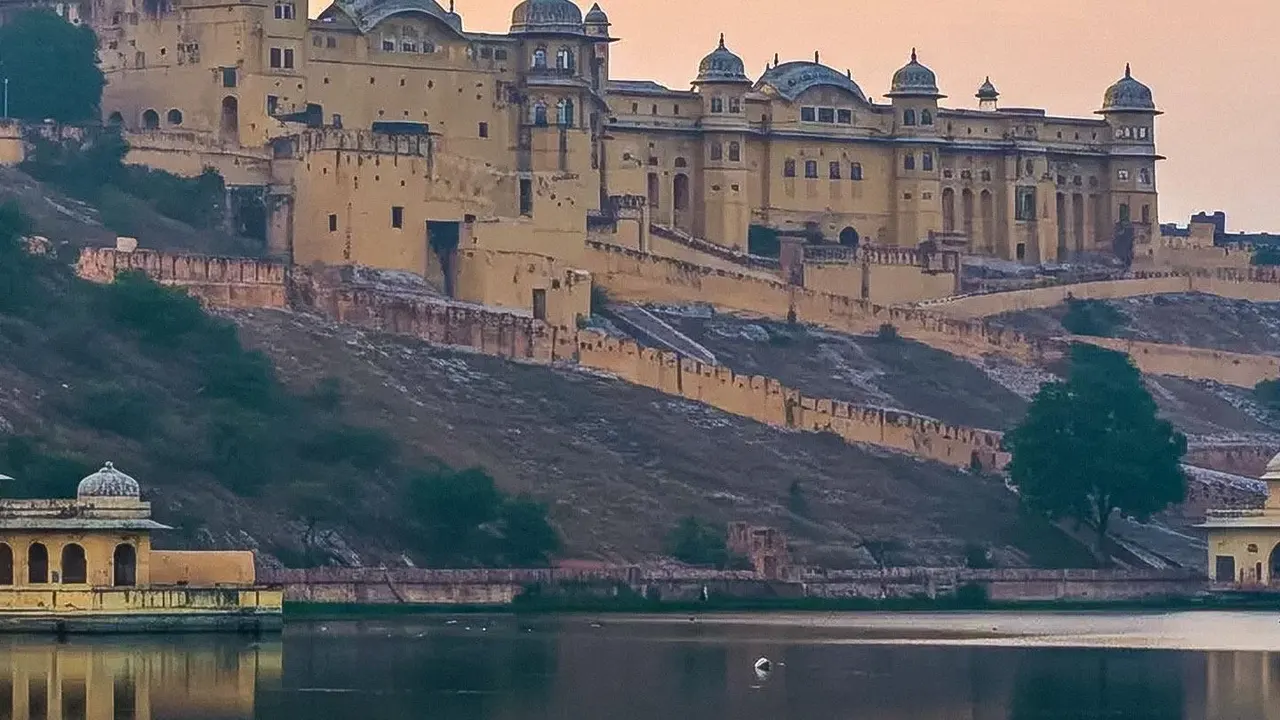
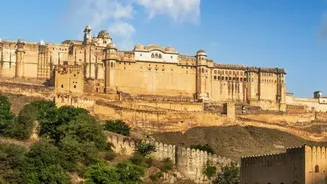
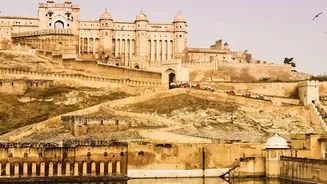
Perched on a hill 11 kilometres from the city, Amer Fort is a UNESCO World Heritage Site of immense scale and beauty. Its vast courtyards, palaces, and halls are best explored in the gentle winter mornings. Key highlights include the Sheesh Mahal (Mirror Palace), a dazzling hall of mirrors, and the intricate Ganesh Pol gate. The pleasant temperatures make the walk through the fort enjoyable. In the evening, the fort hosts a spectacular light and sound show that narrates its rich history, a perfect end to a winter day.
Jantar Mantar
Adjacent to the City Palace, this UNESCO World Heritage Site is an extraordinary open-air observatory. It features a collection of nineteen giant astronomical instruments built in the 18th century by Maharaja Sawai Jai Singh II. A visit during a clear winter day is perfect, as the instruments rely on sunlight to function. Midday is often recommended to see the sundials at their most accurate. A guide is highly recommended to understand how these complex stone structures were used to track celestial bodies with remarkable precision.
Nahargarh Fort
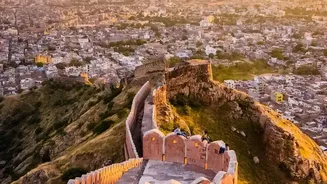
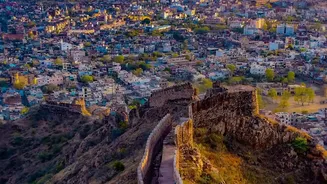
For the most breathtaking panoramic views of Jaipur, head to Nahargarh Fort. Sitting on the Aravalli Hills overlooking the city, it's the ultimate sunset spot. In winter, the skies are often clear, offering a magical spectacle as the sun sets and the city lights begin to twinkle below. Arrive in the late afternoon to explore the Madhavendra Bhawan, a series of interconnected suites built for the queens, before finding a spot on the ramparts to watch the evening unfold. Remember to bring a jacket, as it can get chilly after sunset.
Albert Hall Museum
Located in Ram Niwas Garden, this is Rajasthan's oldest museum and a stunning example of Indo-Saracenic architecture. The pleasant winter weather makes it ideal for a leisurely visit, allowing you to explore both the museum's extensive collection of artefacts and the surrounding gardens. The building is particularly beautiful when illuminated at night, a sight that is more comfortable to enjoy during the cool, dry winter evenings.
Johari Bazaar
A trip to Jaipur is incomplete without experiencing its bustling markets. Johari Bazaar, or the jeweller's market, is a vibrant hub for everything from precious gems and Kundan jewellery to traditional textiles like Bandhani and Leheriya sarees. The cooler winter weather makes strolling through its lively lanes a pleasure. The market is a fantastic place to shop for souvenirs and witness the city's rich craft traditions. Most shops are open from the morning until late in the evening.
Jal Mahal
The 'Water Palace' appears to float serenely in the middle of Man Sagar Lake, creating a picturesque scene. While entry into the palace itself is restricted, the view from the promenade is iconic. During winter, the visibility is clear, and the calm lake often provides a beautiful reflection of the palace, especially during sunrise and sunset. The cool evenings are a great time to stop by, take photos, and enjoy the tranquil atmosphere away from the city's bustle.
Jaigarh Fort
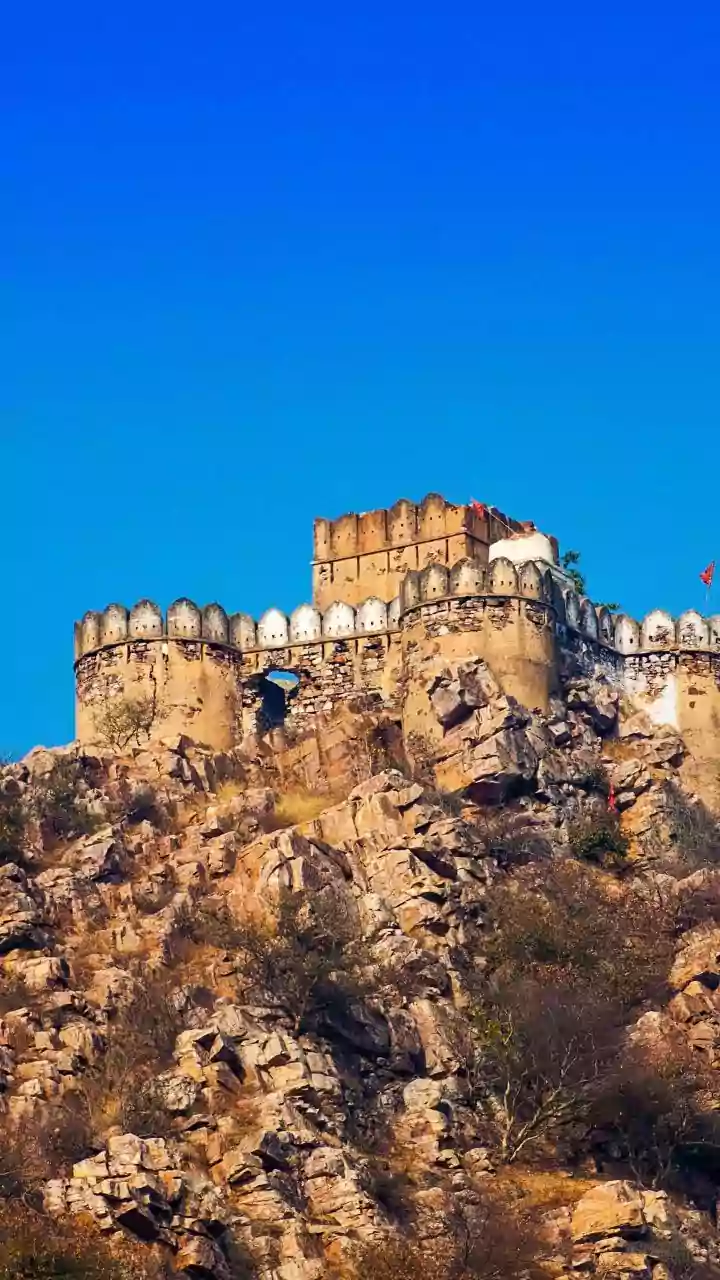
Connected to Amer Fort by subterranean passages, Jaigarh Fort was built as a defensive structure. It is most famous for housing the Jaivana, which was the world's largest cannon on wheels at the time of its manufacture in 1720. The comfortable winter climate is perfect for exploring this rugged military fort and its extensive grounds. The fort offers commanding views of the Aravalli hills and Amer Fort below, making the walk along its ramparts a rewarding experience.
Birla Mandir
Also known as the Lakshmi Narayan Temple, this modern marvel is constructed entirely of white marble that seems to glow, especially in the evening when it is illuminated. Dedicated to Lord Vishnu and Goddess Lakshmi, the temple's serene atmosphere provides a peaceful retreat. The intricate carvings on the walls depict mythological scenes, and uniquely, the outer walls also feature figures like Socrates and Christ. A visit during a cool winter evening to witness the aarti is a tranquil experience.