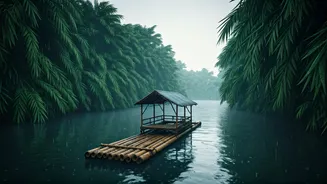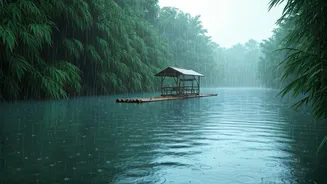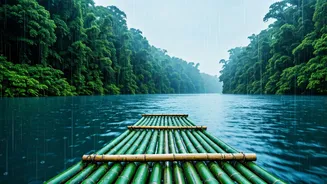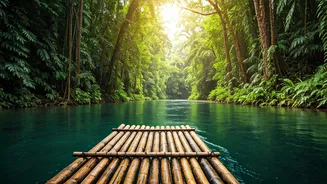

Why Bamboo Rafting?
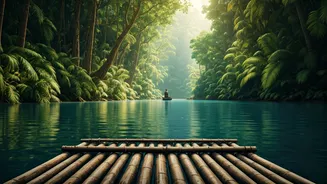
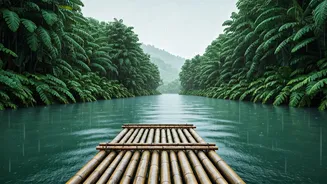
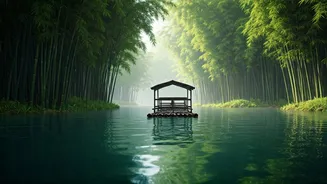
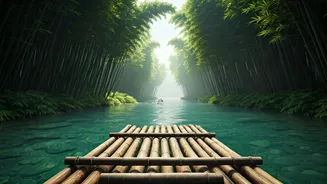
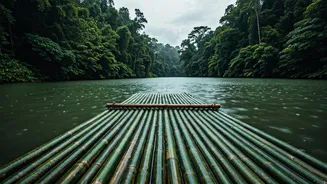
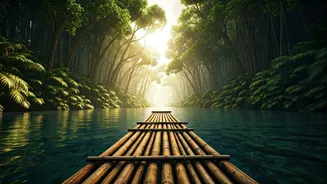
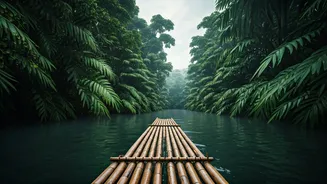
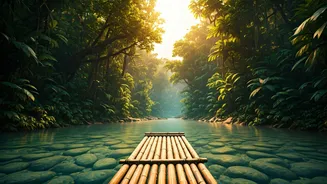
Unlike the adrenaline rush of white-water rafting, which often pauses during the peak monsoon due to dangerous currents, bamboo rafting is a serene, contemplative experience. It’s about slow travel. It’s the gentle creak of bamboo poles tied together,
the soft splash of the punt pole, and the chance to see a world that comes alive with the rains. You're not fighting the river; you're flowing with it. This gentle pace makes it perfect for spotting wildlife, birdwatching, or simply soaking in the lush greenery that's at its most magnificent during this season. It's a chance to connect with nature in its most tranquil and restorative state, turning the monsoon from a season of confinement into one of quiet exploration.
Thekkady, Kerala: A Wildlife Spectacle
The Periyar Tiger Reserve in Thekkady is arguably the most iconic bamboo rafting destination in India. The programme, run by the forest department, combines a trek through the moist deciduous forests with a rafting expedition on the Periyar Lake. The monsoon breathes life into the jungle, and the animals are often more active. As you float on the calm waters, your raft, made and maneuvered by local tribal guides, offers a silent, unobtrusive platform. Look out for elephants, gaur, sambar, and a dazzling array of birdlife coming down to the water’s edge. The experience is deeply immersive, a three-hour journey that feels like stepping into a nature documentary. It’s less about adventure and more about a profound connection with one of India’s richest ecosystems.
Wayanad, Kerala: The Island Escape
In the heart of Wayanad lies Kuruva Dweep, a protected river delta comprising a cluster of uninhabited islands on the Kabini River. Access to the islands is often via simple, sturdy bamboo rafts. The monsoon swells the river, making the journey across feel like a genuine expedition. The ride is short but incredibly scenic, surrounded by dense, evergreen forests that hum with the sound of insects and birds. Once on the island, you can walk through pristine nature trails. The rafting here isn't the main event but the beautiful, rustic gateway to one. It encapsulates the spirit of Wayanad – eco-conscious, deeply connected to its natural heritage, and offering a peaceful respite from the noise of modern life.
Dandeli, Karnataka: The River Kali’s Gentle Side
While Dandeli is famous for its thrilling white-water rafting on the River Kali, the monsoon season reveals the river’s gentler personality. Many resorts and tour operators offer tranquil bamboo raft journeys on the calmer stretches of the river. This is a chance to see the Western Ghats in all their rainy glory. The forests here are dense and ancient, and the river is your corridor through them. It’s an ideal activity for families or anyone looking for a soft adventure. The stillness of the raft allows you to appreciate the sheer scale of the surrounding wilderness, with opportunities to spot hornbills and other endemic birds. It's the perfect counterpoint to Dandeli’s more high-octane activities.
Coorg, Karnataka: Floating Through the Coffee Lands
Known as the Scotland of India, Coorg’s rolling hills and coffee plantations become impossibly green during the monsoon. While the mighty Cauvery river flows through it, several homestays and resorts located near its calmer tributaries offer bamboo rafting. Imagine floating on a misty morning, surrounded by the aroma of wet earth and coffee blossoms. The experience is often private and curated, taking you through sections of the river flanked by private estates and wild foliage. It’s an intimate way to experience Coorg’s legendary landscape, far from the tourist crowds. This isn't about covering distance; it’s about finding a quiet spot on the water and letting the beauty of the monsoon wash over you.