



The New Definition of Fast Food
For decades, convenience in the Indian kitchen meant reaching for a ready-to-eat packet. While these options filled a gap, a shift is underway. Driven by rising health consciousness and a greater awareness of ingredients, many are looking beyond foods
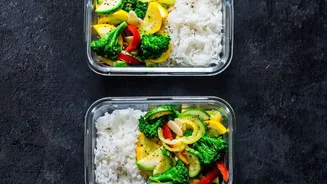
high in sodium and preservatives. This isn't about abandoning convenience altogether; it's about upgrading it. The new benchmark is a fresh, flavourful, and nutritious meal that can be on the table in 30 minutes or less. This trend acknowledges the realities of modern life—long work hours and busy schedules—but refuses to compromise on health. It bridges the gap between time-consuming traditional cooking and the often unhealthy nature of older 'instant' options.
What's Driving the 30-Minute Meal?
Several factors are stirring this pot. The post-pandemic era has solidified a focus on wellness and immunity, with a clear link drawn between diet and health. More than half of Indian consumers actively manage their diet, and many plan to increase their intake of fibre, protein, and superfoods. Urbanisation and the rise of dual-income nuclear families mean less time for elaborate meal preparation. Yet, the desire for the comfort and control of a home-cooked meal remains strong. This creates the perfect environment for the 30-minute meal to thrive—it offers the control over oils, spices, and freshness that takeout lacks, without demanding hours in the kitchen.
Smarter Cooking, Not Harder Cooking
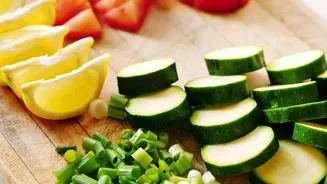
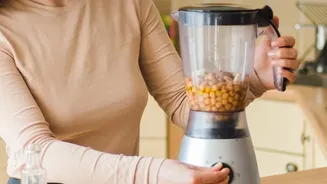
This movement isn't about finding magical recipes that cook themselves. It’s about adopting smarter strategies. Meal prepping, once seen as a niche habit, is becoming mainstream in Indian kitchens. This can be as simple as boiling extra potatoes, making a big batch of dal, preparing a base gravy for curries, or pre-chopping vegetables over the weekend. These small steps drastically cut down cooking time on busy weekdays. The result is that a seemingly complex dish like a paneer stir-fry or a spinach and chickpea curry can be assembled in just 15-20 minutes, because the foundational work is already done. This approach transforms cooking from a daily chore into a manageable, creative process.
More Than Just Khichdi
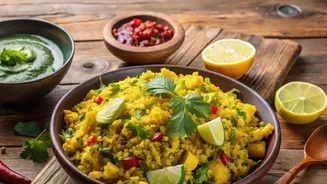
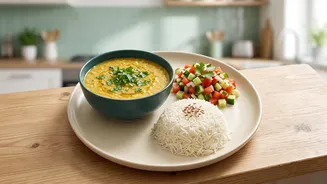
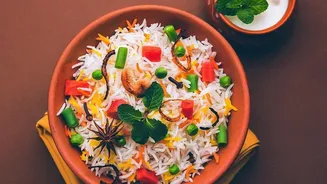
While classic one-pot meals like khichdi remain a go-to for a quick, gut-friendly dinner, the modern 30-minute menu is incredibly diverse. Home cooks are experimenting with everything from Mediterranean baked fish and sheet-pan salmon to quick kale pasta and Asian-inspired rice bowls. Indian cooking itself is being adapted for speed. Quick-cooking lentils like masoor or moong dal, paired with a simple tadka, create a protein-packed meal in under 15 minutes. The focus is on clean labels, fresh ingredients, and balanced nutrition, with an emphasis on protein and fibre to ensure meals are satisfying. This variety ensures that quick cooking never becomes boring, making it a sustainable habit rather than a temporary fix.
The Rise of the Empowered Home Chef
Ultimately, the embrace of the 30-minute healthy meal signifies a larger trend: the empowerment of the home cook. With access to countless online recipes, video tutorials, and quick grocery delivery platforms, individuals have the tools to take control of their nutrition. Cooking is shifting from a perceived obligation to a form of self-care and creativity. It's about making conscious choices and finding joy in preparing a meal that is both delicious and nourishing, even when time is short. This trend proves that in the modern Indian kitchen, you don't have to choose between what's fast and what's good for you.