
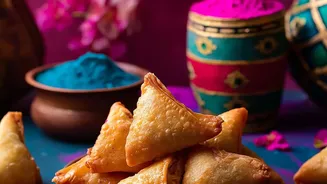
A Familiar Plate, A New Story
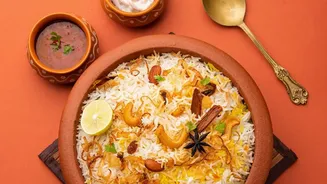
The heart of any Indian festival is food, a culinary tapestry woven with recipes passed down through generations. The familiar aroma of a grandmother's dal or the specific spice blend of a family's signature curry are markers of home and celebration.
Yet, a quiet but delicious revolution is taking place. Across the country, home cooks and professional chefs are creatively infusing global ingredients and techniques into these cherished dishes. This isn't about replacing tradition, but expanding it. Think less of a complete overhaul and more of an exciting new chapter. The contemporary Indian consumer is increasingly experimenting with international cuisines and new formats. This trend shows that while diners are curious about global flavours, the strongest innovations are those that retain a point of familiarity.
Chefs and Home Cooks Lead the Way
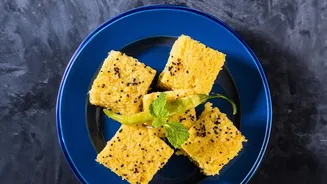
This culinary shift is happening at every level, from five-star hotel kitchens to family dining tables. Renowned chefs are reinterpreting regional classics with a modern, global lens. For instance, some chefs are transforming dishes like dal dhokli into a tagliatelle-style pasta or pairing dahi bhalla with feta cheese. This professional push normalises experimentation and provides inspiration. At home, the drivers are more personal: a generation exposed to global food trends through travel and the internet, a desire to create something novel for festive gatherings, and the easy availability of international ingredients. Quick commerce has accelerated this change, giving households access to a diverse range of food options that were once considered niche. The result is a vibrant, democratic movement where anyone can participate in reshaping their culinary heritage.
When East Deliciously Meets West
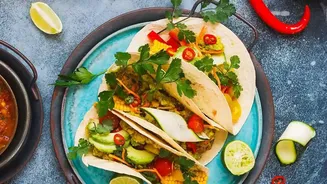
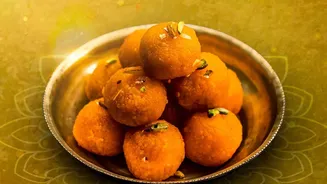
The possibilities of this fusion are endless and often lead to mouth-watering results. On the savoury side, Paneer Tikka Tacos have become a popular creation, blending the smoky flavours of marinated Indian cottage cheese with the beloved format of a Mexican taco, often served with a zesty cilantro sauce. In the dessert world, the Gulab Jamun Cheesecake has emerged as a star. This dessert takes the creamy texture of a classic cheesecake and embeds soft, syrup-soaked gulab jamuns within it, often adding hints of saffron, cardamom, or rose water to the base. Another favourite is the Motichoor Ladoo Parfait, which layers crushed ladoos with saffron-infused whipped cream or a thickened rabri, presenting a traditional sweet in a modern, elegant format perfect for festive parties.
Why Is This Happening Now?
Several factors are stirring this pot of culinary innovation. Firstly, there's a growing confidence in Indian cuisine itself. Chefs and home cooks are no longer just recipients of global trends but are actively engaging with them, using Indian flavours as a strong, versatile base. Secondly, the Indian palate is evolving. Urbanisation, rising disposable incomes, and exposure to international food through media and travel have made diners more adventurous. They are curious to try new things but still crave the comfort and emotional connection of familiar tastes. This trend perfectly marries the novel with the nostalgic. It also reflects a broader cultural shift where a younger generation is finding new ways to express its identity—one that is proudly Indian yet comfortably global.
An Evolution, Not a Replacement
It's important to see this trend not as a threat to tradition, but as its natural evolution. Indian cuisine has a long history of absorbing and adapting foreign ingredients, from potatoes and tomatoes brought by traders centuries ago to today's experiments with quinoa and avocado. These ingredients, once foreign, are now inseparable from what we consider 'Indian' food. The current wave of fusion is simply a continuation of this legacy. By incorporating global elements, cooks are keeping festive food traditions alive and relevant for a new generation. The spirit of celebration—of sharing, community, and indulgence—remains unchanged. The flavours, however, are telling a new, more interconnected story.