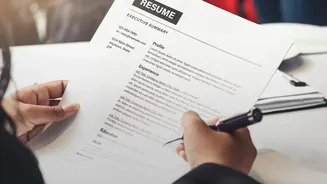








The Perfectly Polished Problem
For decades, the curriculum vitae was the sacred text of recruitment. It was the first, and often only, filter through which companies viewed potential hires. Today, that filter is broken. The rise of accessible AI tools means anyone can generate a flawless,
keyword-optimised CV designed to beat automated Applicant Tracking Systems (ATS). One survey of recruiters found that 81% believe CVs have become more standardised and less distinctive due to AI. This creates a paradox: as companies use AI to sift through applications, candidates are using the same technology to ensure they make the cut. The result is an inbox full of applications that look impressive on the surface but may not reflect genuine experience or skill. This has diluted the value of the CV, forcing a change in how companies find the right talent.
From Credentials to Capabilities
In response, a major shift is underway: companies are moving from relying on credentials to verifying capabilities. This is known as skills-based hiring. The core idea is simple: evaluate candidates on what they can actually do, not just their past job titles or the university they attended. This isn't just a trend; it's a strategic response to a changing market. Research shows that a vast majority of employers, 94% in one study, agree that hiring for skills is more predictive of job performance than relying on a resume. As roles evolve rapidly, especially in technology, a degree or a previous job title is no longer a guarantee of current competence. Recruiters are now tasked with looking beyond the paper to find tangible evidence of a candidate's abilities.
The Rise of 'Proof of Work'
If the CV is no longer the ultimate proof, what is? The answer lies in what many now call 'Proof of Work'. This refers to any tangible evidence that demonstrates your skills and expertise in a real-world context. It’s the principle of 'show, don't tell' applied to your career. For a software developer, this could be a portfolio of active projects on GitHub. For a writer or marketer, it might be a collection of published articles or case studies of successful campaigns. For freshers in India, who often struggle to show experience, building a small, verifiable portfolio of relevant projects can be the key to standing out from thousands of other graduates. The goal is to provide evidence that a recruiter can independently assess, reducing their reliance on the claims made in a CV.
How to Prepare for the New Hiring Landscape
For job seekers, this shift requires a new strategy. Your CV still matters as an introduction, but it's no longer the main event. The focus must be on building and presenting your proof of work. Start by identifying the key skills for your target role and think about how you can demonstrate them. This might involve creating personal projects, contributing to open-source initiatives, or even preparing a case study that solves a hypothetical problem for your dream company. During the hiring process, expect more practical assessments. These can include coding challenges, writing tests, work sample requests, or presentations. Rather than just talking about your skills in an interview, you'll be asked to use them. The new landscape rewards those who can prove their value, making it a more level playing field for talented individuals, regardless of their background.