






What Exactly is Sattu?
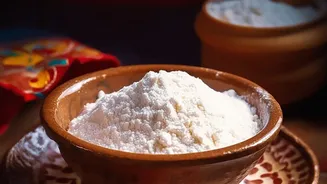
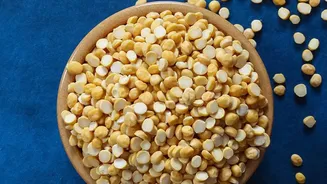
Sattu is a flour made from roasted Bengal gram (chana), and it has been a staple food in states like Bihar, Jharkhand, and Uttar Pradesh for generations. Traditionally known as the fuel for farmers and labourers, this superfood is now gaining widespread
recognition among fitness enthusiasts across India. Unlike other flours, sattu is made from roasted grams, which means it can be mixed into drinks and eaten without cooking. This convenience, combined with its impressive nutritional profile, makes it a uniquely powerful ingredient in a modern diet.
The Nutritional Powerhouse
Don’t let its simple origin fool you; sattu is packed with essential nutrients. A 100-gram serving provides roughly 20-22 grams of high-quality plant-based protein, making it comparable to many commercial protein powders. Beyond just protein, it is rich in dietary fibre (around 7-8g per 100g), complex carbohydrates, and vital minerals like iron, calcium, and magnesium. Sattu also has a low glycaemic index, which means it releases energy slowly, preventing the sugar spikes and crashes associated with many processed foods and drinks.
The Perfect Post-Workout Partner
After a strenuous workout, your body needs two main things: protein to repair muscles and carbohydrates to replenish energy stores (glycogen). Sattu delivers both efficiently. The protein content aids in muscle recovery and growth, while the complex carbs provide sustained energy to refuel your body. Unlike many whey proteins that can be heavy on the stomach for some, sattu is known for being easy to digest. Its high fibre content promotes good gut health, which is crucial for nutrient absorption. It also has natural cooling properties, making a sattu drink incredibly refreshing and hydrating after a sweaty session.
Sattu vs. Whey Protein: The Real Difference
While whey protein offers a higher concentration of protein per scoop (around 24-30g), the comparison isn't just about one number. Sattu provides a more holistic nutritional package with added fibre, complex carbs, and essential minerals that whey protein lacks. For general fitness and overall health, sattu often emerges as a more balanced choice. Perhaps the most significant advantage is the cost. Branded whey protein can be prohibitively expensive, whereas sattu is an incredibly affordable, accessible, and natural alternative without any added sugars or artificial flavours often found in commercial supplements.
How to Incorporate Sattu into Your Routine
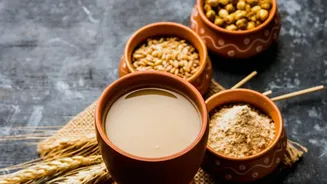
The versatility of sattu is one of its greatest strengths. The most popular way to consume it is as a simple sharbat. Just mix a few tablespoons of sattu powder in a glass of water with a pinch of black salt, roasted cumin powder, and a squeeze of lemon for a savoury, hydrating drink. For a classic post-workout shake, blend sattu with milk (or a plant-based alternative), a banana, and a natural sweetener like jaggery or dates. You can also make high-protein rotis, parathas, or even healthy laddoos for a convenient snack.