





The Study's Shocking Numbers
Researchers at Harvard University recently put a number on the growing environmental footprint of America's digital infrastructure. Their study, published in Nature Sustainability, analyzed 403 of the largest 'hyperscale' data centers in the US between
May 2024 and April 2025. They estimated these facilities alone produced around 25.7 million metric tons of carbon dioxide. To put that in perspective, the emissions from this fraction of US data centers are roughly equivalent to the annual carbon pollution of the entire nation of Denmark. The study also found that these facilities consumed about 1.8% of all electricity in the United States, an amount comparable to the yearly consumption of states like Michigan or Tennessee.
Why Are Data Centers So Power-Hungry?
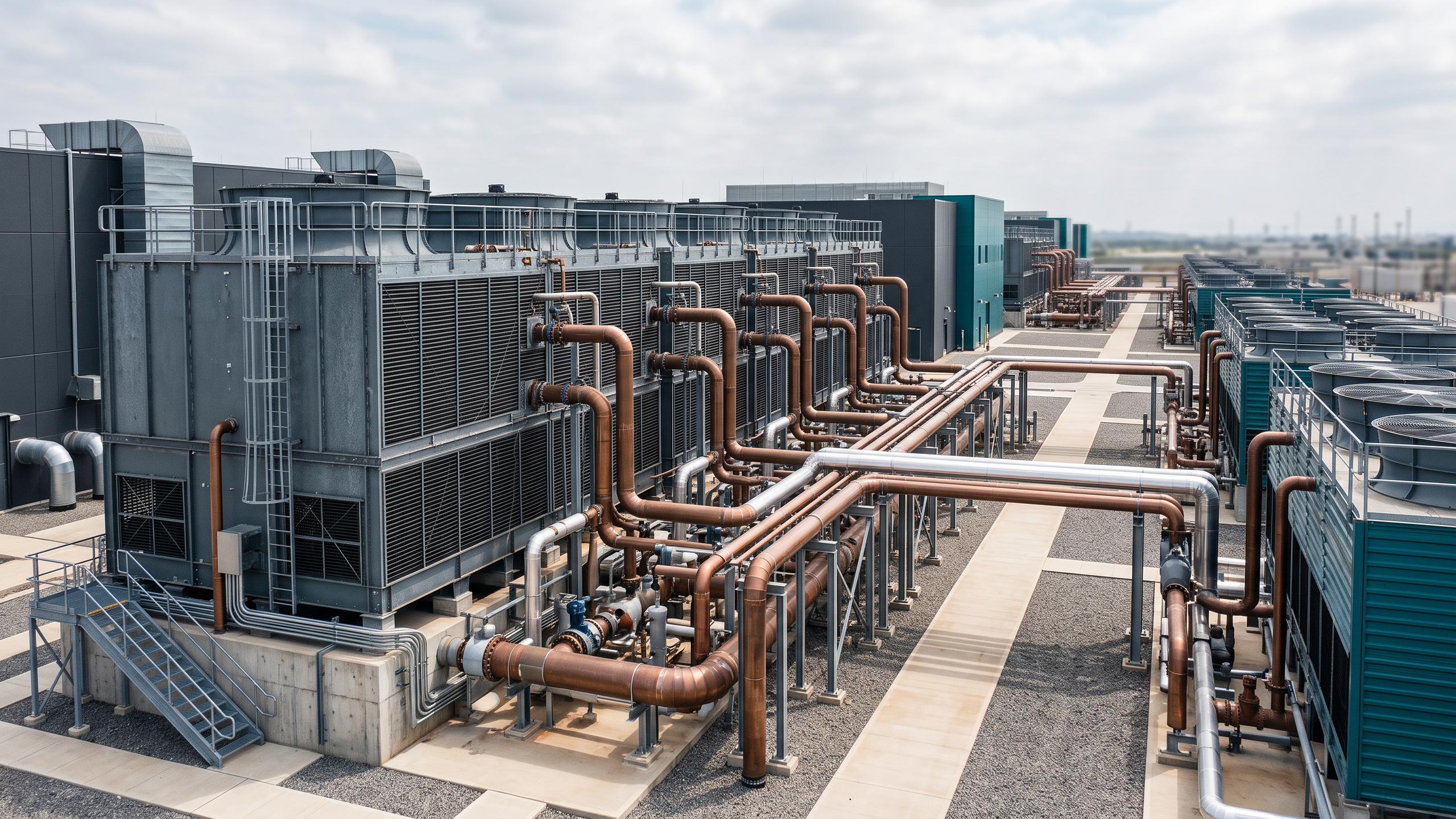
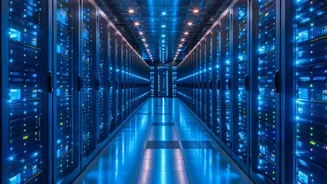
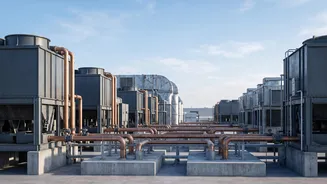
Every email we send, photo we post, show we stream, or question we ask a generative AI passes through a data center. These windowless buildings are the factories of the digital age, housing tens of thousands of powerful computer servers that run 24/7. This constant operation generates an immense amount of heat, which in turn requires massive, energy-intensive cooling systems to prevent the servers from overheating. It's a cycle of high-powered computation and constant cooling that creates a staggering demand for electricity. The researchers noted that more than half of the power consumed by the data centers in the study came from fossil fuels, primarily natural gas and coal.
The AI and Cloud Boom
The primary driver behind this explosive growth in energy demand is the boom in artificial intelligence and cloud computing. Training and running large-scale AI models is a computationally intense process that requires enormous processing power. As more businesses and individuals migrate their data and operations to the cloud, the demand for these hyperscale facilities soars. Projections show that the electricity demand from data centers could more than double by 2030, with AI-related consumption growing even faster. One lead author of the Harvard study noted that since their data collection ended in April 2025, it's already 'ancient history' in AI time, meaning the current figures are likely even higher.
The Hidden Costs Beyond Carbon
While carbon emissions are a major concern, the environmental impact doesn't stop there. Data centers are also incredibly thirsty, using vast quantities of water for their cooling systems. Some facilities can use millions of litres of water a day, putting a strain on local water supplies, especially in drought-prone regions. Furthermore, the rapid construction of new centers requires significant land and materials, including minerals like cobalt, the mining of which is often linked to unsafe working conditions and environmental harm. Local communities near data centers have also reported issues with noise and air pollution, often from the diesel backup generators used to ensure an uninterrupted power supply.
The Push for Greener Data
The technology industry is not blind to this growing problem, and many companies are taking steps to mitigate their environmental impact. A key strategy is a shift toward renewable energy sources, with major tech firms investing in solar, wind, and hydropower to power their operations. Beyond the power source, efficiency is paramount. Innovations in 'free cooling' that use ambient air, advanced liquid cooling technologies, and AI-driven management systems are helping to reduce the energy needed to keep servers at optimal temperatures. Designing buildings with sustainable materials and establishing robust recycling programs for outdated hardware are also becoming standard practice in the push for 'green' data centers.