



A Sacred Landmark in Need of Care
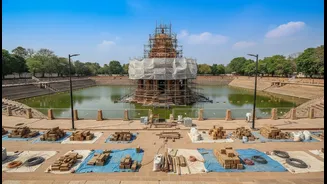
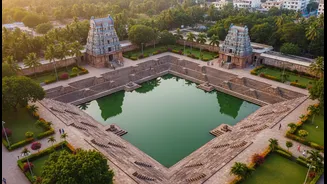
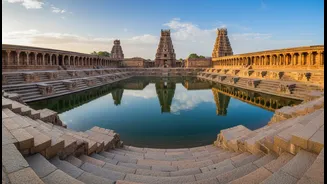
The Vandiyur Mariamman Teppakulam is more than just a large temple tank; it's a cornerstone of Madurai's history. Built in 1645 by King Thirumalai Nayak, this sprawling 16-acre water body is the largest of its kind in Tamil Nadu and the setting for the city's
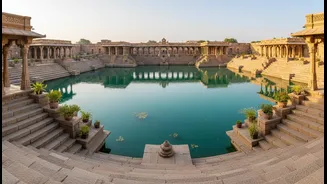
famous annual float festival. Historically, the tank, with its central mandapam and twelve granite stairways, was a marvel of engineering, connected to the Vaigai River through underground channels. However, in recent decades, the area has struggled with issues that plague many urban heritage sites: pollution, encroachment by unregulated eateries, and a general state of neglect that has marred its spiritual and aesthetic appeal. Residents have pointed to problems with waste disposal and haphazard parking, making the area difficult for families to access and enjoy.
A New Vision for an Ancient Space
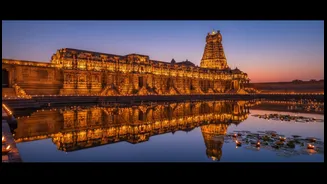
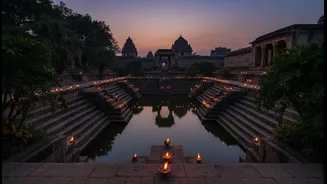
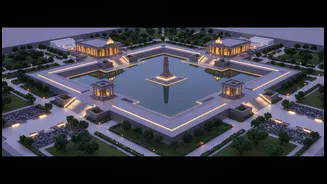
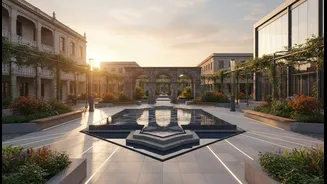
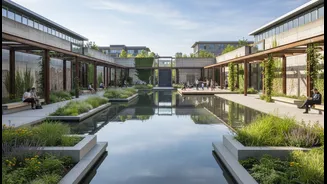
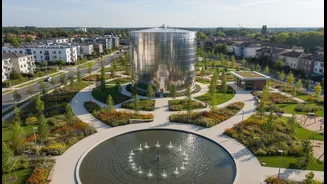
A fresh proposal aims to transform the Teppakulam into a major tourism hub, breathing new life into the historic precinct. Spearheaded by Madurai (South) MLA M M Gopison, the plan envisions a space that is both a vibrant public area and a revered cultural site. Key features of the proposed revamp include the installation of attractive, colourful lighting to beautify the tank and the creation of viewing areas for cultural events. The long-standing dream, as described by the MLA, is to turn the Teppakulam into a world-class destination that boosts footfall from both domestic and international tourists. This initiative is part of a broader push to redevelop and preserve Madurai's heritage, including the nearby Thirumalai Nayakkar Mahal.
A Place for People and Commerce
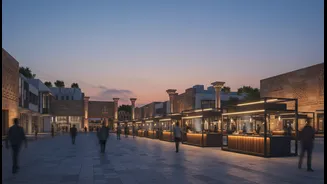
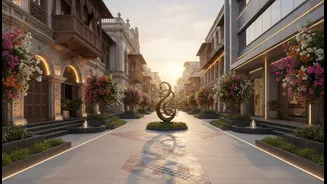
One of the most significant changes involves addressing the chaotic commercial activity around the tank. The current plan includes relocating the numerous shops and food stalls to a new, organised food street nearby. This proposed facility would come equipped with proper parking, sanitation systems, and designated spaces for traders. The goal is twofold: to reduce congestion and improve cleanliness around the sacred tank, and to provide vendors with a more hygienic and structured environment to conduct business. For residents and visitors, this would mean clearer walkways, less pollution, and a more pleasant and accessible recreational space. One local resident expressed hope that a proper food street would make family visits much easier and keep the area clean.
The Delicate Balance of Progress
The Teppakulam revamp is part of a wider conversation in Madurai about managing its urban growth while preserving its soul. The city is already implementing several projects under the Smart Cities Mission, including the redevelopment of the Vaigai riverfront and the Periyar Bus Stand. These projects highlight a recurring challenge: how to modernise infrastructure without erasing historical and cultural identity. For the Teppakulam, success will depend on a sensitive approach. The project must create a functional public space without commercialising it to the point of disrespecting its religious significance. Similar efforts to clear encroachments and beautify the Teppakulam in Tiruchy have focused on creating walking tracks and recreational spaces, offering a potential model.