







What Is High-Intensity Interval Training (HIIT)?
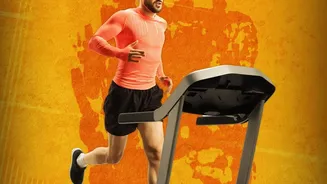
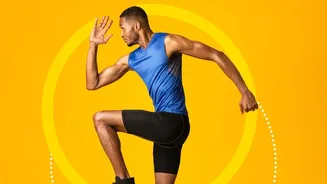
High-Intensity Interval Training, or HIIT, is a workout style that involves short, explosive bursts of all-out effort followed by brief recovery periods. Think of it as a rollercoaster: intense sprints followed by moments to catch your breath. A typical
session involves pushing your heart rate to 80-95% of its maximum for short intervals, like 30 seconds of sprinting, followed by 60-90 seconds of walking or complete rest. The main appeal for busy professionals is its efficiency; a complete and effective HIIT workout can be done in just 15 to 30 minutes.
What Is Low-Intensity Steady-State (LISS) Cardio?
Low-Intensity Steady-State cardio, or LISS, is the opposite. It involves maintaining a consistent, comfortable pace for a longer duration, typically 30 to 60 minutes or more. Activities like brisk walking, light jogging, cycling, or swimming where you can hold a conversation fall under the LISS umbrella. The goal is to keep your heart rate in a lower, steady zone, around 50-65% of your maximum. It's less demanding on the body and focuses on building endurance over explosive power.
The Time Factor: Maximum Results in Minimum Time
For the desk-bound worker, time is the most precious commodity. This is where HIIT shines. Due to its intensity, a 20-minute HIIT session can deliver cardiovascular benefits similar to a much longer LISS workout. It’s the perfect solution for squeezing a powerful workout into a lunch break or a busy morning. LISS, on the other hand, requires a larger time commitment to achieve a similar calorie burn. However, its lower intensity means you can do it more frequently and integrate it into your day, such as a long walk while taking a work call.
Fat Loss: The Afterburn vs. The Slow Burn
Both methods are effective for fat loss, but they work differently. HIIT is famous for the "afterburn effect," scientifically known as Excess Post-Exercise Oxygen Consumption (EPOC). After a session, your metabolism stays elevated for hours, burning extra calories as your body recovers. While LISS burns a higher percentage of fat for fuel during the workout, HIIT often burns more total calories overall when you factor in its intensity and the afterburn effect. However, when total calories burned are equal, both methods produce similar fat loss results; the key is creating a consistent calorie deficit.
Impact on Body and Mind: Stress and Sustainability
A desk job can already contribute to physical and mental stress. HIIT, being highly demanding, places significant stress on your muscles, joints, and nervous system. For beginners or those with high stress levels, too much HIIT can lead to burnout or injury. LISS is much gentler on the body, making it a better option for active recovery days, beginners, or individuals with joint concerns. Furthermore, LISS activities like walking can be meditative and are proven to reduce stress and anxiety, offering a mental escape from a high-pressure job.
How to Choose: The Right Cardio for You
The best workout is the one you will actually stick with. Use these points to decide: Choose HIIT if: - You are extremely short on time and need maximum efficiency. - You enjoy pushing yourself to the limit and find steady-paced cardio boring. - You have some fitness experience and are free from major joint issues. - Your primary goal is improving athletic performance and boosting metabolism quickly. Choose LISS if: - You are a beginner building your fitness foundation. - You want a low-impact workout that is gentle on your joints. - You use exercise to manage stress and decompress. - You want a sustainable activity you can perform daily or on recovery days. A combination of both is often the ideal approach for many people.