





The Soul of the Monsoon Season
Every year, from mid-July to mid-August, Kerala observes Karkidakam, the final month of the Malayalam calendar. Historically a lean period with heavy rains that kept agrarian communities indoors, it became a time for introspection, spiritual practices
like reading the Ramayana, and physical rejuvenation. According to Ayurveda, the monsoon season, or 'Varsha Ritu', is when the body's digestive fire (Agni) is weakest and the Vata dosha is most easily aggravated, making us susceptible to illness. Karkidakam is therefore seen as the ideal time for treatments that cleanse the body and boost immunity. At the heart of this seasonal regimen, known as Karkidaka Chikitsa, is a special medicinal porridge: Karkidaka Kanji.
Not Just Any Porridge
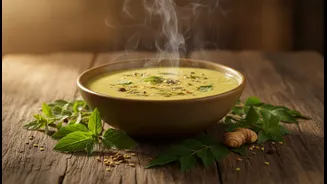
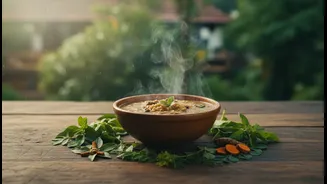
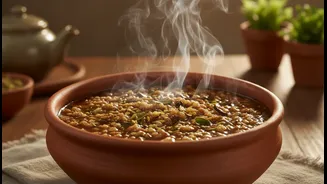
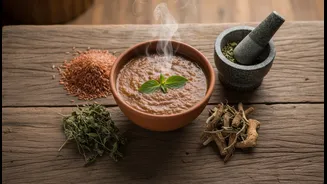
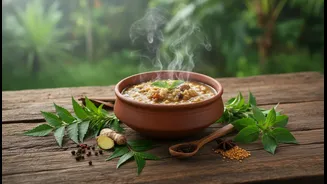
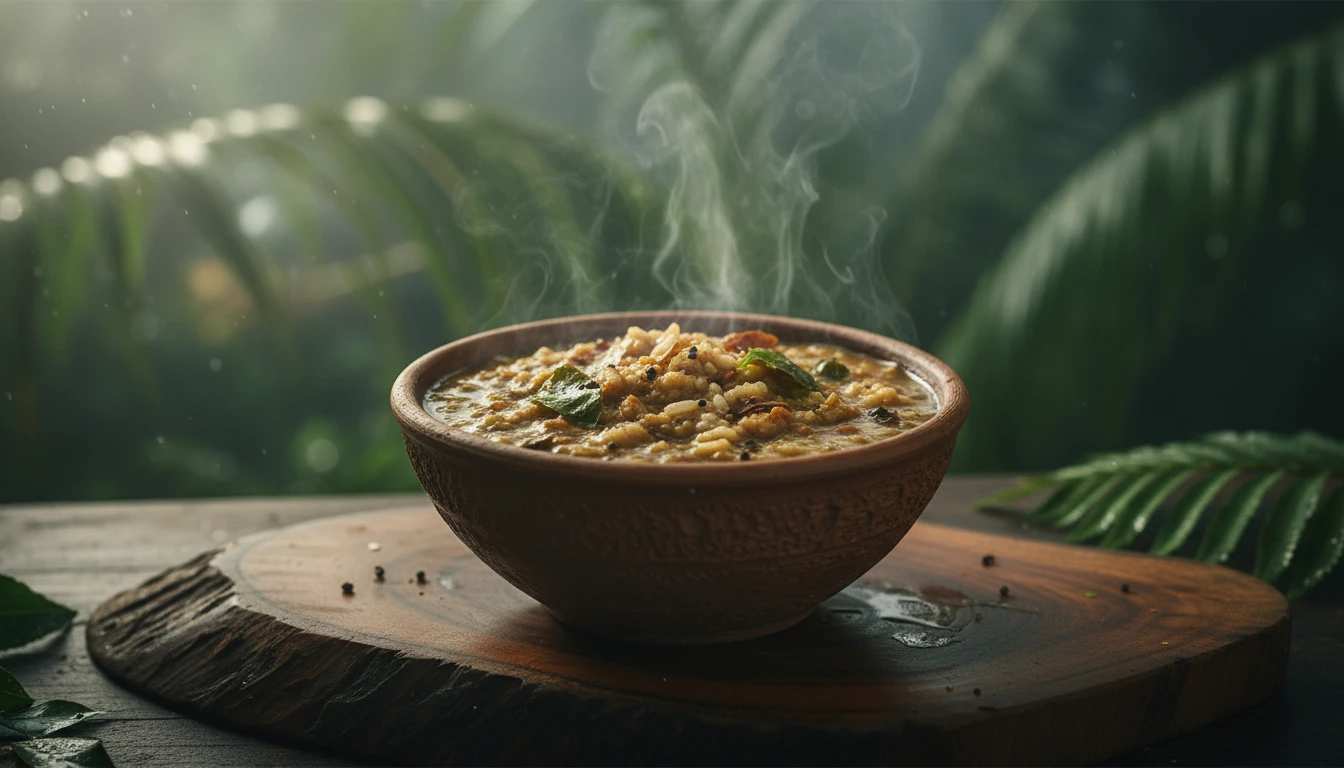
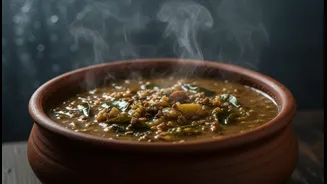
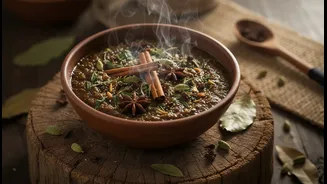
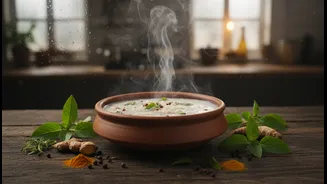
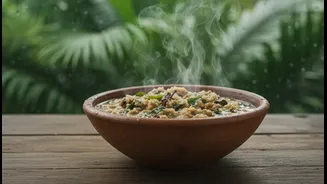
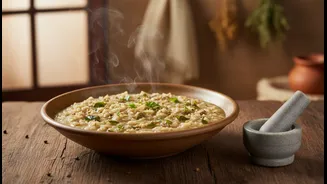
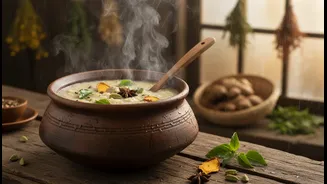
Often called Oushadha Kanji (medicinal porridge), this is far from a simple gruel. The foundation is traditionally Njavara rice, a unique, medicinal variety from Kerala praised for being nourishing and easy to digest. This is cooked with warming spices like dry ginger, cumin, and fenugreek that help stimulate the digestive fire. The 'oushadha' or medicinal component comes from a collection of specific herbs. This often includes Dashapushpam, a group of ten sacred, locally-available herbs that flourish during the monsoon. The entire concoction is typically prepared in a base of coconut milk. The purpose is clear: to provide a light yet deeply nourishing meal that balances the doshas, supports immunity, and helps the body eliminate toxins during this vulnerable season.
The Limit: It Is Not a Miracle Cure
As Karkidaka Kanji gains popularity as a wellness food, it's easy to view it as a standalone 'superfood' or a quick fix. This is the first and most important limit to understand. The porridge is not a magic potion but one component of a holistic lifestyle approach. Its benefits are maximized when consumed as part of the broader Karkidaka Chikitsa, which also includes a lighter overall diet, avoiding heavy and fried foods, and sometimes other Ayurvedic therapies. Traditionally, the kanji is consumed for a set period, usually for seven consecutive days or in multiples of seven, to allow the body to adapt and benefit. Treating it as a one-off meal while maintaining an otherwise unhealthy lifestyle will not yield the profound results the tradition promises.
The Limit: Beware the Instant Mix
In today's fast-paced world, convenience is king, and Karkidaka Kanji has not escaped this trend. Supermarket shelves and online stores are now filled with 'Karkidaka Kanji Kits' or instant mixes. While these kits make the process incredibly easy, home cooks should be discerning. The efficacy of the kanji depends entirely on the quality and freshness of its ingredients, especially the herbs. Commercial kits may vary widely in quality. Some may not use authentic Njavara rice or could contain herbs that are old or improperly sourced. When considering a mix, it is crucial to check the ingredient list and the reputation of the manufacturer. The best version is often the one prepared with fresh, known ingredients, even if it requires more effort.
The Limit: One Size Does Not Fit All
Perhaps the most subtle 'limit' is the belief in a single, universal recipe. While a general formula for Karkidaka Kanji exists for overall wellness, Ayurveda is fundamentally a science of personalization. A qualified Ayurvedic physician would often customize the herbal blend based on a person's specific body constitution (Prakriti) and their current health condition. For instance, the herbs used for someone with arthritis, which is often aggravated by the dampness of the monsoon, might differ from those for someone with digestive issues. While the general home recipe is beneficial for most, it is important to listen to your body. If you have specific health concerns, what you truly need might be a personalized Marunnu (medicine) Kanji, not just a generic Oushadha (medicinal) Kanji.