



The Return to Earthy Tones
There's a collective shift happening in interior design. After years of cool greys and stark whites dominating our spaces, we're seeing a powerful return to warmth. People are seeking to create homes that feel like a gentle embrace—a refuge from the digital
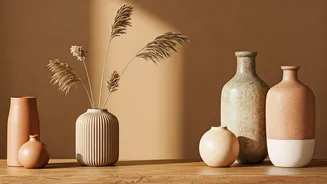
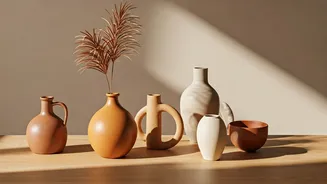
hustle of modern life. This is where earthy palettes come in. Colours and materials inspired by the natural world—think rich soil, sun-baked clay, and deep forests—have a grounding effect on our psyche. Terracotta, with its signature reddish-brown hue, is the undisputed hero of this movement. It’s a colour that feels both ancient and completely contemporary, connecting our living spaces to the very earth beneath our feet. It evokes feelings of comfort, stability, and a timeless connection to craftsmanship that has deep roots in Indian heritage.
From Traditional Pottery to Modern Walls
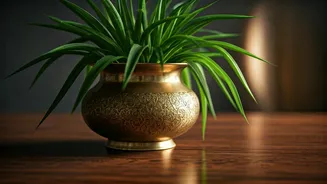
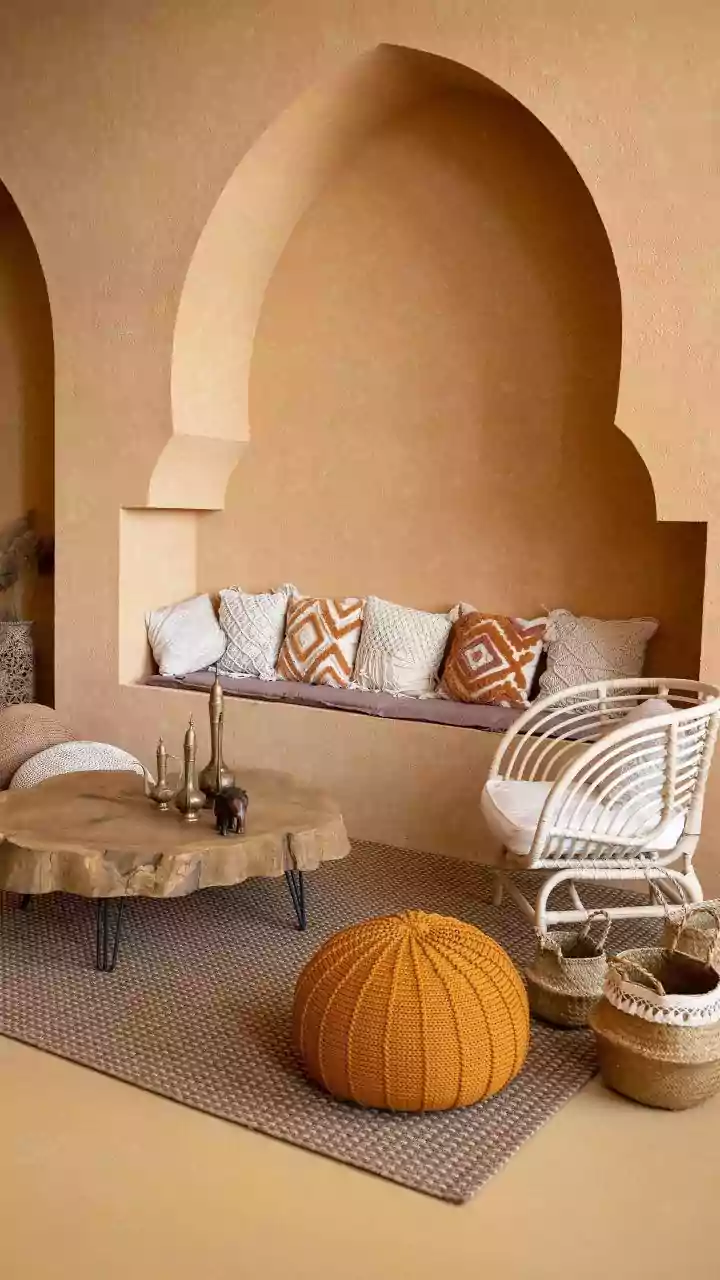
For centuries in India, terracotta (literally "baked earth") has been a fundamental part of life. We see it in the humble kulhad, ornate temple carvings, and the cooling roof tiles of traditional homes. Bringing this material indoors on a larger scale, like a feature wall, is a way to honour this legacy while making a bold, modern statement. The beauty of terracotta is its inherent warmth. Unlike a flat coat of paint, the material has a depth and subtle variation in tone that feels organic and alive. It serves as a stunning backdrop for a variety of decor styles, from bohemian and rustic to minimalist and contemporary. Its earthy tones pair beautifully with lush green plants, natural wood furniture, crisp white linens, and gleaming brass or bronze accents, creating a rich and layered look.
The Power of Texture
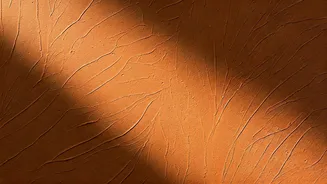
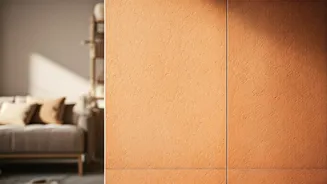
Now, let's talk about the "textured" part of the equation, because this is where the magic truly happens. A flat, painted wall is two-dimensional. A textured terracotta panel, however, is a dynamic surface that plays with light and shadow throughout the day. The grooves, ridges, or patterns carved into the panels add a tactile quality that invites you to touch and feel. This sensory engagement makes a room feel more intimate and curated. Texture adds visual weight and complexity, preventing a monochrome wall from looking boring. It can transform a simple, boxy room into a space with architectural interest and personality, making it feel more expensive and thoughtfully designed without the need for major structural changes.
The Genius of Removable Panels
This is the game-changer, especially for those living in rented accommodations or for homeowners who love to experiment with their decor. Traditional wall treatments like tiling or cladding are permanent, costly, and messy. Removable panels offer a brilliant alternative. These are typically designed for easy, DIY-friendly installation, often using high-strength adhesives or simple interlocking systems that don’t damage the wall underneath. This means you can create a stunning accent wall for a year or two and then switch it up when you're ready for a new look. It’s the perfect solution for creating a focal point in a living room, a dramatic headboard in a bedroom, or adding character to a bland entryway without the long-term commitment.
Styling Your Terracotta Wall
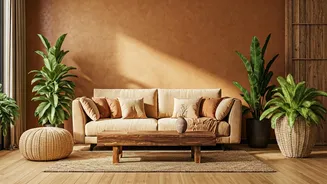
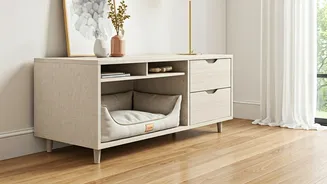
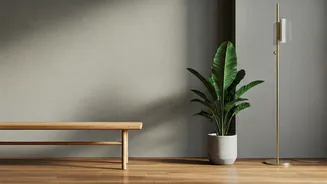
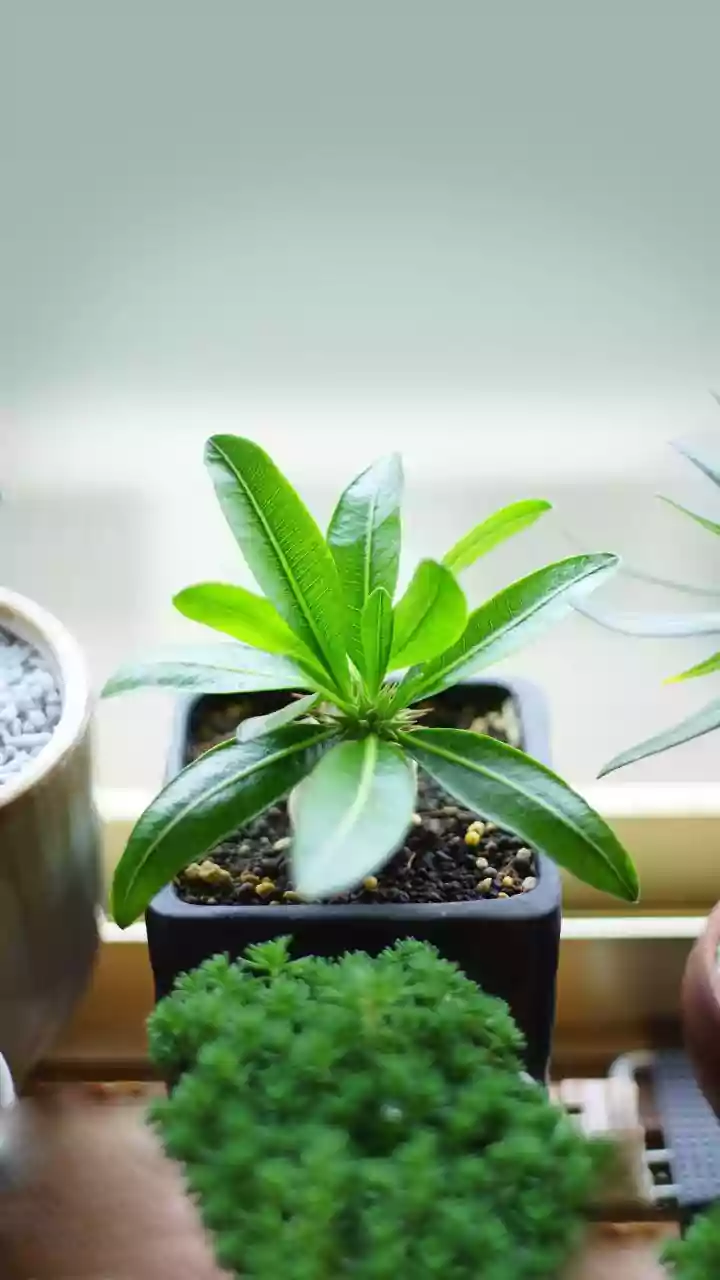
So you've decided to take the plunge. How do you make it work? First, choose your wall wisely. An accent wall behind your sofa or bed is a classic choice that anchors the room. Next, build your colour palette around the terracotta. Complement it with soft neutrals like beige, cream, and oatmeal. Bring in contrast with deep greens from indoor plants like monstera or snake plants. For furniture, natural materials are your best friend. Think a wooden media console, a jute rug, or a rattan armchair. Finally, accessorise with intention. Soft, flowing cotton or linen curtains, cushions with simple patterns, and a few well-chosen metallic pieces (a brass lamp or a bronze vase) will complete the look, tying everything together into a cozy, sophisticated, and earthy haven.