








The New Engines of Growth
The personal care and beauty industry in India is undergoing a seismic shift. While Mumbai and Delhi were once the undisputed epicentres of demand, the new frontiers of growth are now cities like Jaipur, Lucknow, Surat, and Coimbatore. These Tier-2 and Tier-3
cities are no longer waiting for trends to trickle down; they are actively shaping them. This boom is powered by a potent combination of rising disposable incomes, increased consumer awareness, and a growing middle class with a strong desire for lifestyle upgrades. It’s not just about basic needs anymore; it's about aspirational purchases that were once considered the exclusive domain of metro dwellers. This shift is so significant that non-metro markets are expected to account for a massive share of the industry's future growth.
Digital Access Unlocks Aspirations
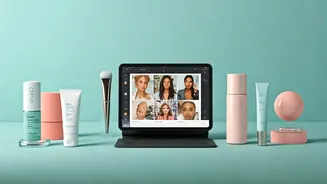
The single biggest catalyst for this transformation is the digital revolution. E-commerce platforms and social media have completely democratised access to products and trends. A consumer in Gorakhpur or Kottayam can now discover and purchase the same premium serum or international fragrance as someone in Bengaluru, often with just a few taps. Platforms like Nykaa, Flipkart, and Amazon have become virtual marketplaces, bridging the gap between global brands and local consumers. In fact, online beauty sales have seen explosive growth, far outpacing physical stores. This digital pipeline works both ways; social media influencers and user reviews have become the new arbiters of taste, giving consumers in smaller cities the confidence to experiment and spend.
Meet the New Aspirational Consumer
The consumer in small-city India is savvy, informed, and aspirational. This is a young, digitally-native demographic, primarily Gen Z and Millennials, who see personal care as an integral part of their daily life and self-expression. They are not necessarily bargain hunters; their spending on beauty products is often on par with their metro counterparts. This new consumer is looking for quality, efficacy, and authenticity. They read ingredient labels, follow beauty creators for recommendations, and are willing to pay a premium for products that deliver results. This has led to the 'premiumisation' of the market, where even consumers at lower price points are seeking better quality products.
How Brands Are Responding
This evolving landscape has created a massive opportunity for a new wave of Direct-to-Consumer (D2C) brands. Companies like Sugar Cosmetics, Mamaearth, and Plum have built entire empires by catering to the specific needs and preferences of the Indian consumer, often finding their most loyal customers in Tier-2 and Tier-3 cities. These digital-first brands leverage social media for marketing and e-commerce for distribution, allowing them to scale rapidly without the need for a massive physical retail footprint. Legacy brands are also taking note, adapting their strategies by expanding their distribution networks, investing in digital marketing, and even launching products specifically for these emerging markets. The success of men's grooming, which has seen standout growth, further shows how the definition of personal care is broadening across all regions.