





The Superfood You Already Know
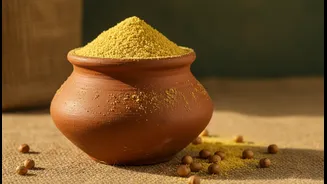
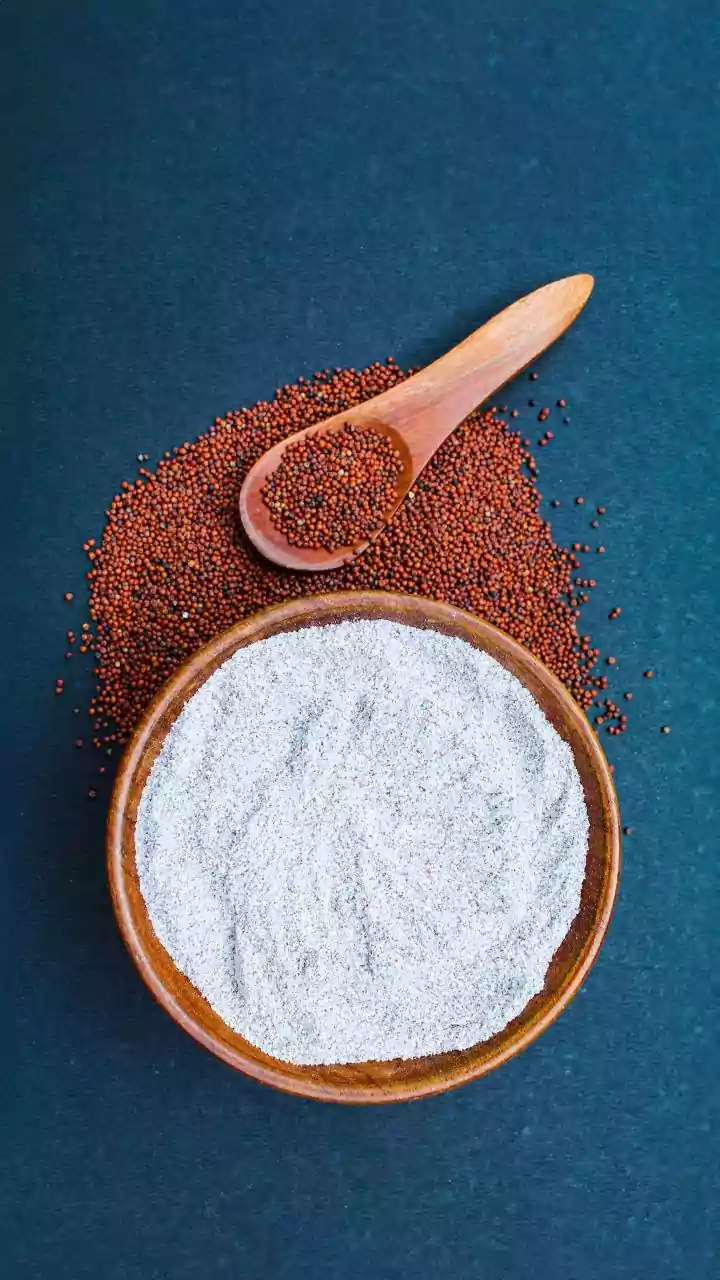
Before it was a trending topic, sattu was a staple. Made from roasted Bengal gram (chana), and sometimes barley, it's a flour with a distinctly nutty and earthy flavour. For generations, especially in states like Bihar, Jharkhand, and Uttar Pradesh, it has
been the go-to source of nutrition for farmers and labourers. Often called the “poor man’s protein,” its power lies in its simplicity and accessibility. It requires no cooking and has a long shelf life, making it a practical source of instant energy that has nourished people for centuries.
A Nutritional Powerhouse
So, why the sudden surge in popularity? The answer lies in its impressive nutritional profile. Sattu is packed with high-quality plant-based protein, with some sources stating around 20 grams per 100g. It's also incredibly rich in dietary fibre, which is excellent for digestive health, helping to prevent issues like bloating and constipation. This combination of protein and fibre keeps you feeling full and satisfied for hours, aiding in weight management by reducing unnecessary snacking. Furthermore, it has a low glycaemic index, meaning it releases energy slowly, preventing the sugar spikes and crashes associated with many other drinks.
India's Original Summer Cooler
One of sattu's most celebrated benefits is its natural cooling effect on the body. In Ayurveda, it's known to help balance the pitta dosha, which is associated with heat. During scorching summer months, a glass of sattu sharbat does more than just quench thirst; it helps regulate body temperature from within and replenishes essential electrolytes like potassium and magnesium that are lost through sweat. This makes it a far superior choice for hydration compared to sugary sodas and juices that can often lead to further dehydration.
The Modern Makeover
Sattu is making a comeback as people search for clean, natural, and sustainable health solutions. Fitness enthusiasts are embracing it as a natural alternative to processed whey protein powders, which can be filled with additives. As a plant-based food, it fits perfectly into vegan and vegetarian diets. Its versatility is another major draw. While the traditional sharbat is still the most common way to consume it, sattu is now appearing in everything from protein ladoos and parathas to energy bars and smoothies, proving it's more than just a drink.
Your Guide to the Perfect Glass
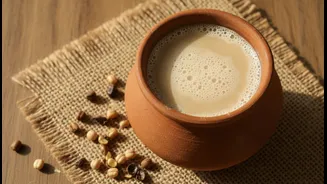
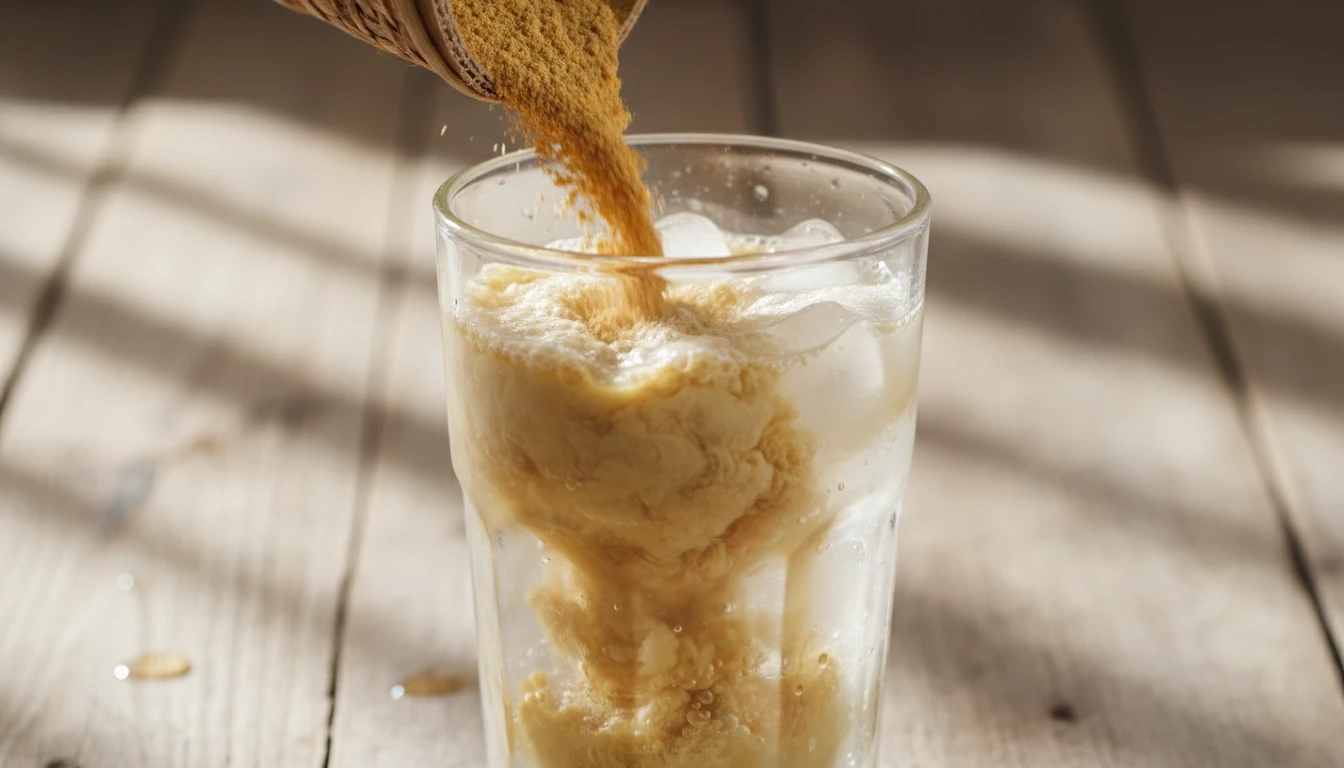
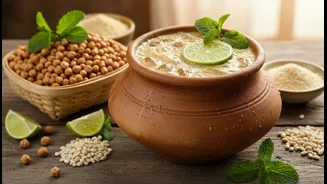
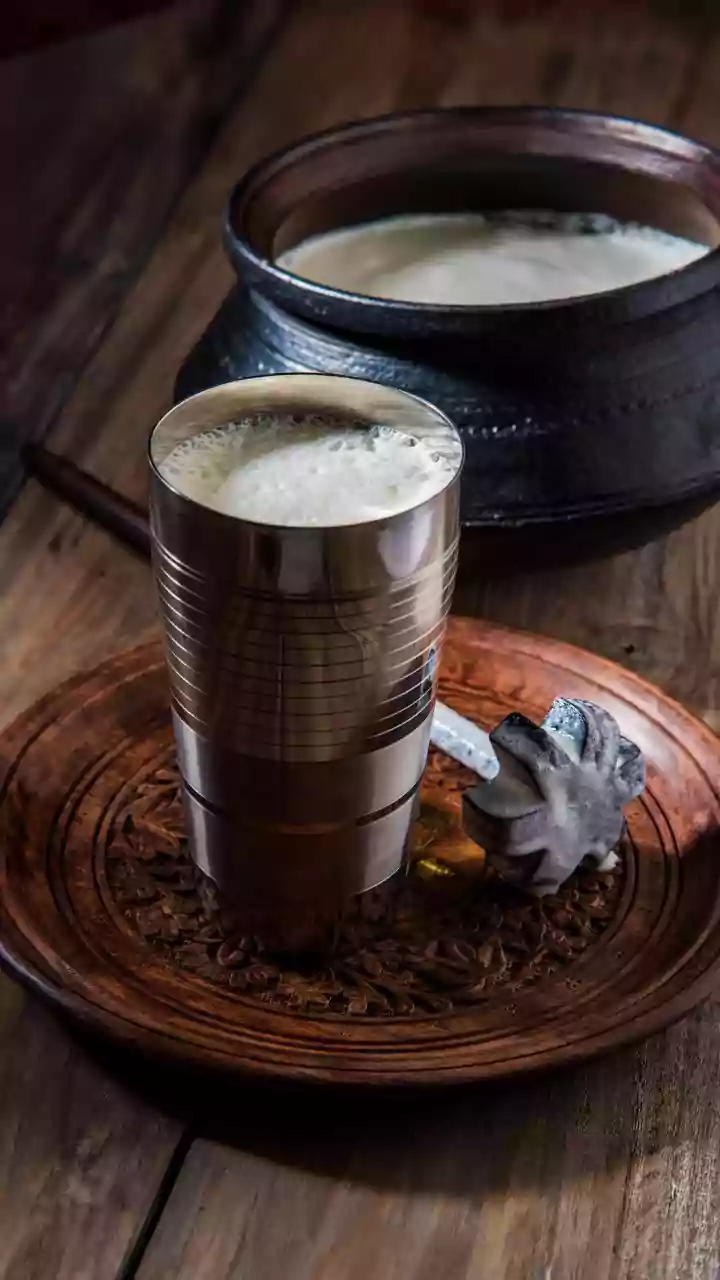
Making your own sattu drink is incredibly simple. There are two popular versions: sweet (meetha) and savoury (namkeen). For the savoury version, mix two to three tablespoons of sattu flour in a glass of chilled water. Add black salt, roasted cumin powder (bhuna jeera), and a squeeze of lemon juice to taste. For a little extra texture and flavour, you can also add finely chopped onion, mint, and green chilli. For the sweet version, simply mix the sattu flour with cold water or milk and sweeten it with jaggery or sugar. Whisk everything together until smooth, ensuring there are no lumps, and enjoy immediately.