



The Sweet Allure of Cocoa Skincare
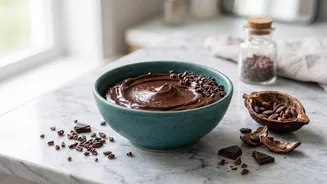
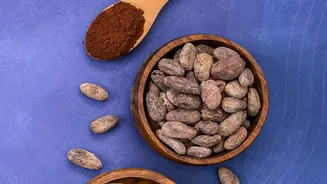
The trend of using chocolate or raw cocoa powder in face masks stems from a simple, appealing idea: natural ingredients are better for you. Proponents claim that cocoa is a superfood for the skin. It's packed with antioxidants like flavonoids and polyphenols,
which are known to fight free radical damage. The promised benefits include everything from reduced inflammation and increased hydration to a brighter, more youthful complexion. Some studies even suggest that the compounds in dark chocolate can help protect skin from UV damage and improve blood flow when ingested. With a list of potential perks like that, it's easy to see why raiding the baking aisle for a beauty treatment is so tempting. The logic seems sound—if it's healthy to eat, it must be healthy to apply.
The Truth Behind Topical Application
While it's true that cocoa possesses beneficial properties, there's a significant difference between eating antioxidants and slathering them on your face. When you eat dark chocolate, your body digests and distributes its nutrients systemically. The evidence for topical benefits is more complex. Studies confirm that cocoa extracts can deliver antioxidants to the skin. These powerful compounds, like flavonoids, can help neutralize environmental damage and may soothe inflammation. However, a DIY mask is not the same as a professionally formulated cosmetic product. Dermatologists note that the particle size in food-grade cocoa powder may be too large to penetrate the skin effectively. Furthermore, the concentration of active ingredients in a kitchen concoction is inconsistent, making any potential benefits unreliable.
The Unseen Risks of Kitchen Chemistry
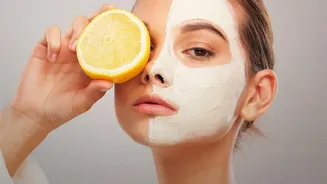
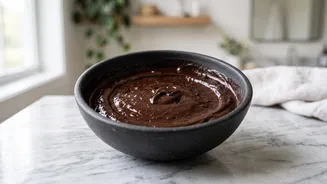
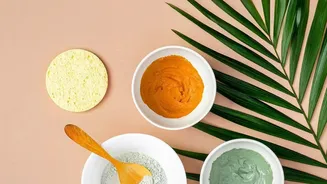
This is where the 'cautious look' becomes crucial. Just because an ingredient is natural doesn't make it universally safe for skin. DIY chocolate masks often include other kitchen staples like milk, honey, lemon juice, or yogurt. These can introduce their own problems. Lemon juice, for instance, is highly acidic and can disrupt your skin’s protective barrier, causing irritation or even chemical burns when exposed to sunlight. Cocoa butter itself is known to be comedogenic, meaning it has a high likelihood of clogging pores, which can be a disaster for acne-prone skin. Perhaps the biggest risk is the lack of preservatives. A wet, food-based mixture is a perfect breeding ground for bacteria, which you would then be applying directly to your face, potentially leading to infections or breakouts.
What Dermatologists Really Think
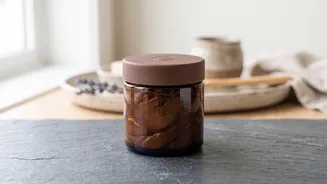
Most skin experts advise caution when it comes to DIY skincare. The primary concerns are the lack of safety, stability, and controlled formulation. A dermatologist can't predict how your skin will react to a random recipe found online because the variables are endless—the freshness of the ingredients, their exact measurements, and your unique skin sensitivities. Professionals point out that cosmetic-grade ingredients are purified, tested for allergens, and formulated in sterile environments to be effective and safe for topical use. A product in a jar from a reputable brand containing cocoa extract is a world away from a bowl of mixed-up baking powder and yogurt. The consensus is clear: DIY treatments can lead to irritation, allergic reactions, and longterm damage that is difficult to reverse.
Smarter Ways to Get That Glow
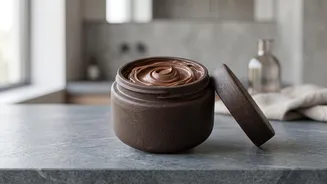
If you're still intrigued by the benefits of cocoa, there are much safer ways to incorporate it into your routine. Instead of experimenting with food from your pantry, look for professionally formulated skincare products. Many brands offer serums, moisturisers, and masks that contain standardized, skinsafe cocoa extracts or cocoa butter. These products are designed to deliver the antioxidant benefits without the risks of poreclogging or bacterial contamination. And don't forget the most proven method: enjoying a small piece of highquality dark chocolate (70% cacao or higher). Eating it allows your body to effectively use its powerful flavonoids to support skin health from the inside out, improving hydration and circulation without the mess or the risk.