


The Unseen Magic in Our Kitchens
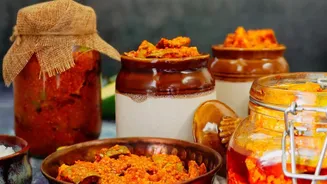
For centuries, fermentation has been a quiet, background process in Indian homes—a batter left to rise overnight, pickles maturing in sunlit jars, or curd setting in a warm corner. It was a technique born of necessity, used to preserve food, enhance flavour,
and create unique textures. But this age-old practice is, at its core, a scientific marvel. Fermentation is a natural metabolic process where microorganisms like beneficial bacteria and yeast break down carbohydrates and starches into simpler compounds, such as lactic acid. This not only preserves the food but also transforms it, making it more nutritious and easier to digest.
A Culinary Map of Fermented India
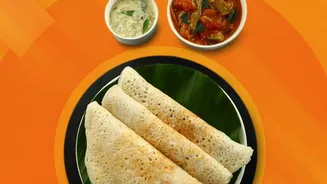
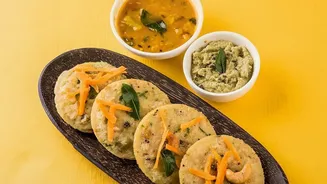
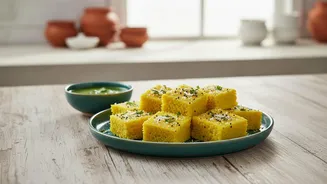
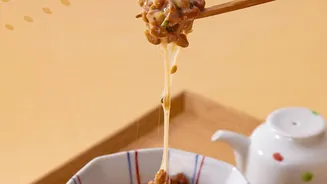
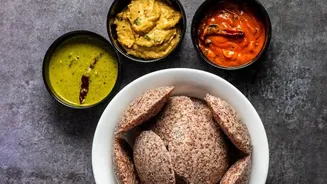
India’s diverse geography and culture have given rise to a vast spectrum of fermented foods. In the south, rice and urad dal batter is fermented to create the iconic idli, dosa, and appam. In Gujarat, it’s the gram flour batter for dhokla. North India has the tangy, probiotic drink kanji, made from black carrots and mustard seeds, while the Northeast boasts fermented bamboo shoots (khorisa) and soybean dishes like hawaijar. And of course, there is dahi (yogurt), the ubiquitous fermented staple found in nearly every Indian household, used in everything from raita to lassi. Even sweets like jalebi are made from a fermented batter.
Old Wisdom Meets Modern Science
The “fresh attention” on these foods stems from the global wellness trend focused on gut health. Scientists now understand that a healthy gut microbiome—the community of trillions of microbes in our digestive system—is crucial for overall well-being, affecting everything from digestion and immunity to mood. Fermented foods are natural sources of probiotics, the beneficial bacteria that help balance this internal ecosystem. This new scientific validation is reframing our perception. What was once just 'grandma's recipe' is now recognized as a sophisticated, scientifically-backed method for delivering probiotics and improving health.
More Than Just Probiotics
The benefits of fermentation go beyond adding good bacteria to your gut. The process also acts as a form of pre-digestion, breaking down complex proteins and carbohydrates, which makes foods like idli and dosa remarkably easy on the stomach. Crucially, fermentation increases the bioavailability of nutrients. It neutralizes 'anti-nutrients' like phytic acid found in grains and legumes, unlocking minerals like iron, zinc, and calcium for better absorption by the body. It also boosts the levels of essential B vitamins. This process turns a simple meal into what some researchers call 'naturally fortified functional nutrients'.
The Fermentation Revival
This renewed understanding has sparked a revival. In fine-dining restaurants across India, chefs are now proudly showcasing fermentation, moving it from a background process to a headline act. Chefs like Vanika Choudhary of Mumbai's Noon are exploring indigenous ingredients and creating over 150 different ferments, from sweet corn miso to millet ferments, celebrating India's culinary heritage. This movement is not about inventing something new, but about re-discovering and celebrating the deep-rooted wisdom within our own food traditions. It connects the nostalgia of home-cooked meals with the modern pursuit of a healthy, balanced lifestyle.