





That belt hanging in your wardrobe does more than just hold up your trousers. It is a powerful styling tool that, with a few simple placement adjustments, can completely transform the silhouette and finish of your most-worn clothes.
The Classic: At Your Natural Waist
The most universally
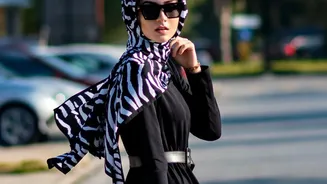
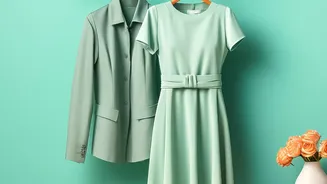
flattering spot to place a belt is at your natural waist—the narrowest part of your torso, usually just above your navel. Cinching a belt here creates a classic hourglass shape that works on nearly every body type. This placement is a foolproof way to give definition to a shapeless or oversized dress, a loose-fitting sweater, or a standard shirt dress. By drawing the eye to your narrowest point, it adds structure and intention, making an outfit feel instantly more polished and put-together. For a modern touch, blouse the fabric slightly over the belt to create a relaxed yet defined silhouette.
The High-Rise: An Empire Waist Effect
For an effect that elongates your lower body, try placing a belt just under the bustline. This creates an empire waist, a graceful look that can make your legs appear significantly longer. This high placement works especially well with flowing maxi dresses or blouses, lending them a more statuesque and elegant line. It’s a fantastic trick for petite figures looking to play with proportions, but it can be adopted by anyone wanting to shift the focus upwards and create a different kind of silhouette from the same dress.
The Low-Slung: Relaxed on the Hips
Wearing a belt slung low around the hips offers a more casual, bohemian feel. This placement works best with longer tops, tunics, or straight-cut dresses where you want to add a point of interest without cinching the waist tightly. A low-slung belt suggests a relaxed attitude and can break up the line of a long garment. However, be mindful of proportions; this placement can visually shorten the legs, so it's most effective when you're aiming for an elongated, laid-back torso.
The Outer Layer: Over a Blazer or Cardigan
Don’t just think about the clothes underneath; belting your outerwear is a game-changer. Placing a belt over an unstructured blazer, a long cardigan, or even a lightweight coat can add shape to what might otherwise be a boxy or bulky look. This technique is less about pulling tightly and more about creating a visual line that gives your layered outfit structure and polish. It works especially well with open outerwear, pulling the whole look together and preventing you from getting lost inside your layers.
The Modern Cinch: On an Oversized Shirt
An oversized shirt can easily go from chic to shapeless, but a belt is the perfect solution. Cinching a wide or statement belt over a large button-down or tunic provides instant definition, balancing the shirt's volume with your natural shape. This prevents the fabric from overwhelming your frame and creates a more intentional, fashion-forward silhouette. You can wear the shirt as a dress or over trousers; either way, the belt turns a comfortable basic into a structured statement.
Matching Width to Fabric
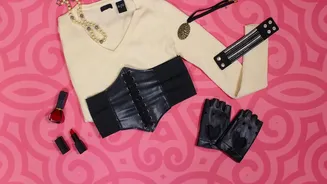
The placement of a belt is key, but so is its width. As a general rule, match the belt's weight to the garment's fabric. Thin, delicate belts are ideal for lightweight materials like silk or fine knits, as they define the waist without overwhelming the fabric. Wider, more substantial belts are better suited for heavier items like chunky sweaters, coats, and denim, where a skinny belt would get lost. A wide belt can provide the structure needed for a sweater dress or a heavy blazer, creating a balanced and proportionate look.