






Karnataka's Premier Parks Reopen
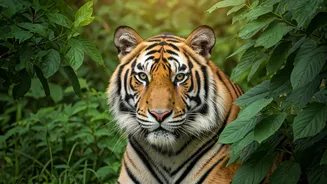
Effective late June 2026, both Bandipur and Nagarahole Tiger Reserves are once again offering full jungle safari operations. This marks a significant moment for tourism in the state, as wildlife enthusiasts can now fully access the park excursions that
have been operating at a limited capacity. The decision, confirmed by the Chief Minister's office, allows for a return to the regular number of safari vehicles and operating hours, promising a more comprehensive experience for visitors hoping to catch a glimpse of the region's rich biodiversity, including its famous tigers and elephants. The reopening follows a detailed assessment by experts, ensuring that the return to full capacity is both safe for visitors and sustainable for the forest ecosystem.
The Story Behind the Hiatus
The return to normal operations is particularly welcome because these parks were not closed for routine reasons. Access was first suspended back in November 2025 following a series of tragic human-wildlife conflict incidents near the forests' borders, which included fatal tiger attacks. In the interest of public safety and to manage the situation, authorities halted all safari activities. In February 2026, operations were partially resumed, but with significant restrictions; the number of safari vehicles was halved and operating hours were reduced. The recent decision to lift all restrictions comes after a seven-month period of careful management and intervention, including the capture of several tigers to mitigate conflict.
A Science-Based Return
The government's decision to fully reopen was not made lightly. It was based on the findings of a technical committee composed of experts and officials who scientifically assessed the 'effective carrying capacity' of the reserves. This study determined the number of visitors and vehicles the parks could sustainably accommodate without disturbing the wildlife or compromising the ecological balance. By accepting the committee's report, the state has committed to a regulated framework for tourism. This ensures that while tourism provides local employment and boosts the economy, it does so in a manner that prioritises conservation and the long-term health of the forests and their inhabitants.
A Note for Nationwide Travelers
While Karnataka's parks are reopening, it's crucial for travelers to understand this is an exception to the national trend right now. Most other major tiger reserves across India are doing the opposite. From July 1, parks such as Ranthambore and Sariska in Rajasthan, and Pench and Satpura in Madhya Pradesh, are closing their core tourism zones for the annual monsoon season. This is a standard procedure mandated by the National Tiger Conservation Authority. Similarly, Amrabad Tiger Reserve in Telangana will also be closed from July 1. These parks typically remain shut to tourists for approximately three months.
Why the Monsoon Break is Essential
The annual monsoon closure is not an inconvenience but a vital part of the conservation cycle. The period from July to September is the primary breeding season for tigers and many other species. Closing the parks reduces human disturbance, allowing animals to breed and raise their young in peace. Furthermore, the heavy monsoon rains make the unpaved safari tracks inside the forests slippery, dangerous, and often impassable. The break gives the forest time to regenerate, allowing dense vegetation to grow back, which strengthens the entire ecosystem. While some buffer zones may remain open for limited tourism, the core wildlife-sighting areas will be inaccessible until the parks officially reopen, usually around October.